Tiny Desert Flower Gets ESA Protection Push After 12 Years
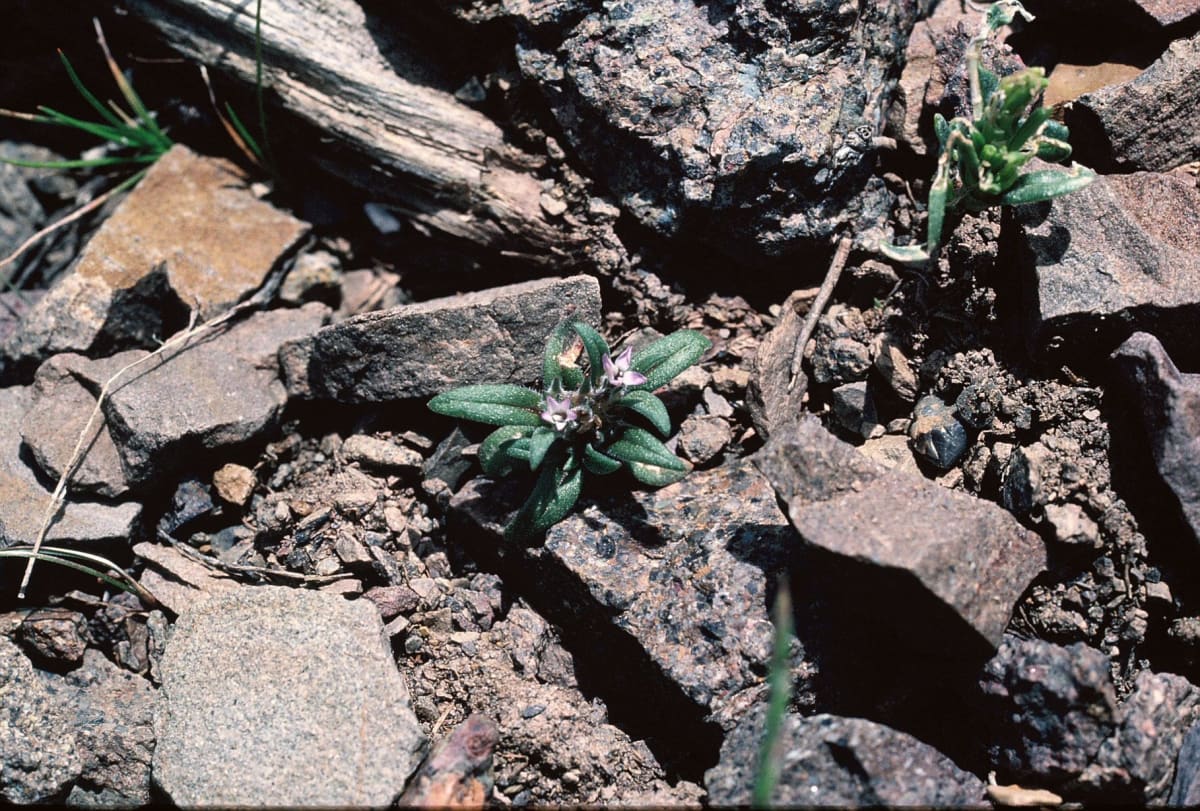
A rare desert flower unseen for over a decade is getting a second chance through new federal protection efforts. The Barren Valley collomia, a tough little plant that thrives where others can't, could become the next endangered species success story.
A delicate blue-white flower that hasn't been photographed in over 40 years might soon get the protection it needs to survive and thrive again.
The Center for Biological Diversity petitioned the U.S. Fish and Wildlife Service in March 2026 to protect the Barren Valley collomia under the Endangered Species Act. This small annual plant, known from just a handful of sites in southeastern Oregon and northeastern Nevada, hasn't been spotted since 2014 in Oregon and 2008 in Nevada.
But here's the hopeful part: botanists believe it's still out there. The plant is so tiny that it's easy to miss, and experts are confident that more targeted surveys will find surviving populations.
"This precious little plant needs the protections only the Endangered Species Act can provide to have any chance at survival," said Gwendolyn McManus, an associate scientist at the Center. The flower grows in rocky outcrops amid sagebrush and juniper, surviving in harsh conditions that would kill most plants.
The Barren Valley collomia faces threats from livestock grazing, invasive grasses, wildfire, and climate change. Nevada's two known populations also sit close to highways, adding pollution stress to an already struggling species.
The Bright Side
The Endangered Species Act has proven remarkably effective at pulling species back from extinction's edge. A stunning 99% of protected species still survive today, and hundreds are actively recovering.
The law protects everyone from iconic bald eagles to tiny flowers most people will never see. It's a reminder that every species plays a role in keeping our ecosystems healthy and balanced.
Nevada and Oregon botanists are now planning more surveys to locate existing populations. Once found and protected, these resilient little plants could bounce back in their native Great Basin habitat.
With the right protections in place, this tough desert survivor could become another ESA success story.
Based on reporting by Google: species saved endangered
This story was written by BrightWire based on verified news reports.
Spread the positivity!
Share this good news with someone who needs it