Tiny Dinosaur Fossil Rewrites 150 Million Years of History
A complete skeleton of a tiny dinosaur from Argentina is overturning everything scientists thought they knew about how these mysterious creatures evolved and spread across ancient Earth. The discovery reveals these ant-eating dinosaurs didn't shrink over time but stayed small for millions of years across multiple continents.
Scientists in Argentina just found a complete skeleton that's rewriting the story of one of evolution's most puzzling dinosaur groups.
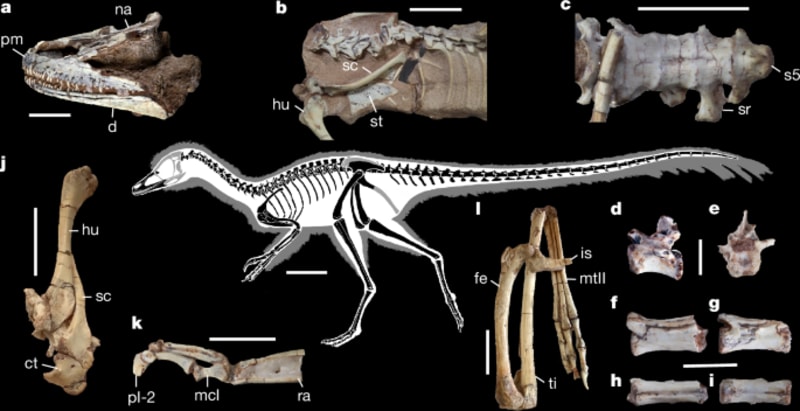
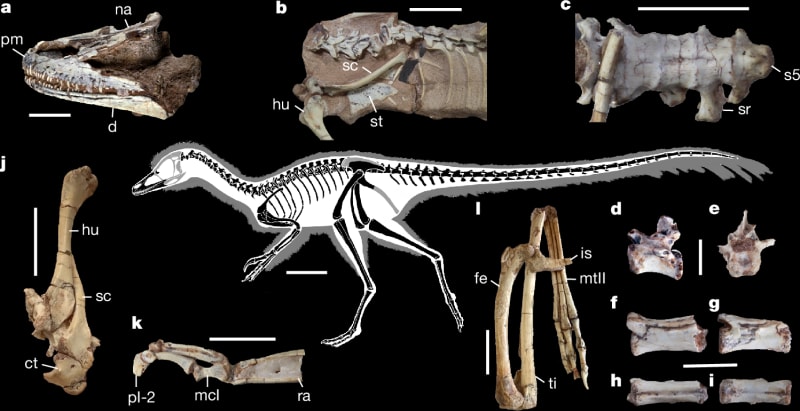
The fossil belongs to Alnashetri cerropoliciensis, a tiny dinosaur no bigger than a house cat that lived 95 million years ago. What makes this discovery groundbreaking isn't just that it's the most complete South American specimen ever found, but what it reveals about how these strange creatures evolved.
Alvarezsauroids were bizarre dinosaurs built like nature's excavators. They had powerful digging arms, tiny extra teeth, and heightened senses that helped them hunt ants and termites like modern anteaters do today.
For decades, scientists believed these dinosaurs started large and gradually shrank as they specialized in eating insects. The theory made sense because the oldest known fossils seemed bigger than the younger ones.
But Alnashetri changes everything. Despite being one of the earliest members of its family, it's also one of the smallest, suggesting these dinosaurs didn't miniaturize over time.
Instead, the new research shows they evolved to stay within a narrow size range repeatedly across millions of years. Think of it like nature finding the perfect body plan for an ant-eating lifestyle and sticking with it.
The fossil also solves a geographical mystery. Scientists used to think these dinosaurs originated in one place and then migrated to distant continents, which seemed unlikely given how far apart their fossils were found.
Why This Inspires
The complete Alnashetri skeleton revealed something remarkable about ancient Earth. These dinosaurs actually lived across the supercontinent Pangaea before it broke apart, meaning their scattered fossils today are pieces of a once-connected world.
This discovery shows that even after 150 years of studying dinosaurs, we're still uncovering fundamental truths about life on Earth. The research team also identified two previously misunderstood Northern Hemisphere fossils as alvarezsauroids, expanding our understanding of where these creatures thrived.
What seemed like isolated populations on opposite sides of the planet were actually neighbors whose descendants got separated as continents drifted apart. Evolution didn't drive them to shrink but instead kept them perfectly sized for their ecological niche across vast spans of time and space.
This tiny fossil is proof that patience and careful study can overturn decades of assumptions, reminding us there are still incredible discoveries waiting in museum collections and desert rocks.
More Images
Based on reporting by Google News - Science
This story was written by BrightWire based on verified news reports.
Spread the positivity!
Share this good news with someone who needs it