Tiny Fossil Discovery Reveals Earliest Primate Ancestors
Scientists discovered minuscule fossils of humanity's earliest-known primate relative in Colorado, filling a crucial gap in our evolutionary story. The breakthrough shows these tiny, tree-dwelling ancestors spread across North America right after dinosaurs vanished 66 million years ago.
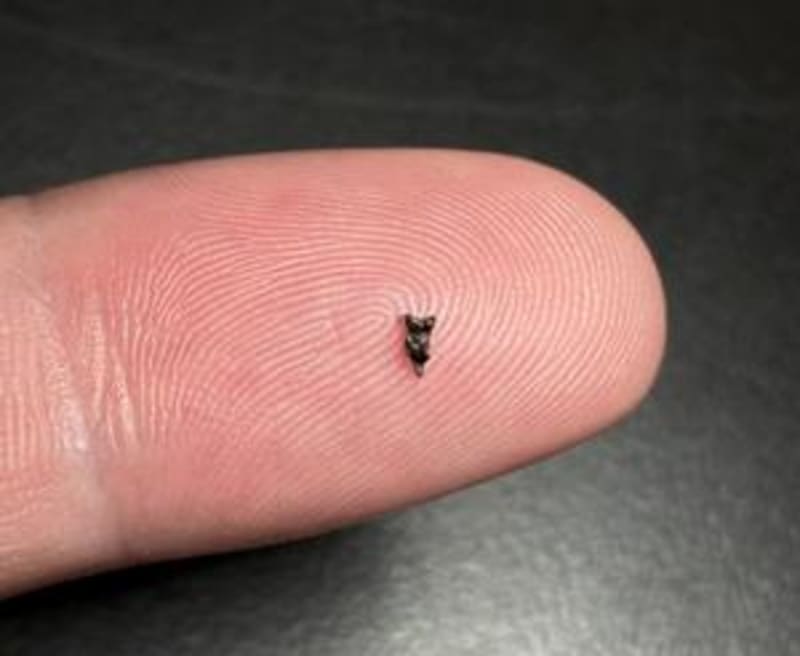
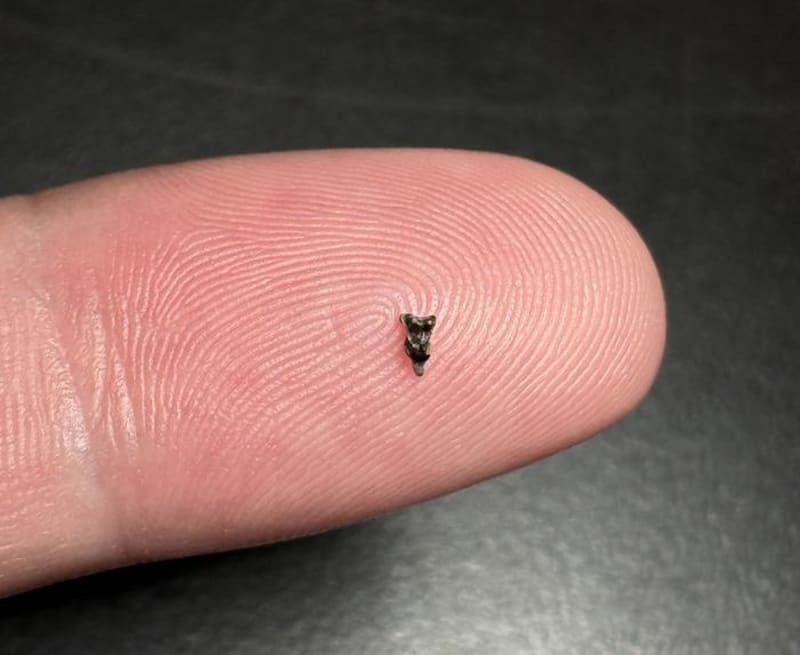
A fossil smaller than your pinky fingernail just rewrote part of our family tree.
Paleontologists have unearthed fossils of Purgatorius, the oldest known relative of all primates including humans, in Colorado's Denver Basin. This marks the most southern discovery of these ancient ancestors ever found, solving a geographic puzzle that has stumped scientists for decades.
Purgatorius was a shrew-sized mammal that appeared immediately after the asteroid wiped out the dinosaurs 65.9 million years ago. Until now, scientists had only found these creatures in Montana and southwestern Canada, leaving a mysterious two-million-year gap before their relatives appeared farther south.
Dr. Stephen Chester from Brooklyn College led the groundbreaking study published in the Journal of Vertebrate Paleontology. "The discovery helps fill the gap in understanding the geography and evolution of our earliest primate relatives," he explains.
The team initially thought Purgatorius might have been absent from southern regions due to forest devastation from the asteroid impact. However, plants recovered quickly across North America, suggesting the tiny primates should have spread too.
The breakthrough came through painstaking work funded by a nearly $3 million National Science Foundation grant. Students and volunteers spent countless hours carefully screen-washing sediments at Corral Bluffs, searching for fossils invisible to the naked eye during traditional surface collecting.
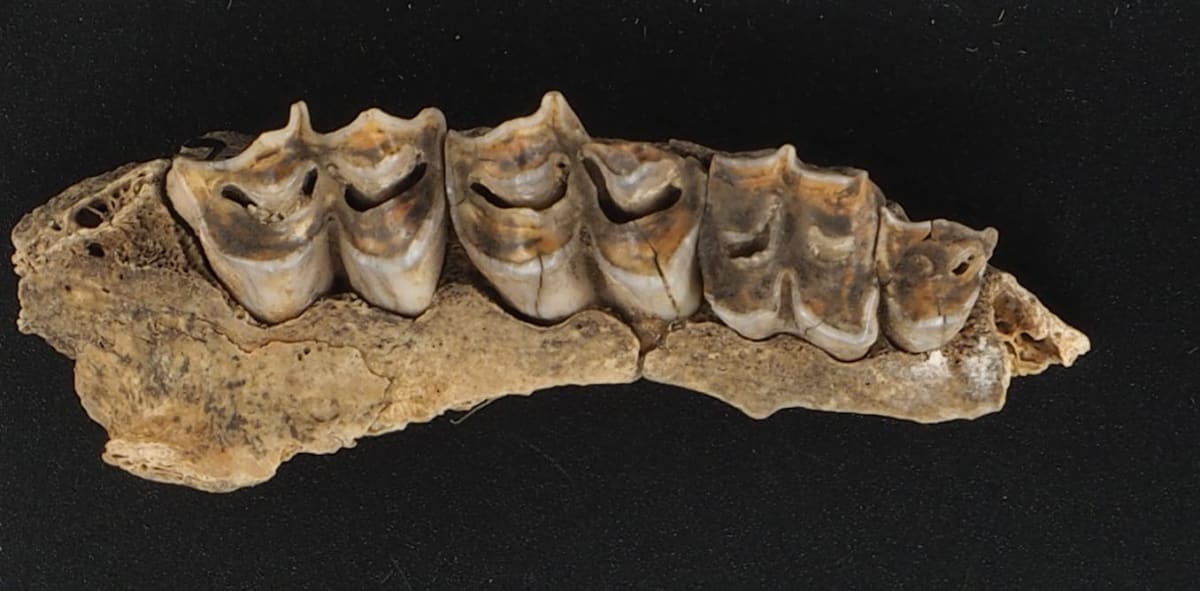
Their patience paid off when they discovered several tiny Purgatorius teeth that would fit on a baby's fingertip. The teeth show unique features that might even represent an entirely new species, though scientists need more specimens to confirm.
The Ripple Effect
This discovery reveals that small fossils have been hiding in plain sight for 150 years of paleontological research. The intensive screen-washing technique is now opening doors to understanding how life rebounded after Earth's worst extinction event.
Dr. Tyler Lyson from the Denver Museum of Nature & Science emphasizes the collaborative achievement. Thanks to partnership with Colorado Springs and dedicated volunteers, scientists are building datasets that illuminate how our earliest ancestors survived and thrived after catastrophe.
The fossils confirm that archaic primates originated in the north and spread southward, diversifying rapidly in the aftermath of disaster. Ankle bones show Purgatorius lived in trees, adapting to the recovering forests that blanketed post-apocalyptic North America.
With more intensive searching using modern techniques, scientists expect to uncover many more tiny treasures that connect us to our ancient past. Every microscopic tooth brings our understanding of human origins into sharper focus, one careful brushstroke at a time.
More Images
Based on reporting by Google: fossil discovery
This story was written by BrightWire based on verified news reports.
Spread the positivity!
Share this good news with someone who needs it