Tiny Fruit Flies Lead to Breakthrough Hope for Children with Rare Cancer
University of Wisconsin-Madison scientists are making exciting progress toward treating a previously incurable childhood cancer, thanks to an unexpected ally: the humble fruit fly. This innovative research demonstrates how nature's smallest creatures can help solve medicine's biggest challenges.
In a heartwarming example of scientific innovation meeting determination, researchers at the University of Wisconsin-Madison are opening new doors of hope for families affected by a rare and aggressive childhood cancer. Their secret weapon? The common fruit fly.
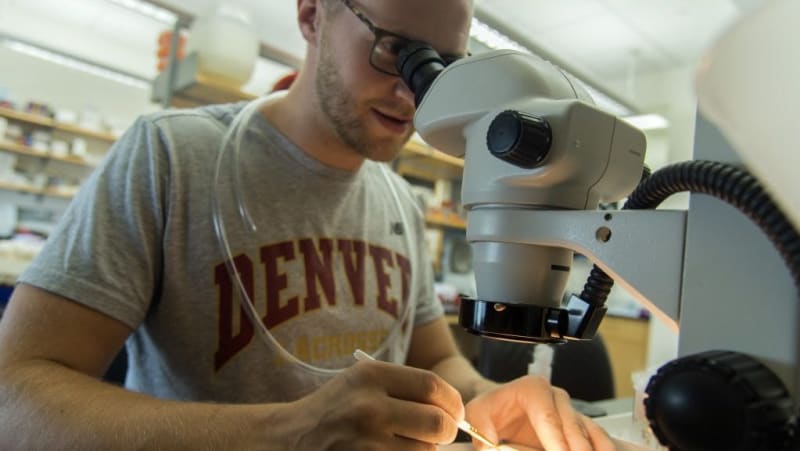
Professors Melissa Harrison and Peter Lewis have been working tirelessly in their laboratory, where thousands of tiny fruit flies are helping unlock mysteries that could save young lives. While these insects might be considered kitchen nuisances in most homes, in the hands of these dedicated scientists, they've become invaluable partners in the fight against cancer.
The research team chose fruit flies for a fascinating reason that speaks to the interconnectedness of all living things: these tiny creatures share an remarkable two-thirds of cancer-causing genes with humans. This genetic overlap makes them perfect, fast-reproducing subjects for studying how diseases develop and, more importantly, how they might be stopped.
The professors focused their attention on understanding how cellular pathways become disrupted by a cancer-causing mutant protein. By observing these processes in fruit flies, they can test potential treatments much more quickly and ethically than would be possible with other research methods. Each generation of fruit flies reproduces rapidly, allowing researchers to observe multiple generations and gather crucial data in a fraction of the time traditional research might require.
What makes this discovery particularly meaningful is its target: a form of childhood cancer that has, until now, been considered incurable. For families who have heard those devastating words, this research represents something precious—hope. The potential treatment identified through this fruit fly research could offer new possibilities where none existed before.
This breakthrough also showcases the remarkable creativity and resourcefulness of modern medical research. By thinking outside traditional boundaries and finding innovative approaches, scientists like Harrison and Lewis are proving that answers can come from the most unexpected places. Who would have imagined that the same insects hovering around overripe bananas could hold keys to fighting childhood cancer?
The University of Wisconsin-Madison has long been recognized for pioneering research, and this project adds another inspiring chapter to that legacy. It demonstrates how academic institutions continue to serve as beacons of hope, where brilliant minds work daily to solve problems that affect real families facing unimaginable challenges.
As this research progresses from the laboratory toward potential clinical applications, it carries with it the hopes of countless families. While the journey from discovery to approved treatment requires careful steps and thorough testing, this breakthrough represents genuine progress against a disease that has touched too many young lives.
The work of Professors Harrison and Lewis reminds us that perseverance, creativity, and scientific dedication can illuminate paths forward even in the darkest circumstances. Their research with fruit flies isn't just about studying insects—it's about giving children and their families something to believe in: a future where "incurable" becomes "treatable," and where hope transforms into healing.
More Images

Based on reporting by Google News - New Treatment
This story was written by BrightWire based on verified news reports.
Spread the positivity! 🌟
Share this good news with someone who needs it
More Good News
 🧘 Health & Wellness
Breakthrough GLP-1 Study Shows 27% of Global Adults Could Transform Their Health
 🧘 Health & Wellness
Brazilian Scientists Crack Code on Pig-to-Human Kidney Transplants
 🧘 Health & Wellness
Breakthrough Hepatitis B Drug Achieves Functional Cure in Phase 3 Trials
Joke of the Day
Why don't scientists trust atoms?
Explore Categories
Quote of the Day
"The only way to do great work is to love what you do."
— Steve Jobs