Tiny Gut Particles May Reverse Aging, Scientists Find
Scientists discovered microscopic particles from the gut that may drive aging-related diseases. Even more exciting: particles from young animals actually reversed some aging damage in older ones.
What if the secret to healthier aging has been hiding in your gut all along?
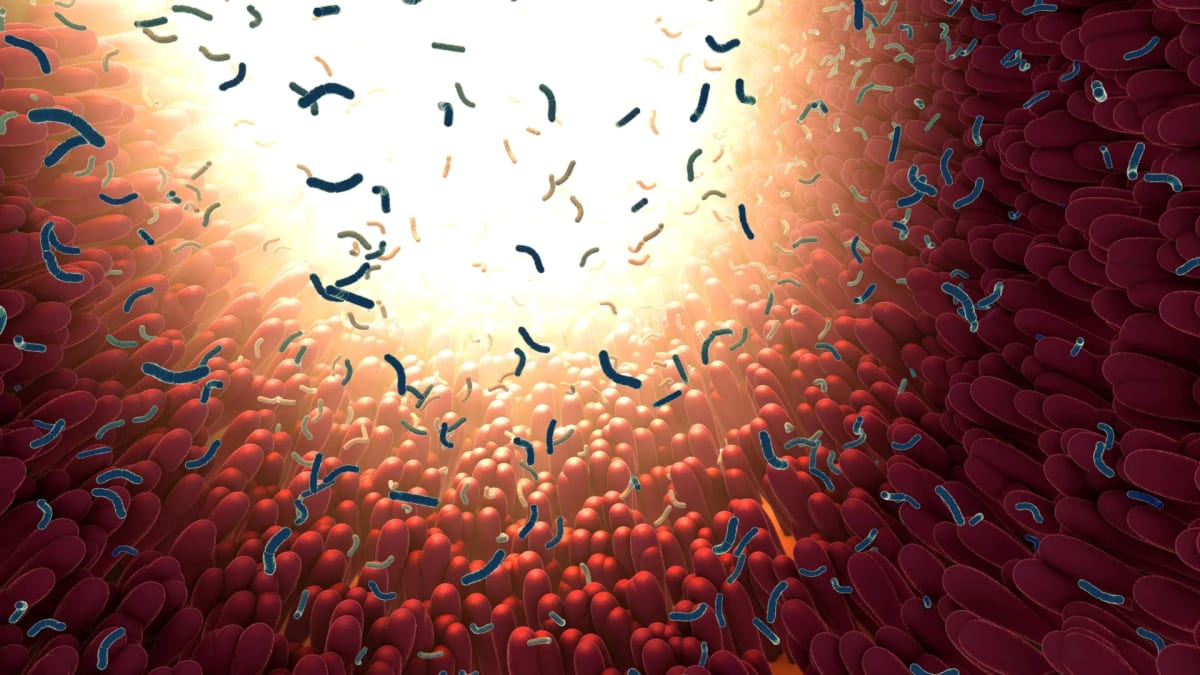
Researchers at Marshall University just uncovered something remarkable. Tiny particles called exosomes, which cells use to communicate throughout the body, appear to carry aging signals from the gut to the rest of your system.
The scientists studied these microscopic messengers in both young and old animals. When they transferred exosomes from older animals into young ones, the younger animals developed inflammation and metabolic problems linked to aging. Their bodies started showing signs of insulin resistance and damage to the gut barrier.
But here's where it gets exciting. The researchers tried the opposite experiment, transferring young exosomes into older animals. Those aging animals actually showed improvement in several age-related metabolic problems.
Dr. Abdelnaby Khalyfa, who led the study published in Aging Cell, explains that a weakened gut barrier can leak inflammatory substances into the bloodstream. This triggers long-term inflammation and raises the risk of heart disease and metabolic disorders.
The gut environment itself may play a much bigger role in aging than scientists previously understood. These exosomes carry proteins and genetic material that influence metabolism, immune function, and even sleep-related stress throughout the entire body.
Why This Inspires
This discovery opens doors that seemed closed just a few years ago. Instead of viewing aging as an inevitable decline, scientists can now explore whether protecting or restoring a healthy gut environment might slow down age-related diseases.
The research team identified specific molecules inside these exosomes that could eventually help doctors detect, understand, and possibly treat conditions like heart disease and diabetes. These findings might apply to any chronic condition involving long-term physiological stress.
Understanding how gut health connects to aging gives researchers new targets for intervention. It means better outcomes for patients dealing with diseases once thought unavoidable.
The implications reach beyond just adding years to life. This research points toward adding healthy, vibrant years where people can stay active and independent longer. Scientists are now one step closer to turning gut health into a practical tool for fighting the effects of aging.
Based on reporting by Google News - Scientists Discover
This story was written by BrightWire based on verified news reports.
Spread the positivity!
Share this good news with someone who needs it