Tiny Implant Could Help Weight Loss Patients Stay on Track
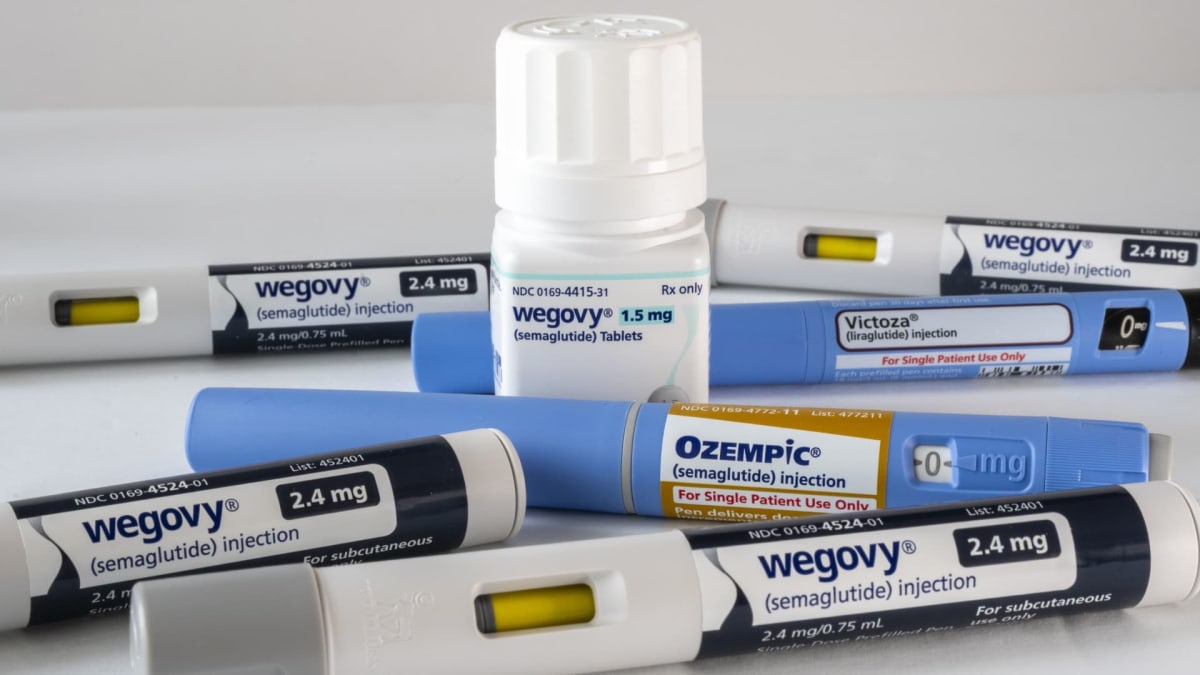
A new under-the-skin implant might solve the biggest challenge facing weight loss patients: staying on treatment long enough to keep pounds off. The device delivers steady doses of the same medicine in Ozempic and Wegovy, potentially reducing side effects and making treatment easier.
Millions of people taking popular weight loss medications face a frustrating problem: many stop treatment within a year and watch the weight creep back on.
Enter Vivani Medical, a biotech company developing a tiny titanium implant that could change that story. The device, about the size of a contraceptive implant, sits under the skin and slowly releases semaglutide, the active ingredient in Wegovy and Ozempic.
Here's what makes it special: the implant uses millions of microscopic channels to deliver medicine at a steady rate for months at a time. No weekly injections. No remembering pills. Just continuous, automatic dosing that could eventually require replacement just once or twice a year.
The company envisions patients using it as a maintenance tool. They'd first reach their target weight with regular injections or pills, then switch to the implant for long-term weight management. The steady drug flow might even reduce common side effects like nausea that drive people to quit treatment.
Novo Nordisk, the maker of Wegovy and Ozempic, announced this week it's partnering with Vivani to evaluate the device. It's a vote of confidence in technology that could tap into a market analysts project will exceed $100 billion by the early 2030s.
The implant can be inserted in minutes at a doctor's office using local anesthesia, similar to birth control implants millions already use. Patients can have it removed anytime if needed, and dosages can be adjusted by swapping to different strength implants.
The Bright Side
Right now, roughly half or more of GLP-1 patients stop treatment within a year due to injection fatigue, high costs, side effects, or stigma around obesity treatment. That means countless people lose weight only to gain it back, starting a discouraging cycle.
An implant that makes treatment effortless could help millions stick with therapy long enough to maintain life-changing results. Dr. Miranda Stiewig-Rapp from UC Davis Health's Obesity Clinic remains cautiously optimistic, wanting to see solid data first, but acknowledges the potential if it delivers on its promise.
The device still faces several years of clinical trials and regulatory approval before reaching patients. Questions remain about cost, insurance coverage, and whether it will perform as well in real-world testing as it does in theory.
But the core innovation addresses a genuine need: making effective treatment easier to maintain so people can keep the weight off and enjoy healthier lives for good.
Based on reporting by Google News - Business
This story was written by BrightWire based on verified news reports.
Spread the positivity!
Share this good news with someone who needs it