Tiny Moss Helped Solve Cemetery Crime in Illinois
A thumbnail-sized clump of moss became the star witness in a shocking cemetery scandal, proving that workers had illegally dug up graves to resell burial plots. Scientists identified the species and tested its chlorophyll to show the remains had been moved recently, helping convict four people in 2015.
When FBI agents called Matt von Konrat in 2009, the moss expert never imagined his knowledge would help solve a grave-robbing case.
Workers at Burr Oak Cemetery outside Chicago stood accused of a disturbing crime. They allegedly dug up older graves, moved the remains to different spots within the cemetery, and sold the empty plots again to unsuspecting families.
The evidence that cracked the case? A tiny clump of moss buried eight inches underground with relocated human remains.
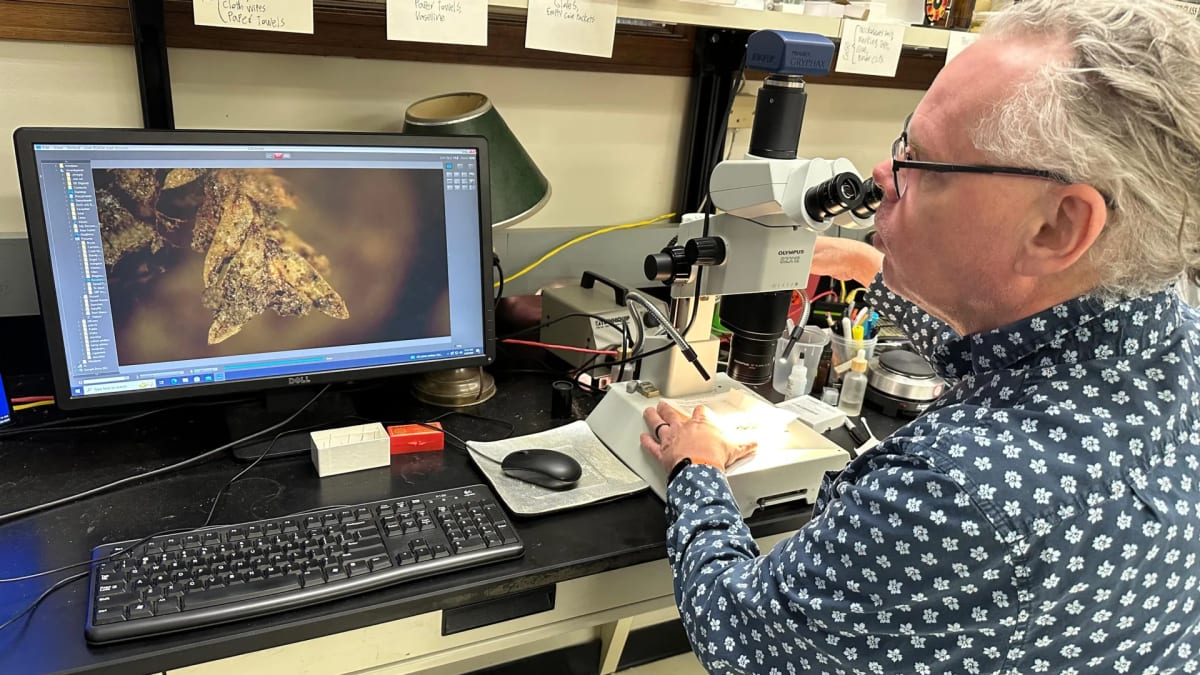
Von Konrat, who leads the botany collections at Chicago's Field Museum, examined the sample under a microscope and identified it as common pocket moss. But here's where the science got interesting: this species wasn't growing anywhere near where investigators found the reburied remains.
When von Konrat surveyed the entire cemetery, he discovered a large colony of the same moss species in the exact area where investigators suspected the original graves had been. The moss essentially left a trail showing where the remains had traveled from.
The defense argued that someone else might have disturbed the graves years earlier, before the accused workers started their jobs. So prosecutors needed proof of when the remains had been moved, not just where from.
That's when von Konrat's team got creative with chlorophyll testing. Even when moss is dry and seemingly dead, a few cells can stay metabolically active, and that activity deteriorates over time at a measurable rate.
The scientists tested moss samples of known ages, including fresh specimens and 14-year-old samples from museum collections. They measured how much light the chlorophyll absorbed in each sample, then compared those results to the cemetery evidence.
The buried moss had been underground for only one or two years. That timeline matched perfectly with when the accused workers had been employed at the cemetery.
Why This Inspires
Four people were convicted in 2015 of desecrating human remains, bringing justice to the families whose loved ones' graves had been disturbed. Former FBI agent Doug Seccombe, who worked the case, called the Field Museum's botanical expertise "extremely invaluable" to securing those convictions.
Von Konrat has since helped investigate several other cases involving moss, though such forensic applications remain rare. A 2025 study he co-authored found only about a dozen examples of mosses being used as criminal evidence over the past century.
The overlooked little plants growing in sidewalk cracks and shady corners might have more stories to tell than we ever imagined.
Based on reporting by Science Daily
This story was written by BrightWire based on verified news reports.
Spread the positivity!
Share this good news with someone who needs it