Tiny Pocket Gardens Cut Urban Heat, Flood Risk, and Noise
Cities are transforming underused concrete spaces into small "pocket gardens" that cool neighborhoods, absorb stormwater, and reduce noise pollution. These mini oases are proving that a little greenery can solve big urban problems.
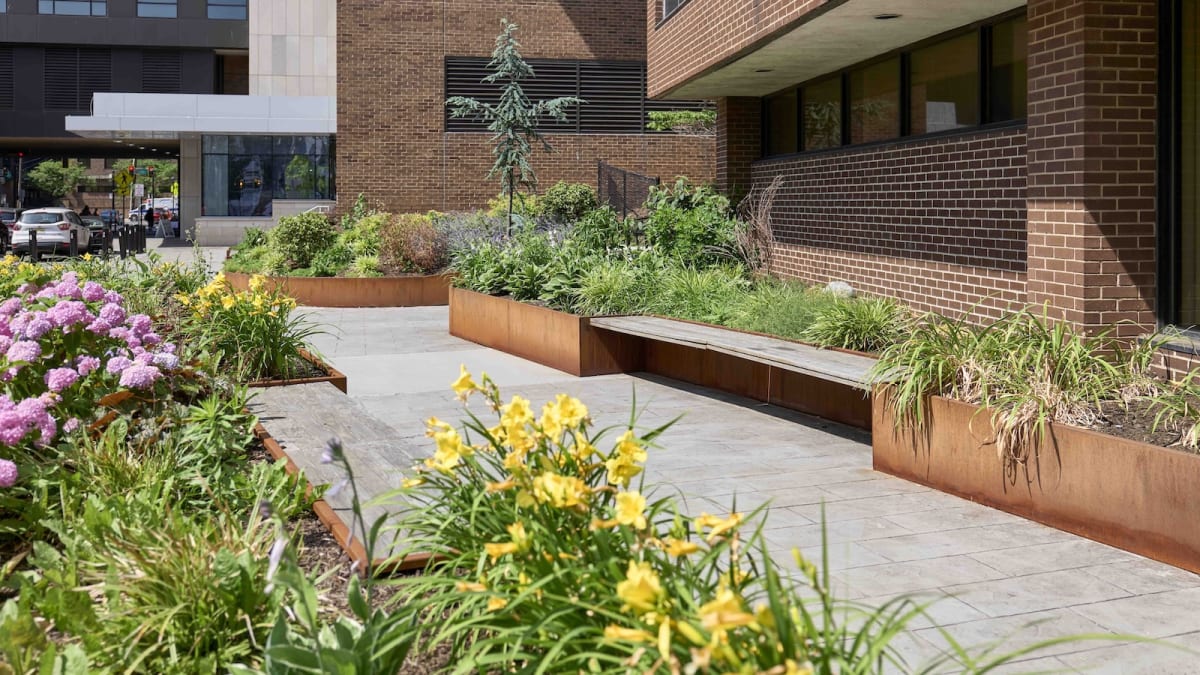
A tiny patch of green tucked beside a sidewalk or hospital entrance might not look like much, but it's quietly solving some of the biggest problems cities face today.
Welcome to the world of pocket gardens. These small green spaces are popping up in unexpected urban corners, transforming heat-trapping concrete into cooling oases packed with native plants, trees, and seating areas where people can escape the city bustle.
The benefits stack up fast. Studies show these mini parks improve mental health, make summers more bearable, and prevent flooding by soaking up stormwater that would otherwise overwhelm aging sewer systems designed for a different climate.
"A little bit of green goes a long way," said Dan Lambe, chief executive of the Arbor Day Foundation. Cities like Los Angeles and Pittsburgh are already removing concrete to create more of these spaces as rainfall increases on our warming planet.
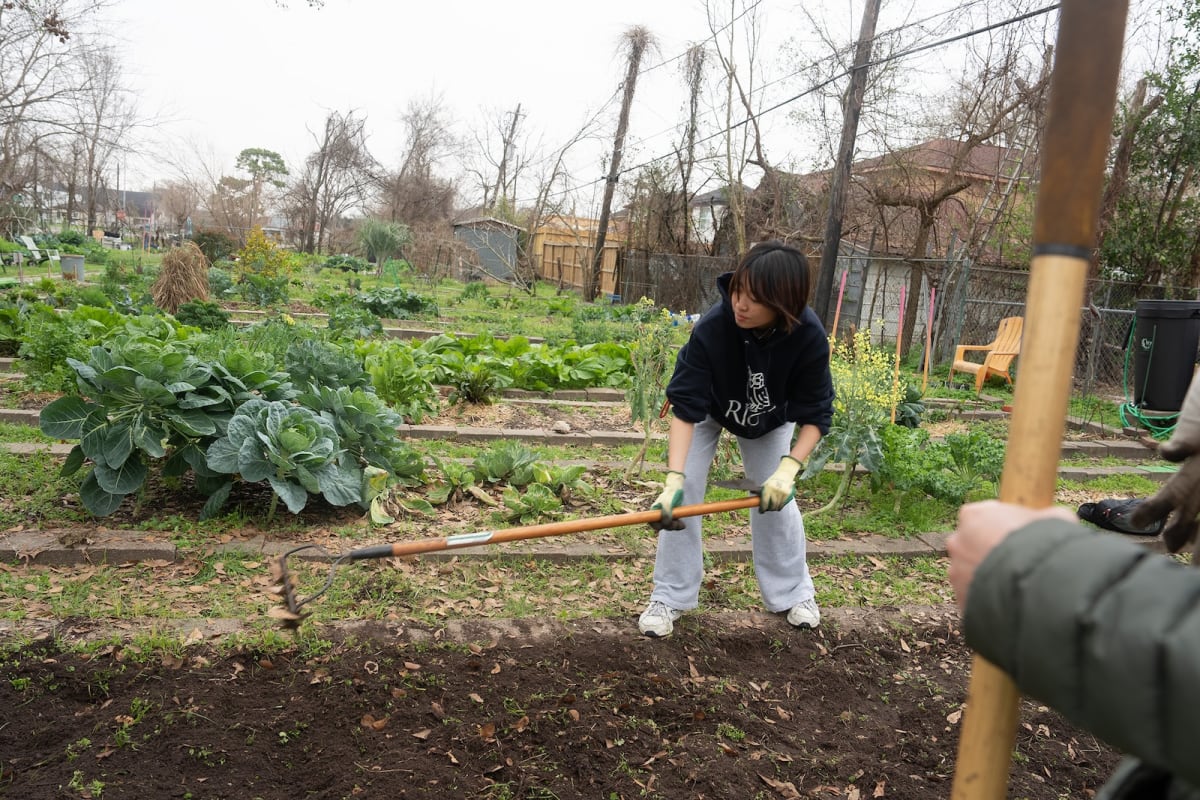
The secret sauce is choosing native plants. These species are already adapted to local conditions, so drought-tolerant varieties need less water to survive. They also attract native pollinators like insects and birds, who then fertilize other plants across the city, including crops at urban farms.
Smart designers pick native grasses that don't need mowing to cut maintenance costs. They choose trees with big canopies for maximum shade (sorry, palm trees). And they mix different species to attract more pollinators and prevent diseases from spreading.
Trees bring their own superpowers by scrubbing air pollutants that cause respiratory problems. They also release water vapor that cools the air, fighting the urban heat island effect where cities absorb sunlight all day and release it slowly into the night.
The Ripple Effect
The benefits reach beyond what you can measure with a thermometer. Eric Galipo, director of campus planning at architecture firm FCA, sees these spaces creating something cities desperately need: places for people to connect.
"It's actually a transition toward the pedestrian and away from the vehicle," Galipo said. "These are great opportunities for that sort of connection to happen."
Barcelona proved this works at scale with their "superblocks" that transformed car infrastructure into walkable green spaces. After these areas were pedestrianized, average noise levels dropped by 3.1 decibels as revving engines and honking horns gave way to human voices.
The green spaces also absorb city noise, keeping it from bouncing between buildings and pavement. Researcher Samuel Nello-Deakin found another bonus: when people see greenery, they perceive their surroundings as quieter than they actually are.
Cities are discovering that their tiniest gardens might be their smartest infrastructure investment.
More Images

Based on reporting by Grist
This story was written by BrightWire based on verified news reports.
Spread the positivity!
Share this good news with someone who needs it