Tiny Power Module Cuts Energy Waste by 9x
Scientists just invented a pancake-shaped device that squeezes dramatically more power from existing electricity while using less space and costing less to make. The breakthrough could help solve surging energy demands from AI data centers and electric vehicles without building more power plants.
A team at the National Renewable Energy Laboratory just cracked a problem that's been stumping engineers for years: how to deliver way more power without wasting energy in the process.
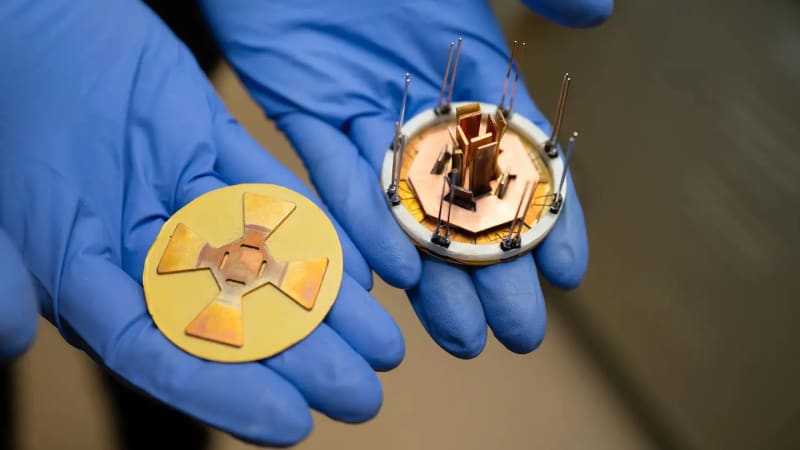
Their solution is ULIS, a disk-shaped power module that packs five times more energy into a smaller, lighter package than anything available today. Even better, it wastes seven to nine times less electricity during conversion, meaning we can squeeze more usable power from the same energy supply.
Think of it like upgrading from a leaky garden hose to a fire hose. The water source stays the same, but suddenly you're delivering dramatically more where it's needed.
The timing couldn't be better. Global electricity demand is skyrocketing as AI-powered data centers, advanced manufacturing, and electric vehicles strain power grids worldwide. Meeting that surge typically means building expensive new power plants, but ULIS offers a smarter path: use what we already have far more efficiently.
The secret lies in an oddly simple design choice. Traditional power modules stack components inside bulky boxes, but ULIS arranges everything flat like a pancake. This octagonal layout eliminates magnetic interference that normally slows electrical current, allowing the device to switch power on and off incredibly fast.
"We squished it flat, like a pancake," said researcher Shuofeng Zhao, "and suddenly we had a low-cost, high-performing design that was much easier to fabricate."
The team initially explored complex three-dimensional shapes resembling flowers and hollow cylinders. Those designs worked beautifully on paper but proved too expensive to manufacture. The breakthrough came when they radically simplified, creating a nearly flat structure that balanced cutting-edge performance with practical, affordable production.
ULIS also swapped traditional rigid materials for flexible polymers, making it adaptable to different applications. The 1200-volt, 400-amp module fits perfectly into data centers, electrical grids, and even next-generation aircraft.
Why This Inspires
What makes this story remarkable isn't just the technology. It's watching scientists solve a massive global challenge by thinking differently about an everyday component most of us never notice.
Chief researcher Faisal Khan calls ULIS "a true breakthrough" and "future-proofed" for applications we haven't even imagined yet. The module can monitor its own health and predict failures before they happen, critical for high-stakes environments like aviation or military operations where equipment failure could mean disaster.
The entire project was built in-house using only NREL's existing tools and facilities. No fancy external contractors, no billion-dollar labs, just smart people rethinking assumptions about how power modules should work.
As energy demands continue climbing, solutions like ULIS prove we don't always need to generate more electricity. Sometimes the smarter answer is using what we already have far more wisely.
Based on reporting by Science Daily
This story was written by BrightWire based on verified news reports.
Spread the positivity!
Share this good news with someone who needs it