Tiny Worms Could Unlock Treatment for Rare Child Paralysis
Brown University researchers created a breakthrough worm model that could help find treatments for a devastating childhood disease that causes paralysis and has no cure. The tiny nematodes offer a fast, affordable way to test thousands of potential drugs for alternating hemiplegia of childhood.
Scientists just found a promising new path to treating a rare disease that steals mobility from children and worsens as they grow.
Researchers at Brown University developed a genetically engineered worm model that could revolutionize treatment options for alternating hemiplegia of childhood (AHC). The disease causes full-body paralysis, painful muscle spasms, and seizures that can last from minutes to days.
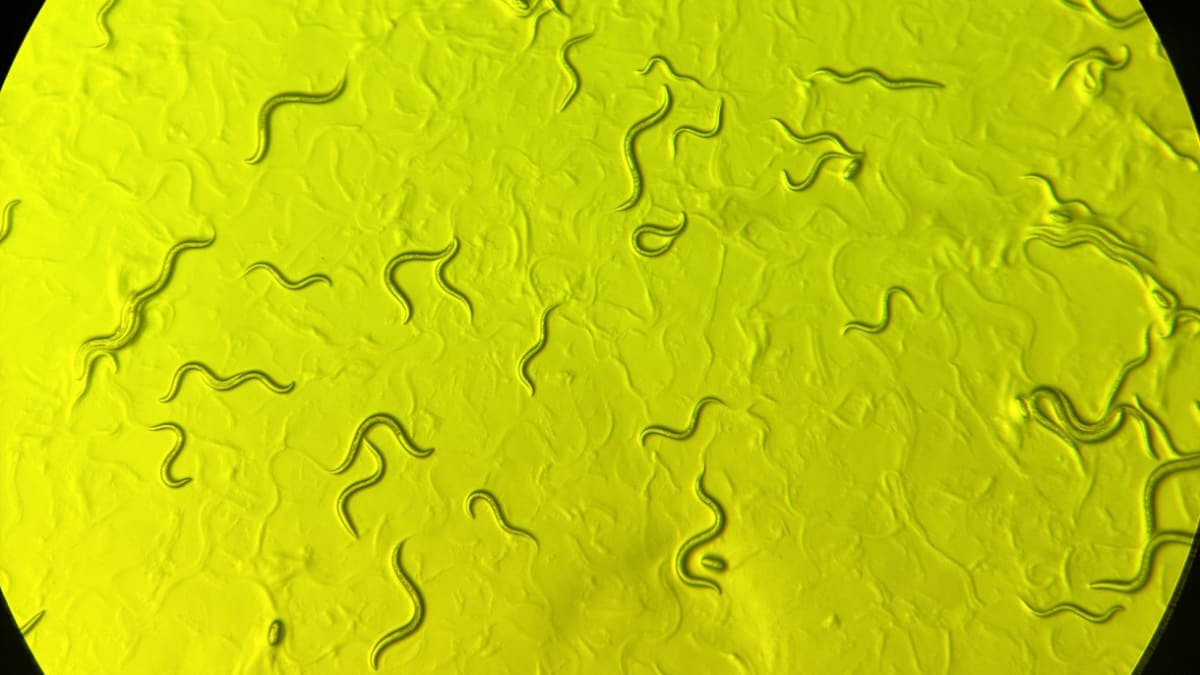
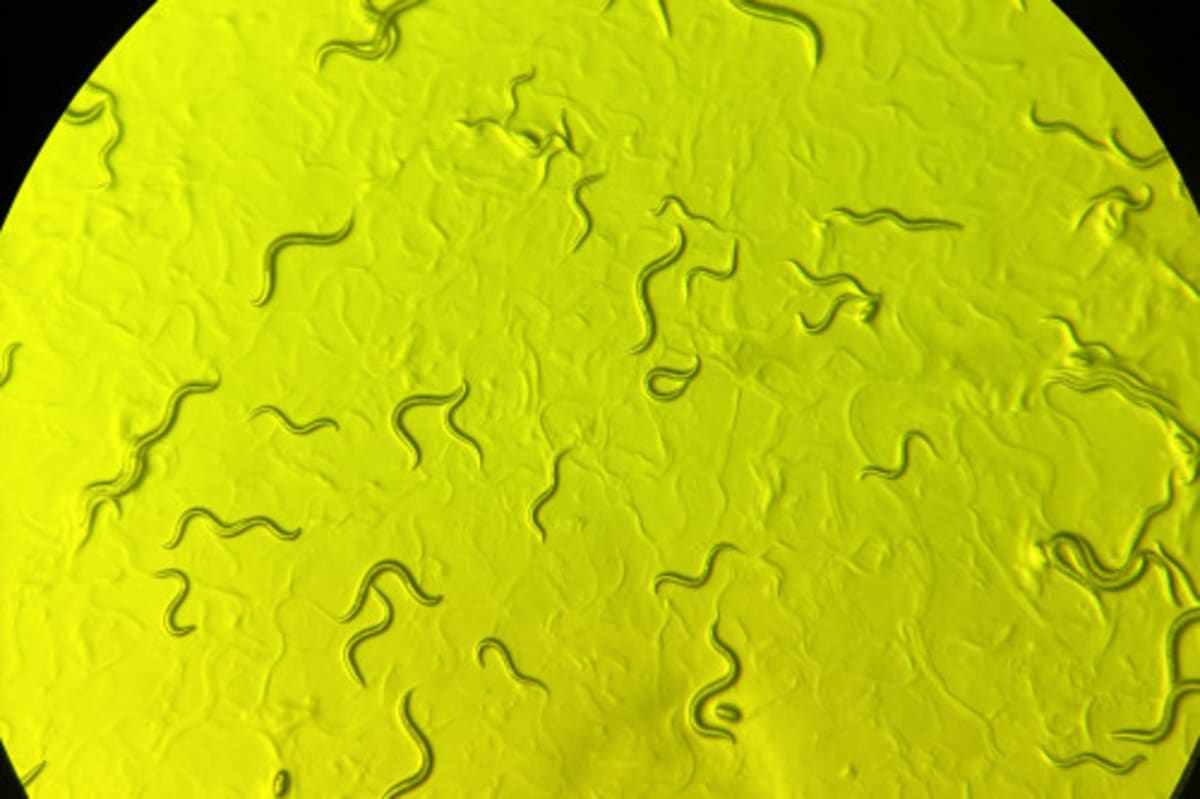
The breakthrough comes from an unexpected source: C. elegans, microscopic worms that share many genes with humans. Led by Ph.D. student Diana Wall, the team created three worm models representing different disease variants that affect about half of all AHC patients.
These tiny test subjects solve a major problem in rare disease research. Traditional testing using rodents or human cells is slow and expensive, making it nearly impossible to screen enough potential treatments. The worms are cheap, easy to grow, and perfect for rapid drug testing.
Professor Anne Hart, who directs the lab at Brown's Carney Institute for Brain Science, explains why the approach works so well. The worms carry the same ATP1A3 gene mutations that cause AHC in children, which disrupts an enzyme critical for nerve and muscle function.
The research revealed something important about why AHC affects each child differently. Each worm model showed distinct problems in neuron and muscle behavior, just like how different gene mutations cause different symptoms in young patients.
The Ripple Effect
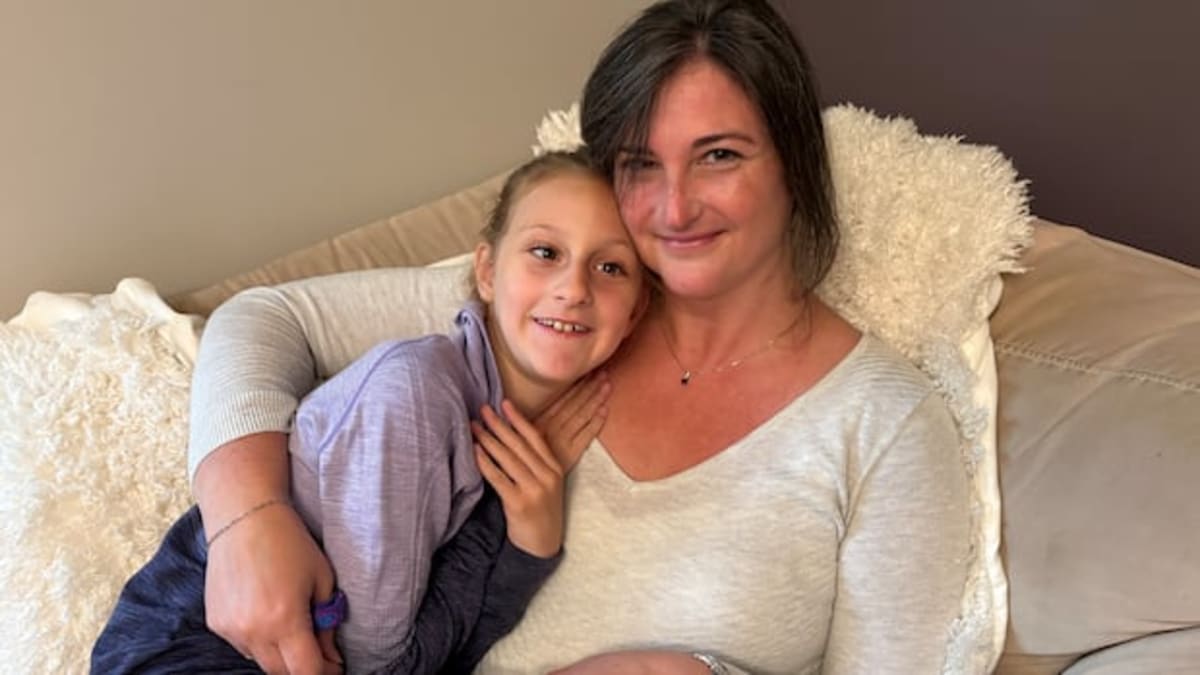
For families living with AHC, this research represents hope where little existed before. Nina Frost founded the nonprofit RARE Hope after her daughter Annabel was diagnosed with the disease. She helped fund the study and sees its life-changing potential clearly.
"We're going from having very few treatment options to being able to screen thousands of compounds," Frost said. Her daughter is 10 now, with symptoms that increase over time, making the timeline for treatment discovery deeply personal.
Wall has met many families affected by AHC at annual symposiums. Being in the same room with children whose disease she's trying to help cure drives her work forward. She chose to focus on this understudied condition precisely because the potential to make a difference is so great.
The research, published in Disease Models and Mechanisms, received funding from the National Institutes of Health and multiple foundations dedicated to finding an AHC cure. The team is now developing methods to screen potential drug treatments using their worm models.
For the first time, researchers have a practical way to test thousands of treatment possibilities quickly and affordably, bringing real hope to families facing a disease with no current cure.
More Images
Based on reporting by Google News - Disease Cure
This story was written by BrightWire based on verified news reports.
Spread the positivity!
Share this good news with someone who needs it