Toddler Breathes Free After Rare Disease Treatment at NIH
For two years, parents suctioned their son's airway every five minutes to keep him alive. Then an experimental treatment changed everything.
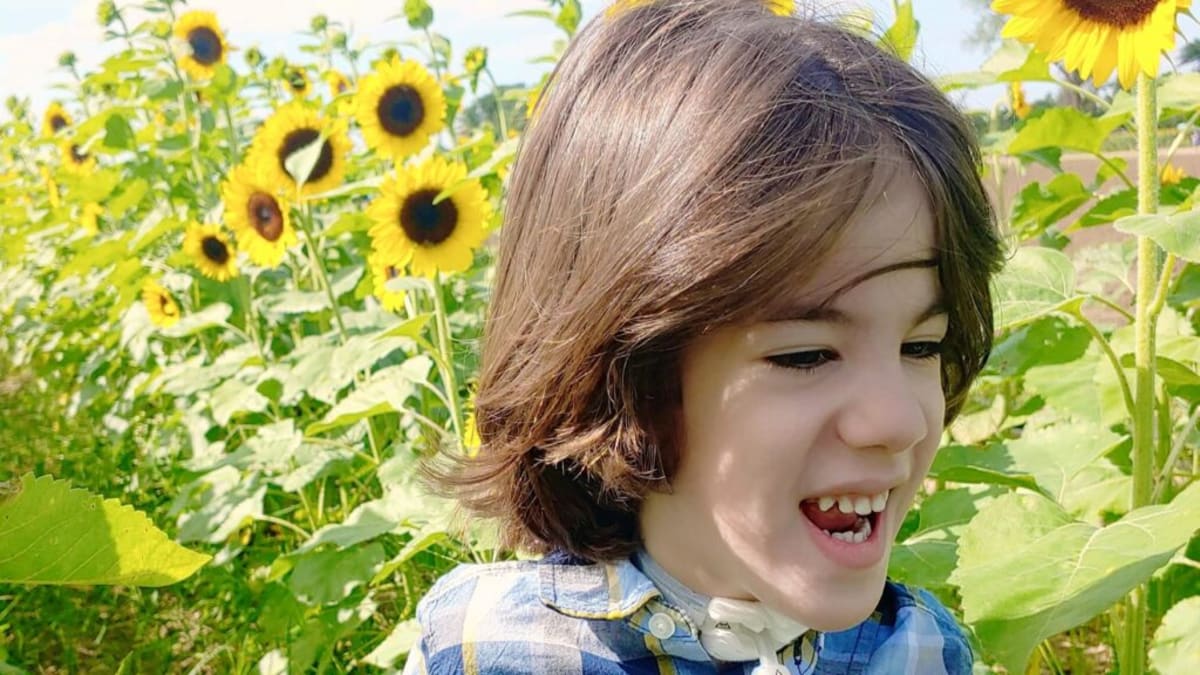
For the first two years of Joshua Jacob Gonzalez's life, his parents never slept more than five minutes at a time. Every five minutes, day and night, Javier and Jessica Gonzalez had to suction saliva from the back of JJ's mouth or he could suffocate and die.
The round-the-clock vigil was the reality of living with their son's rare disease. One missed suction could be fatal.
Then came an experimental treatment at the National Institutes of Health in 2026. A few weeks after JJ received the therapy, Jessica woke in the middle of the night and realized something was different.
She shook her husband awake from his hospital chair. When was the last time they had suctioned JJ?
An hour had passed. Their little boy was breathing on his own.
Five years earlier, the rare disease community had suffered a devastating setback when a promising treatment failed. Families like the Gonzalezes watched their hope disappear as research programs shut down and funding dried up.
But scientists didn't give up. They regrouped, refined their approach, and designed a new treatment strategy. The NIH agreed to test it, giving families a second chance they never thought would come.
Why This Inspires
The Gonzalezes' story reminds us that medical breakthroughs rarely happen on the first try. Behind every successful treatment are years of failed attempts, determined researchers, and families who kept believing when others lost hope.
For rare disease communities, setbacks can feel permanent because so few researchers focus on conditions affecting small numbers of patients. This comeback proves that even the smallest patient populations deserve persistence.
JJ's parents can now sleep through the night for the first time in years. They can focus on watching their son grow instead of counting minutes between life-saving interventions.
The treatment represents more than one family's miracle—it's proof that rare disease research can rise from the ashes of failure and give families their lives back.
More Images

Based on reporting by STAT News
This story was written by BrightWire based on verified news reports.
Spread the positivity!
Share this good news with someone who needs it