Togo Leads Push for Map Showing Africa's Real Size
Togo is asking the UN to replace outdated world maps that make Africa look smaller than it really is. The initiative could reshape how a billion people see themselves on the global stage.
A tiny West African nation is taking on a 450-year-old visual distortion that's shaped how the world sees an entire continent.
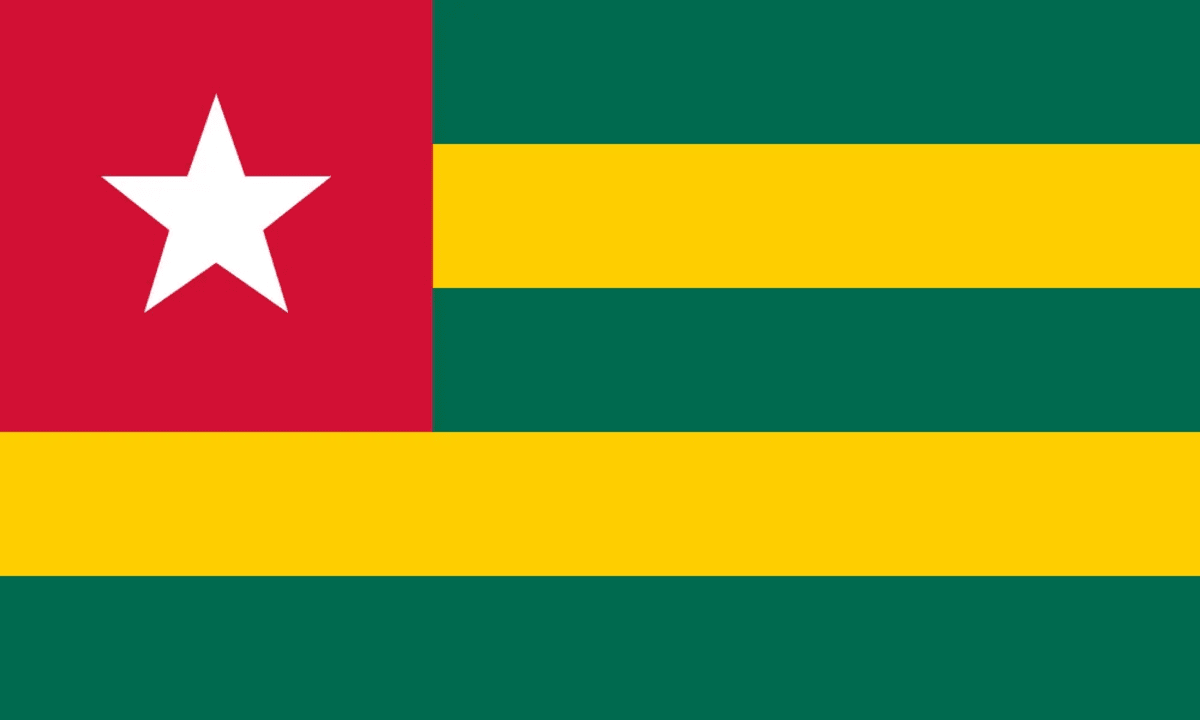
Togo is leading a diplomatic campaign to convince United Nations member states to adopt world maps that accurately show Africa's true size. The country's Foreign Minister Robert Dussey is asking the global community to abandon the 16th-century Mercator projection, which was designed for sailors but has stuck around in classrooms and smartphones ever since.
The problem is huge. The old map makes Greenland appear as large as Africa when the African continent is actually 14 times bigger. While the Mercator projection helped ships navigate safely for centuries, it enlarges landmasses near the poles and shrinks regions near the equator, creating what one advocate calls "the world's longest misinformation campaign."
The African Union has officially tasked Togo with promoting the "Correct The Map" campaign. The AU wants governments and organizations worldwide to adopt the Equal Earth projection, a 2018 model that shows all countries at their true relative sizes.
Dussey frames this as a search for scientific truth. "The size we see of the African continent on the globe is geographically inaccurate," he explained, noting that visual biases shape everything from education to global policy.
Why This Inspires
This isn't just about correcting measurements on paper. AU deputy chairperson Selma Malika Haddadi points out that distorted maps create a false impression that Africa is "marginal" despite being the world's second-largest continent with over a billion people.
Groups like Speak Up Africa are already working to ensure African children see their home as it truly is. Co-founder Fara Ndiaye is promoting curriculum changes so the Equal Earth projection becomes standard in every African classroom.
The movement is already gaining traction beyond advocacy groups. The World Bank confirmed it's phasing out the Mercator in favor of Equal Earth and other accurate projections. The UN has initiated a formal review through its Committee of Experts on Global Geospatial Information Management.
Dussey anticipates a vote at the UN General Assembly this September. He calls it a "litmus test" for global relations, believing countries' votes will reveal their commitment to objective truth over outdated tradition.
The initiative builds on momentum from a landmark March 2026 resolution recognizing the transatlantic slave trade as a crime against humanity, which passed with 123 votes despite opposition from some Western nations. That vote showed growing solidarity among Global South nations to reclaim their narrative through facts and data.
A new generation is growing up with the tools to see themselves clearly on the world stage, one accurate map at a time.
Based on reporting by Myjoyonline Ghana
This story was written by BrightWire based on verified news reports.
Spread the positivity!
Share this good news with someone who needs it