Tokyo Deaflympics Fans Feel Judo Slams With Haptic Tech
Spectators at the 2025 Summer Deaflympics in Tokyo wore neck devices that let them feel every judo throw through vibrations captured in real time. The technology created such an immersive experience that even hearing fans called it wonderful.
Imagine feeling the thunderous impact of an athlete slamming onto a mat without hearing a sound.
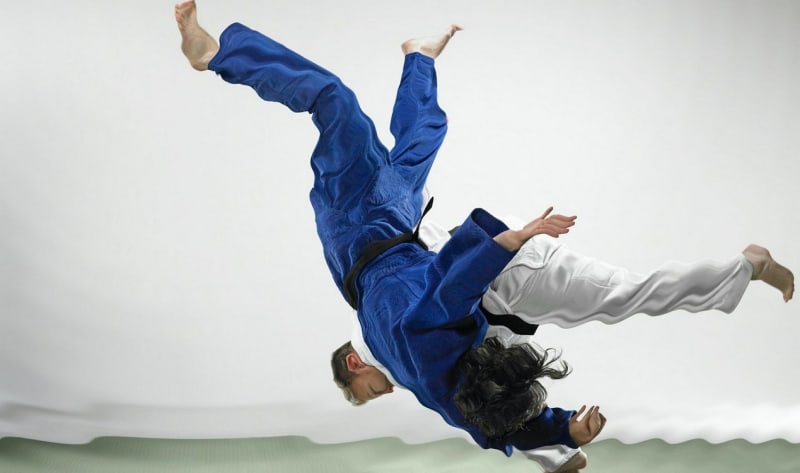
At the 2025 Summer Deaflympics in Tokyo, organizers equipped judo spectators with haptic feedback devices worn around the neck. The technology translated real-time action into vibrations, letting fans physically feel every throw, strike, and footstep as it happened on the mat.
Sensors and special microphones captured competition data instantly. The haptic devices then delivered precise vibrations matching the intensity of each moment, from powerful slams to subtle crowd energy.
The technology was originally designed for concerts but proved perfect for bringing deaf and hearing sports fans together. Judo, which means "gentle way" in Japanese, features throws that send competitors crashing onto firm tatami mats with serious force.
Those impacts became the most thrilling moments for spectators. Instead of relying on the sharp sound of a body hitting the mat, fans felt the action pulse through their bodies with perfectly timed vibrations.
Event organizers didn't stop with haptic feedback. Special eyeglasses projected holograms showing athlete bios, previous scores, and real-time competition cues, giving spectators multiple ways to connect with the action.
The Ripple Effect
The immersive technology demolished barriers between deaf and hearing fans. Nana Watanabe, a judo spectator who can hear, raved about the experience.
"Even though I can hear sound, the device really conveys the atmosphere of the venue," she said. "It feels like we can share the intensity together. I think it's wonderful."
BBC technology journalist Paul Carter noted that the system captures the nuance of live sport through sensors and human tuning. The result gives spectators clear cues and a visceral sense of impact that creates truly shared experiences.
The success in Tokyo points toward a future where accessibility technology enhances events for everyone, not just those who need it. When innovations designed for inclusion become universally beloved, the entire sports world moves forward together.
Based on reporting by Good News Network
This story was written by BrightWire based on verified news reports.
Spread the positivity!
Share this good news with someone who needs it