Toledo Hospital Makes Brain Therapy Affordable for Depression
A new brain stimulation treatment is helping people with severe depression get better without medication. Insurance companies now cover the therapy, making it accessible to more patients who haven't found relief from traditional treatments.
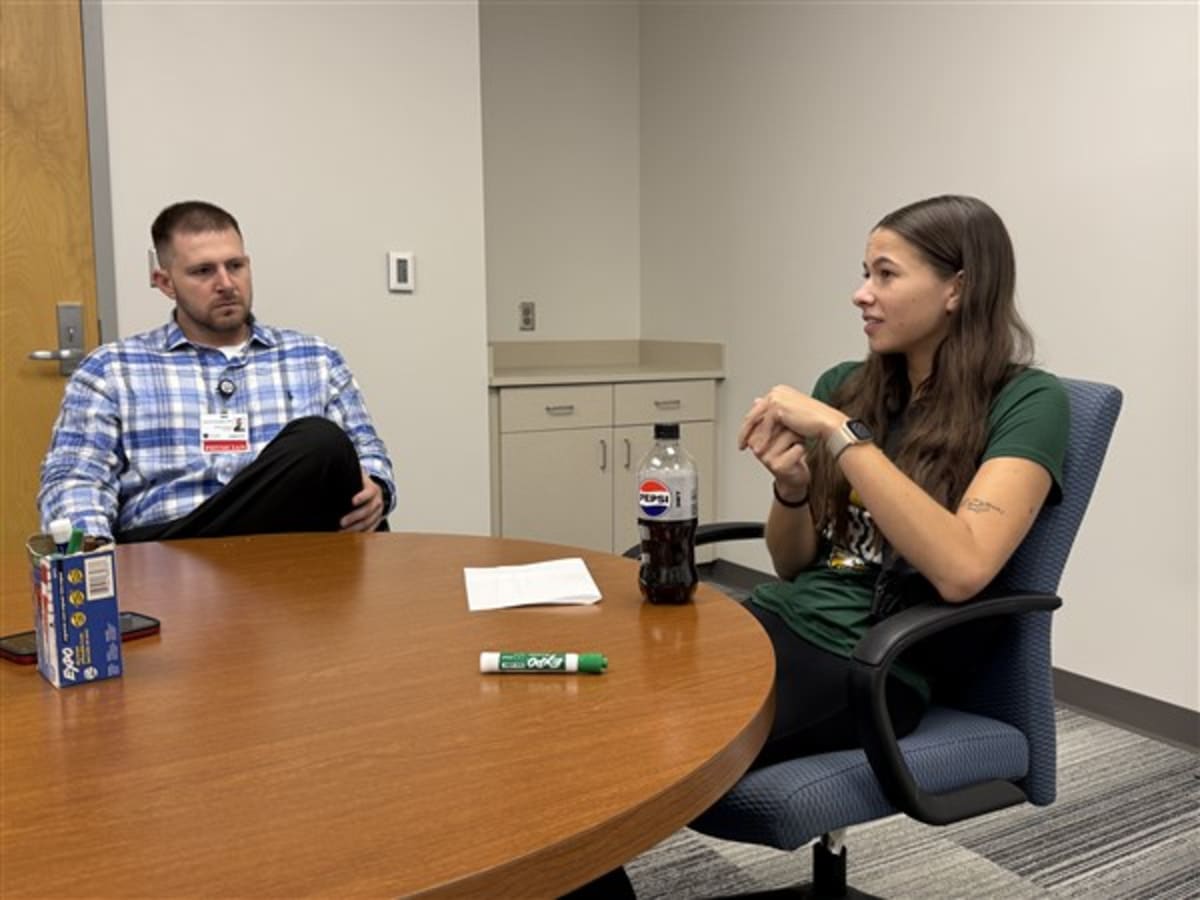
After 12 years of struggling with severe depression, Avery Roach couldn't get out of bed or enjoy time with friends. The 20-year-old from Oregon had tried countless medications and therapy sessions since age 8, but nothing worked.
Then she discovered a program at the University of Toledo Medical Center that changed everything. The hospital offers Transcranial Magnetic Stimulation, a treatment that uses magnetic pulses to stimulate underactive parts of the brain linked to depression.
The therapy works by targeting the brain's dorsolateral prefrontal cortex, an area that becomes sluggish in people with depression. Magnetic pulses help neurons fire better and create new pathways, essentially rebooting the brain's ability to regulate mood.
Each treatment takes just 20 minutes. Patients visit five days a week for six weeks, and many see dramatic improvements.
Roach finished the program and no longer needs antidepressants. "I feel happier," she said. "I feel like I can actually look forward to things."
Dr. Garrett Spradley, a psychiatrist at UTMC, said many patients have similar experiences. "It's not uncommon for people to come in, have TMS treatment, and say, 'Hey, I don't really need medicine anymore,' because we've regrown those neural synapses," he explained.
The game changer is insurance coverage. Companies have started paying for TMS therapy, making it accessible to people who previously couldn't afford the treatment.
UTMC launched its program in September 2025 and has treated six patients so far with strong results. The hospital expects to help many more people as awareness grows.
The Ripple Effect
Treatment-resistant depression affects millions of Americans who cycle through medications without relief. This therapy offers hope to people who thought they'd exhausted all options.
As more hospitals adopt TMS and insurance companies expand coverage, families watching loved ones struggle finally have another path forward. The technology has existed for years, but affordability kept it out of reach for most people.
Now mainstream acceptance is bringing this proven therapy to communities across the country. What was once experimental is becoming standard care.
For Roach, the change has been life-altering. Her friends and family noticed the difference in her personality and mood before she even mentioned the treatment.
Patients who complete the program often find they can manage their depression without the side effects and daily routine of medication.
Based on reporting by Google News - New Treatment
This story was written by BrightWire based on verified news reports.
Spread the positivity!
Share this good news with someone who needs it