Toronto Med Dean Creates Award for Future Clinician-Scientists
A medical school dean is putting her own money toward training the doctors who do double duty as researchers. The new scholarship removes financial barriers for students choosing an eight-year path that bridges patient care and scientific discovery.
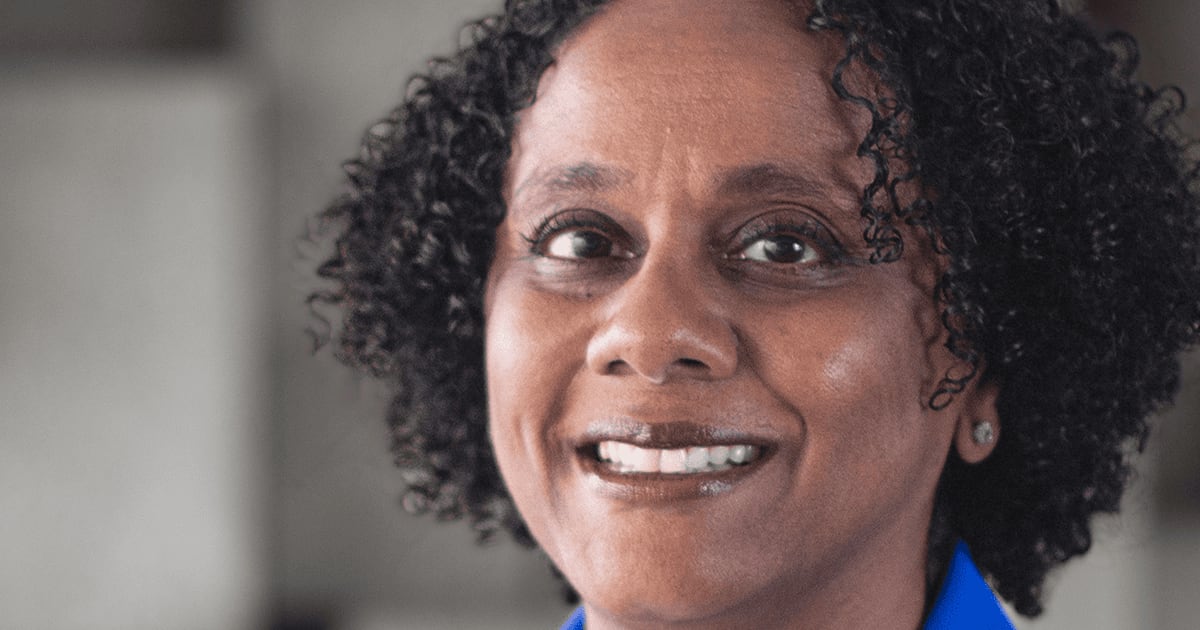
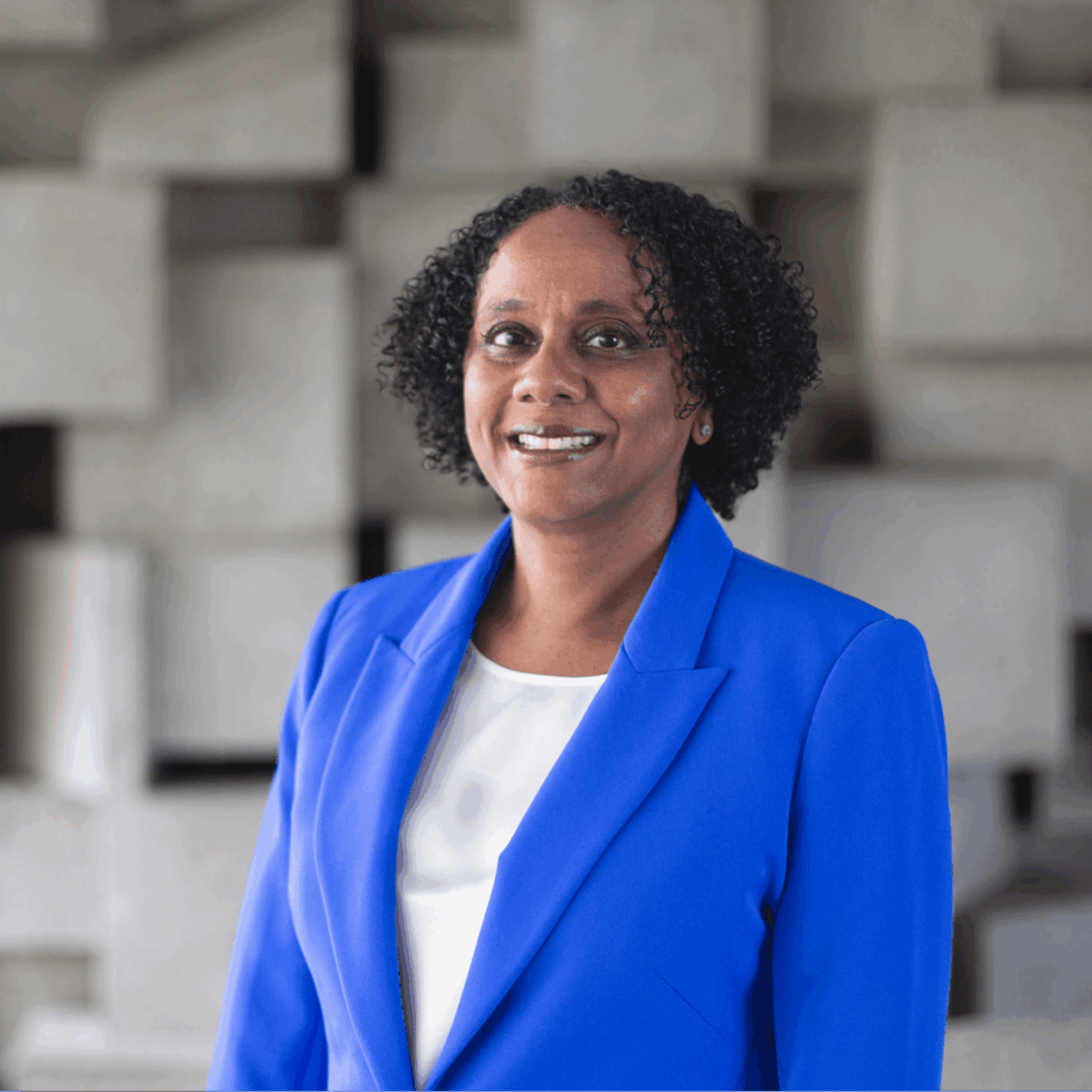
Lisa Robinson knows exactly where to invest if you want medical breakthroughs to reach patients faster. The Dean of University of Toronto's Temerty Faculty of Medicine just established a new award with her family's personal funds to support students training to become clinician-scientists.
These students take on a challenging eight to nine year journey, earning both an MD and PhD simultaneously. It's a long road, but Robinson calls them "the secret sauce" of modern medicine.
"They live at the intersection of discovery and care," says Robinson, who also serves as the university's vice-provost for health care relations. "They're uniquely positioned to ask the right questions and then make sure the answers actually reach patients."
The idea came to Robinson during last year's University of Toronto Giving Day. She wanted her family's donation to make the biggest possible impact on medical education and research.
Temerty Medicine already has more than 700 clinician-scientists on faculty, a scale that sets it apart globally. But the MD/PhD program itself remains relatively small compared to similar institutions worldwide.
The main barrier? Money. In a city as expensive as Toronto, committing to nearly a decade of training requires significant financial support.
"It's a long and demanding pathway," Robinson says. "If we want to attract and retain the very best students, we have to remove as many barriers as we can."
The Ripple Effect
The impact of clinician-scientists extends far beyond their own research labs. They train in both worlds simultaneously, bringing clinical realities into their research questions and scientific thinking into every patient interaction.
That dual perspective means fewer discoveries get stuck in academic journals. These doctors can spot which findings will work in real hospitals with real patients and then help implement them.
Students who choose this path aren't looking for the quickest route to practicing medicine. They're committing early to a career of translating scientific discovery into practical treatments.
The new award goes to students based on financial need, selected by the MD/PhD Program itself. Robinson sees these learners as driven by deep purpose, choosing impact over ease.
As both dean and a Temerty Medicine graduate herself, Robinson views the donation as paying forward the opportunities she received. She hopes it signals to the entire faculty that investing in the next generation matters.
"I think all the time about how lucky I am," she says. "This is about creating opportunities that might otherwise be out of reach."
More Images

Based on reporting by Google: scientific discovery
This story was written by BrightWire based on verified news reports.
Spread the positivity!
Share this good news with someone who needs it

%2Ffile%2Fattachments%2Forphans%2FImage1ProfAndrewRoss_534320.jpg)
