Total Lunar Eclipse Returns March 3 for North America
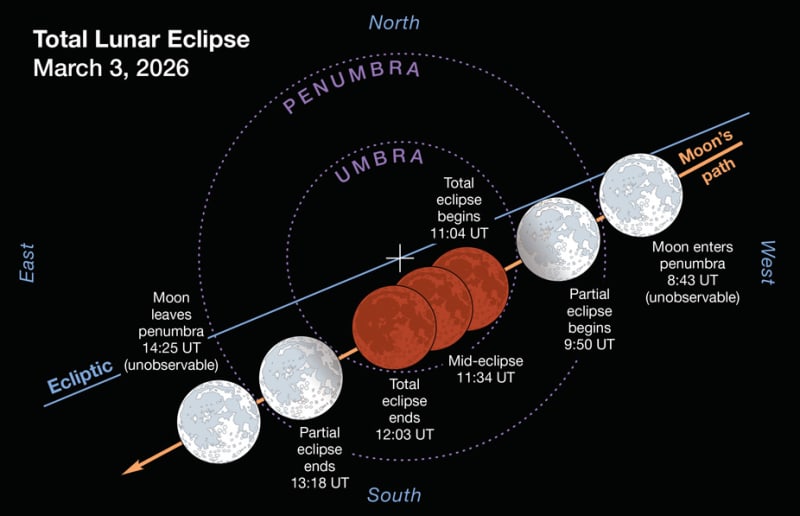
On Tuesday morning, March 3rd, a total lunar eclipse will paint the full moon crimson as it passes through Earth's shadow, visible across North America with no special equipment needed. After this one, the next total lunar eclipse won't grace our skies until 2029.
If you've been waiting for another chance to see the moon turn deep red during a total eclipse, your wait is almost over.
On Tuesday morning, March 3rd, the full Worm Moon will pass through Earth's shadow, creating a total lunar eclipse visible across North America. Best of all, you won't need any special equipment or exact timing to enjoy this celestial show.
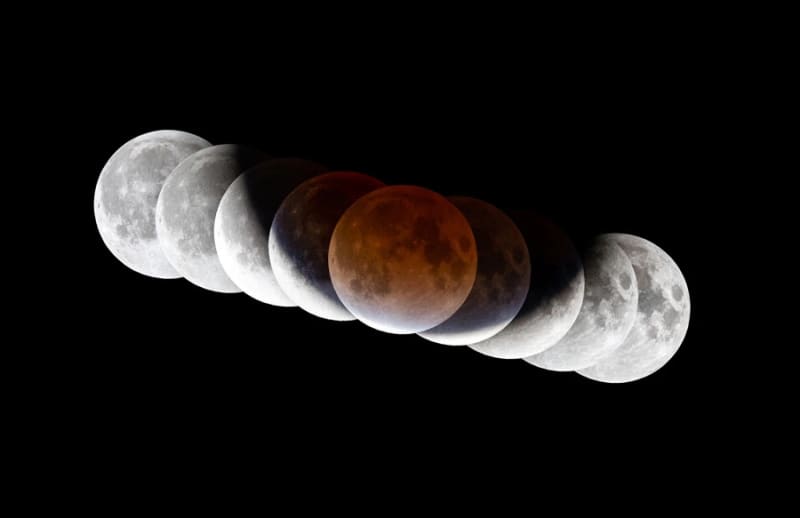
The eclipse happens when the full moon crosses through Earth's orbital plane, allowing our planet's shadow to darken the lunar surface. Unlike solar eclipses that require travel and split-second timing, lunar eclipses are leisurely events anyone can watch from their backyard.
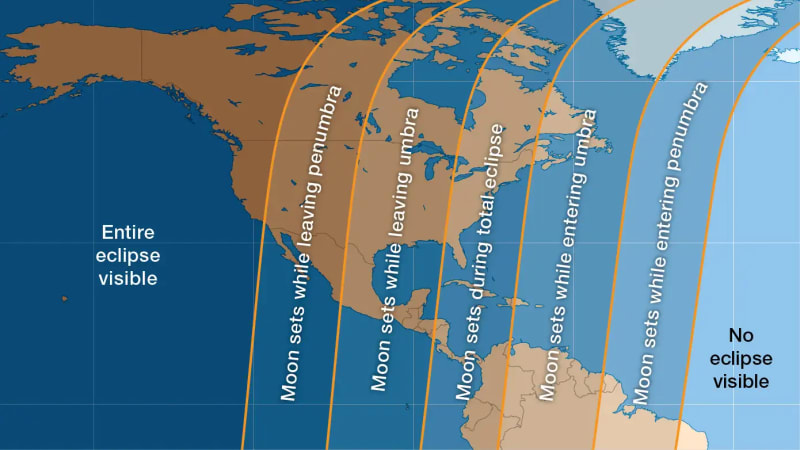
West Coast viewers get the best seat in the house, with the entire eclipse unfolding in dark skies. Totality begins at 3:04 a.m. Pacific time, and the moon fully exits Earth's shadow before dawn at 5:18 a.m.
For the Midwest, totality starts at 5:04 a.m. Central time in a dark sky, with the moon emerging from the umbra around 6:03 a.m. as morning twilight begins. Bring binoculars to catch the fainter details as daylight approaches.
East Coast observers face the trickiest viewing conditions but can still catch the show. In Philadelphia, totality begins at 6:04 a.m. Eastern time, just 30 minutes before moonset, with the eclipsed moon fading into the brightening dawn sky.
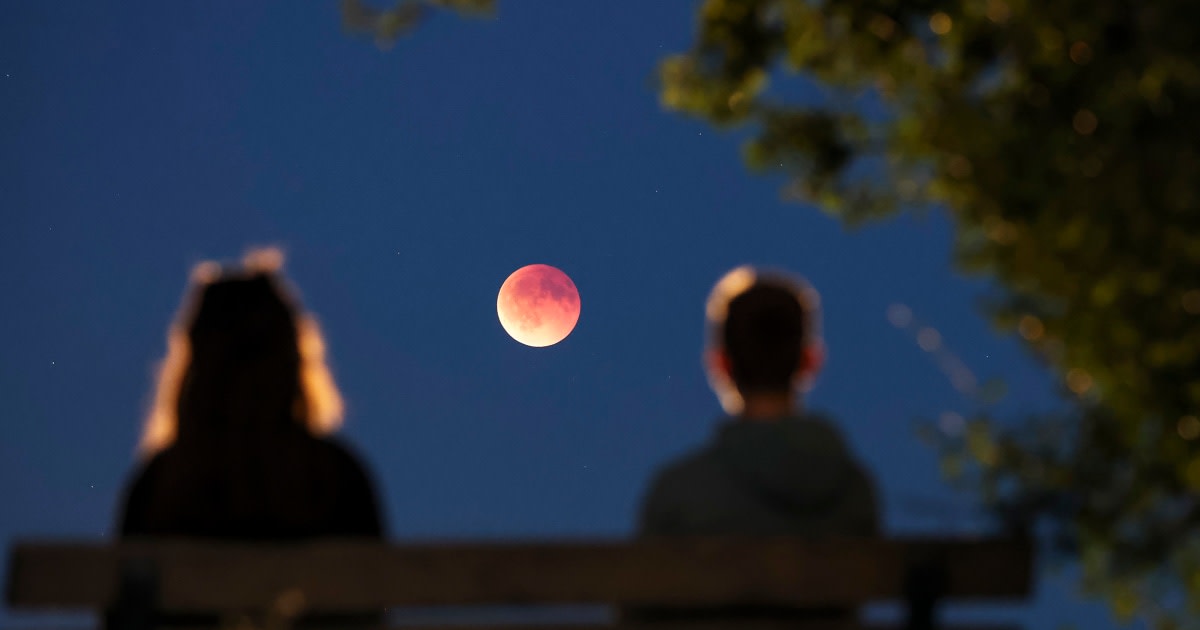
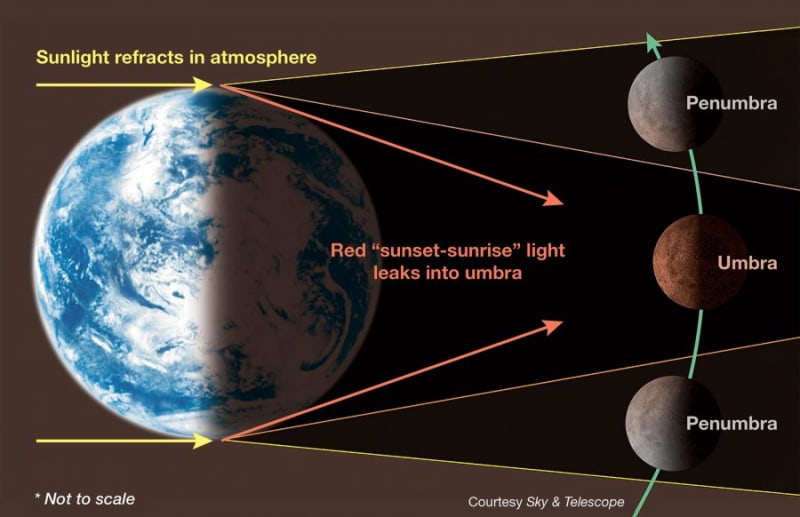
The moon won't turn black during totality. Instead, it glows a rusty red color because Earth's atmosphere bends and filters sunlight into the shadow, painting the lunar surface with the light of every sunrise and sunset happening around our planet at that moment.
Why This Inspires
This eclipse reminds us that the most spectacular shows in nature are often free and accessible to everyone. No tickets required, no exclusive locations needed, just you, the sky, and a cosmic alignment that connects every person watching to the same beautiful moment.
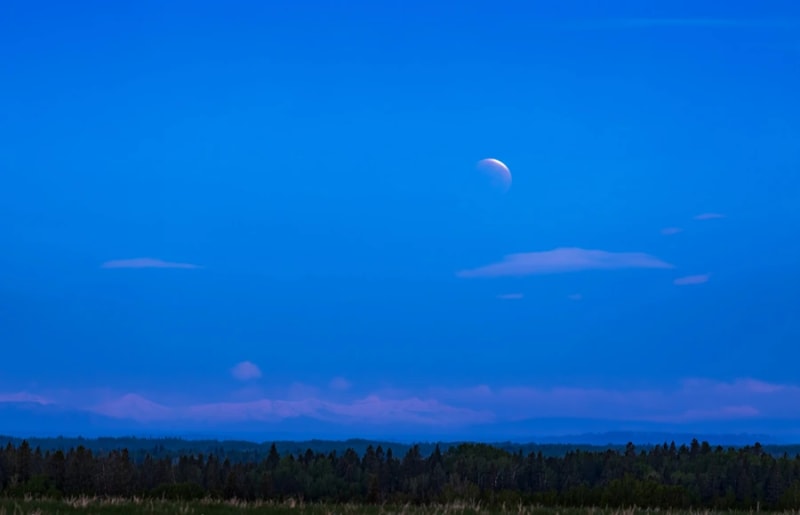
The moon's low position during the eclipse creates perfect opportunities for stunning photos, even with a smartphone. Frame it against your favorite landmark or landscape as twilight paints the sky.
After this eclipse, a deep partial eclipse follows in August 2026, with 96% of the moon covered. But if you want to see another total lunar eclipse from North America, you'll need to wait until June 26, 2029.
The universe is putting on a show, and everyone's invited.
More Images
Based on reporting by Sky & Telescope
This story was written by BrightWire based on verified news reports.
Spread the positivity!
Share this good news with someone who needs it