Total Solar Eclipse and Meteor Shower Grace Same Day in August
On August 12, 2026, skywatchers across the northern hemisphere will witness a rare double feature: Europe's first total solar eclipse since 1999, followed by the peak of the Perseid meteor shower under a new moon. It's the kind of astronomical alignment that happens once in a generation.
📺 Watch the full story above
Nature is serving up an astronomical feast that most of us have never seen before. A total solar eclipse and a major meteor shower will light up the sky on the same day, giving millions of people a chance to witness cosmic wonders just hours apart.
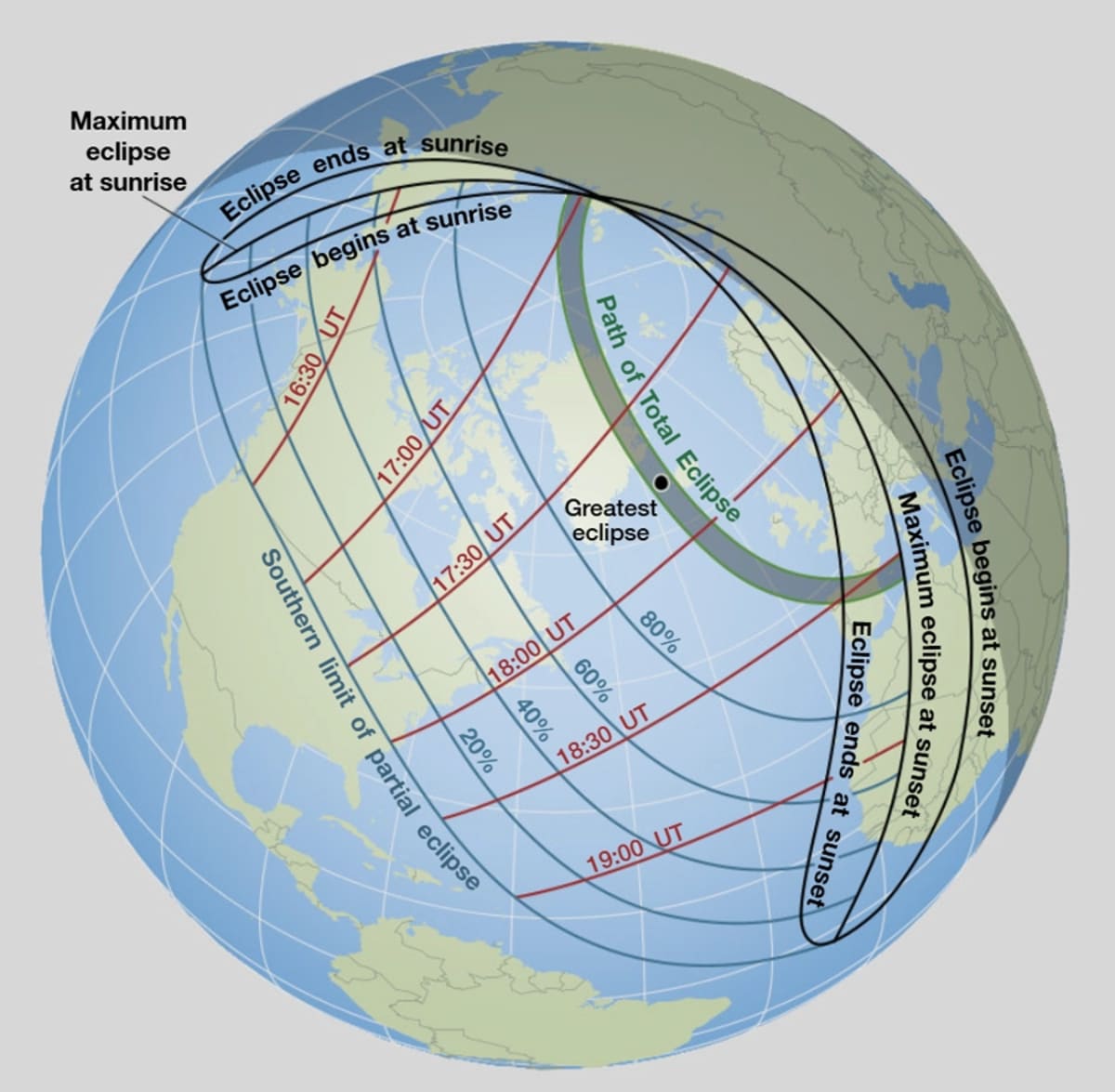
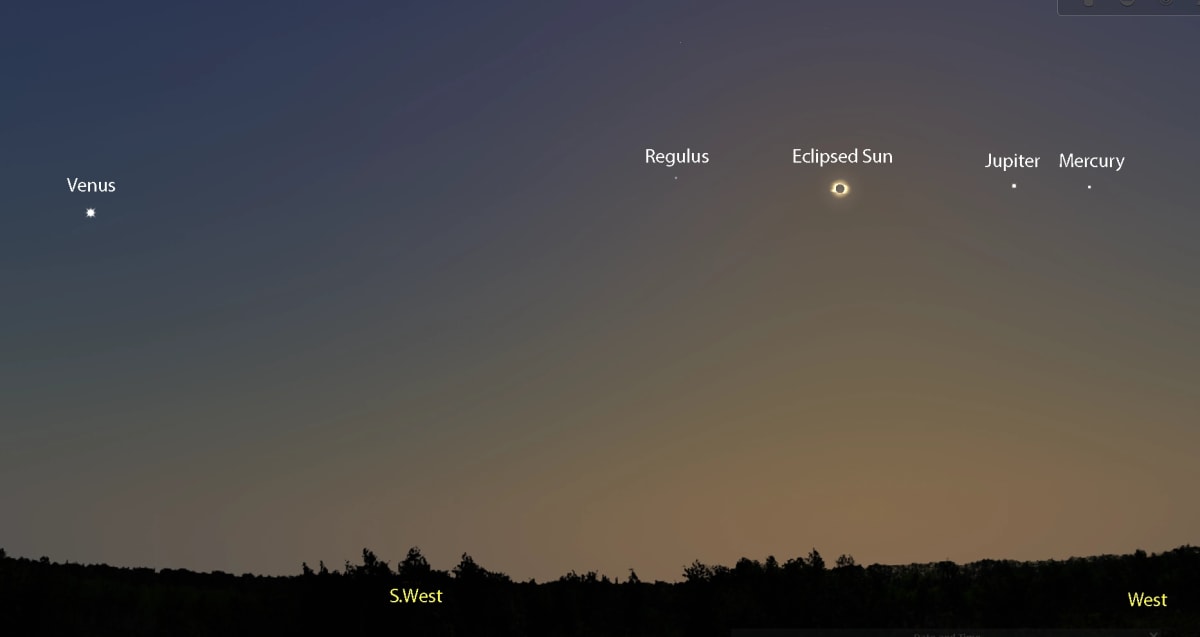
The moon's shadow will touch down in northern Siberia on August 12, 2026, before sweeping across Greenland and Iceland. Spain gets the grand finale, with cities like Valladolid and Zaragoza experiencing up to 2 minutes and 18 seconds of total darkness as the moon completely blocks the sun.
Even if you're not in the path of totality, you can still join the party. The northern third of the United States and most of Canada will see a partial eclipse, with northern Maine getting the best view at 29% coverage. Fairbanks, Alaska, will see an impressive 36% of the sun obscured.
Madrid and Barcelona will experience near-total eclipses at 99.96% and 99.82% coverage respectively. That means almost complete darkness in two of Europe's largest cities, even though they technically fall just outside the main path.
Then comes the meteor shower. Once the sun sets and darkness falls, the annual Perseid meteor shower reaches its peak under perfect viewing conditions. The new moon means no moonlight will wash out the show, giving stargazers the best possible chance to spot shooting stars streaking across the night sky.
Why This Inspires
This double header reminds us that the universe still has the power to bring people together in wonder. In an age where we can predict celestial events decades in advance, there's something magical about knowing millions of people will look up at the same sky on the same day, sharing a moment of pure awe.
Spain's meteorologists predict a 70% chance of clear skies along the eclipse path, making it the most promising location for viewing. Iceland offers a 32% chance of sunshine, while eastern Greenland sits at 40%.
Planning is already underway across Europe, with tour operators and astronomy clubs organizing viewing parties. For many Europeans, this will be their first chance to see a total solar eclipse without traveling halfway around the world.
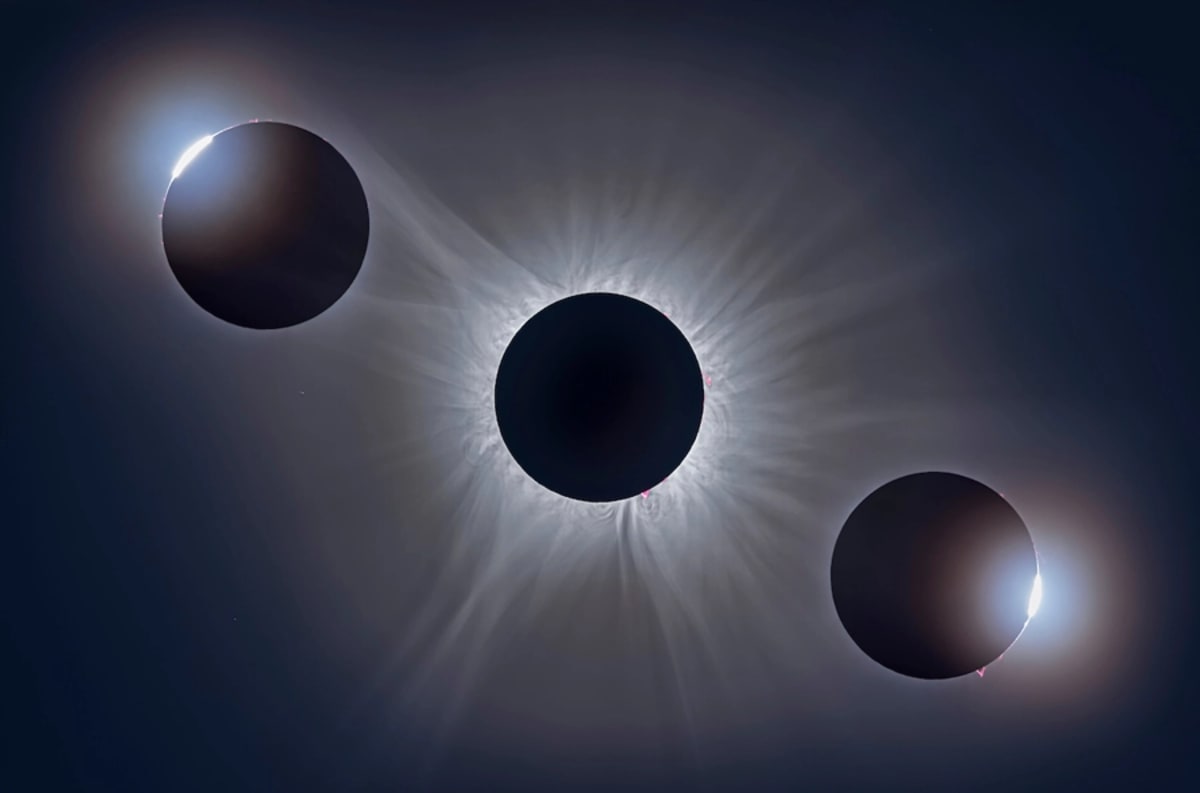
The last time mainland Europe saw a total solar eclipse was August 11, 1999. This time, an entire new generation gets to experience what previous observers described as life-changing: the sudden darkness, the temperature drop, and the sun's corona glowing like a halo in the sky.
Whether you're watching from Spain, peeking through eclipse glasses in Boston, or counting meteors after sunset, August 12, 2026, promises to be a day when the whole world looks up together.
More Images
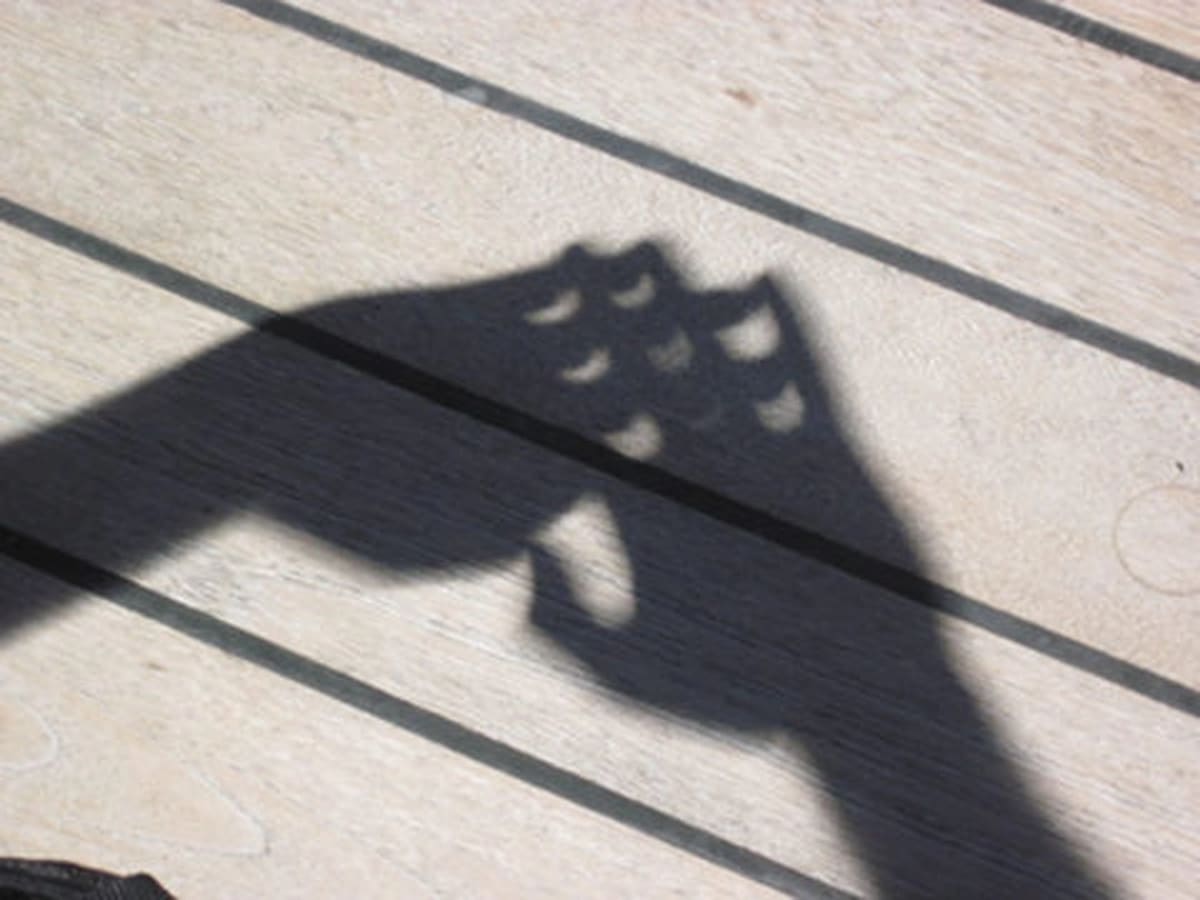
Based on reporting by Sky & Telescope
This story was written by BrightWire based on verified news reports.
Spread the positivity!
Share this good news with someone who needs it