Tourists Help Save Coral Reefs and Sea Turtles Worldwide
A new wave of travelers is ditching sightseeing to become hands-on conservation workers, directly protecting endangered species from Costa Rica to Romania. These programs are turning vacations into powerful tools for saving wildlife and restoring damaged ecosystems.
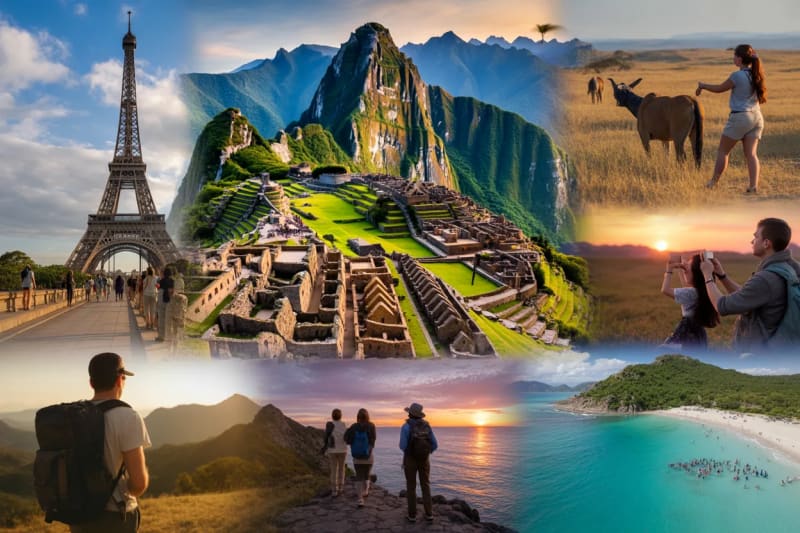
Imagine planting coral with your own hands in French Polynesia or protecting sea turtle nests on a moonlit Costa Rican beach. That's exactly what thousands of travelers are doing as conservation tourism transforms ordinary vacations into meaningful environmental missions.
Conservation travel programs are popping up across the globe, inviting tourists to swap poolside lounging for real scientific work. In Romania's Carpathian Mountains, visitors help rangers track Europe's largest populations of brown bears, wolves, and lynx while preventing illegal logging in ancient forests.
The Foundation Conservation Carpathia is creating what many call a "European Yellowstone" by restoring degraded forests and bringing back lost species. Travelers assist with monitoring camera trap footage, collecting DNA samples, and supporting the reintroduction of European bison and beavers to their historic habitats.
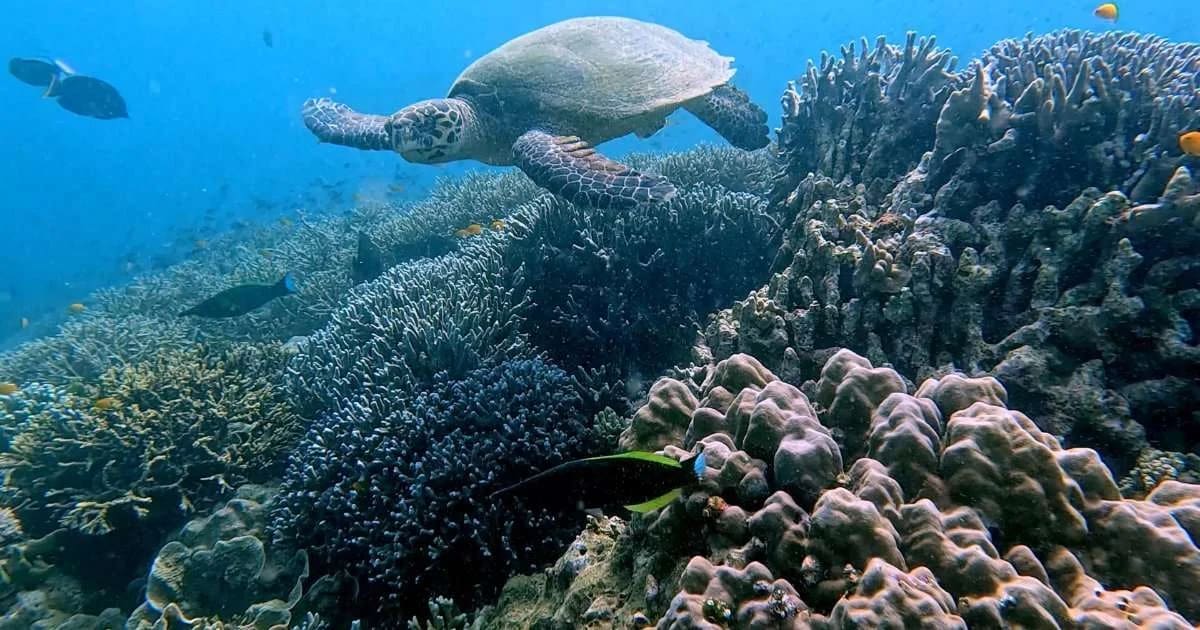
Halfway around the world in French Polynesia, Coral Gardeners teaches tourists to become reef restorers for a day. Participants learn to fragment and grow resilient coral species in underwater nurseries before transplanting them onto bleached reef sections damaged by rising ocean temperatures.
The program uses GPS tracking so travelers can monitor their specific coral's growth long after returning home. Through these eco-tours, thousands of square meters of vibrant reef have been restored in the lagoons of Mo'orea and Bora Bora.
Costa Rica's coastline hosts five of the world's seven sea turtle species, making beach conservation critical. Programs at Ostional Wildlife Refuge rely on international volunteers to conduct nightly beach patrols, protecting nesting mothers and relocating eggs to secure hatcheries where survival rates soar.
Beyond turtle monitoring, participants help with coastal mangrove reforestation and teach marine stewardship to local schoolchildren. Watching hundreds of tiny hatchlings scramble toward the ocean for the first time leaves many volunteers transformed.
The Ripple Effect
These programs create more than just feel-good moments. International wildlife foundations report that direct human involvement significantly strengthens local ecological initiatives, providing funding and manpower that would otherwise be unavailable.
Local communities benefit economically too, as conservation tourism offers sustainable alternatives to extractive industries like logging and fishing. The green economy being built in places like Romania's Făgăraș Mountains proves that protecting nature can also protect livelihoods.
The movement represents a fundamental shift in how people think about travel, transforming tourists from passive observers into active participants in planetary healing. By getting their hands dirty, travelers develop a profound sense of stewardship that extends far beyond their vacation days.
This new generation of conservation travelers is proving that protecting endangered species doesn't require a biology degree, just a willingness to show up and help.
Based on reporting by Google: species saved endangered
This story was written by BrightWire based on verified news reports.
Spread the positivity!
Share this good news with someone who needs it