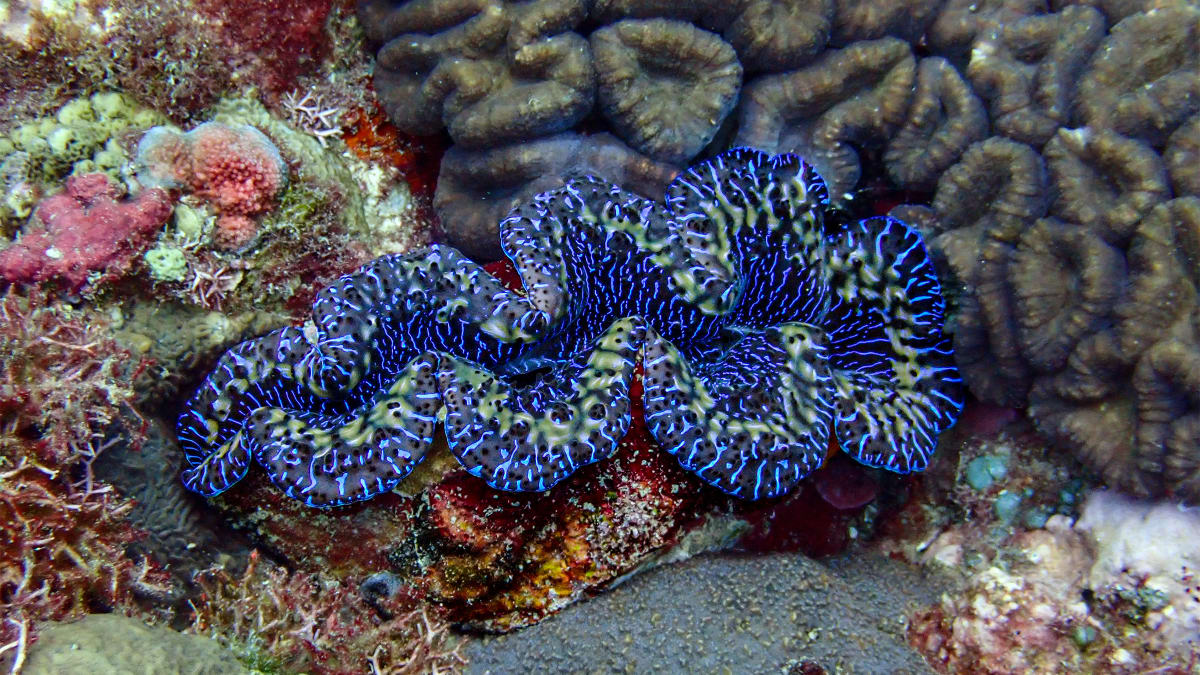
Traditional Samoan Clam Protection Beats Federal Zones
In American Samoa, village-led conservation efforts are protecting giant clams better than federal no-take zones, proving that Indigenous stewardship works. The discovery could reshape how coastal communities protect marine life while honoring cultural traditions.
Giant clams are thriving in American Samoa, and the secret isn't federal protection—it's ancient village wisdom passed down through generations.
A new study found that traditional Samoan conservation methods called fa'asao (fishery closures) are outperforming federally designated no-take zones on the territory's most populated island. Researchers surveyed six islands from 2022 to 2024, comparing clam populations across different management approaches.
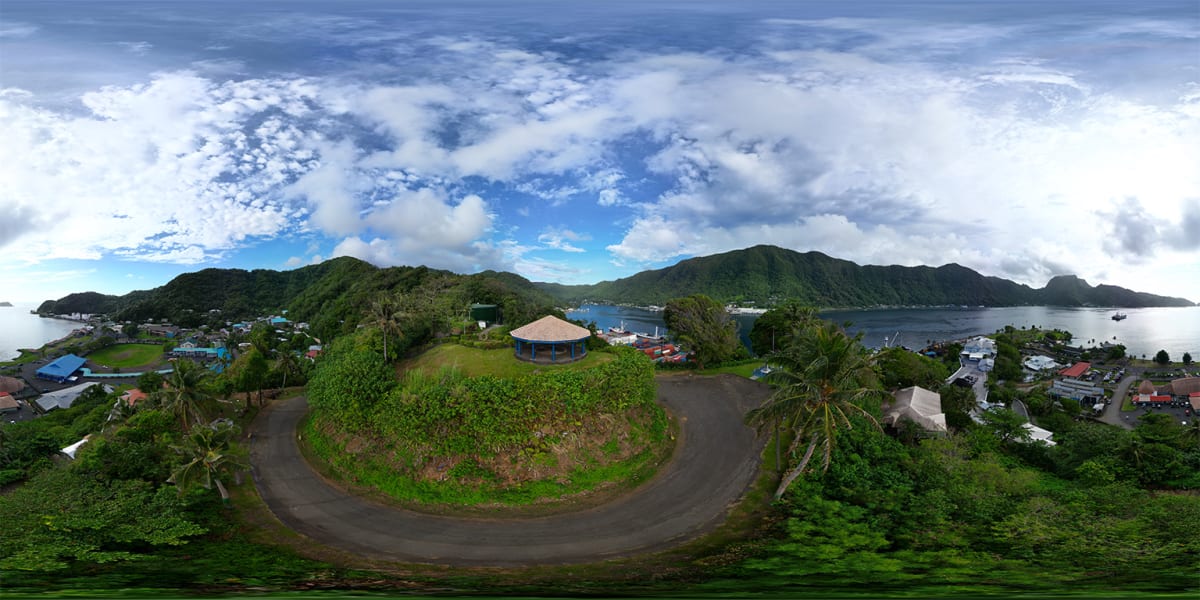
The results tell a powerful story about community-led conservation. On Tutuila, home to 98% of American Samoa's residents, areas managed by villages had more giant clams than federal protected zones. Remote islands like Taʻū and Muliāva showed the highest densities overall, with up to 1,166 clams per hectare compared to just 83 per hectare on busy Tutuila.
"By restoring local stewardship, cultural accountability, and respect for customary marine tenure values, community-led systems like fa'asao have strengthened marine ecosystem conservation," said Dimary Ulberg, an Indigenous Samoan program manager at the Department of Marine and Wildlife Resources.
The traditional approach works because it's woven into fa'a Sāmoa—the Samoan way of life. Village chiefs and community members decide together when to close fishing areas, which species to protect, and what gear to restrict. Everyone follows the rules not because of fines or penalties, but because compliance is part of their cultural identity.
Lead researcher Paolo Marra-Biggs was surprised by how well some populations were doing despite global declines in giant clams. "We found that some areas in American Samoa still supported strong populations, especially where harvest pressure was low or where communities actively managed their reefs," he said.
Giant clams face serious threats from overharvesting, ocean warming, and pollution. They grow slowly and need decades to reach full size, making them vulnerable when too many large individuals—the ones producing the most eggs—get harvested from one area.
The Ripple Effect
The timing matters beyond American Samoa's shores. Federal officials proposed new protections for several giant clam species in 2024 that could ban harvesting entirely. But this study suggests top-down restrictions might not be the answer when communities already have systems that work.
The village-based approach balances conservation with cultural needs. Communities that depend on clam harvesting can continue their traditions while protecting populations for future generations. The method respects local and traditional ecological knowledge built over centuries of living alongside these reefs.
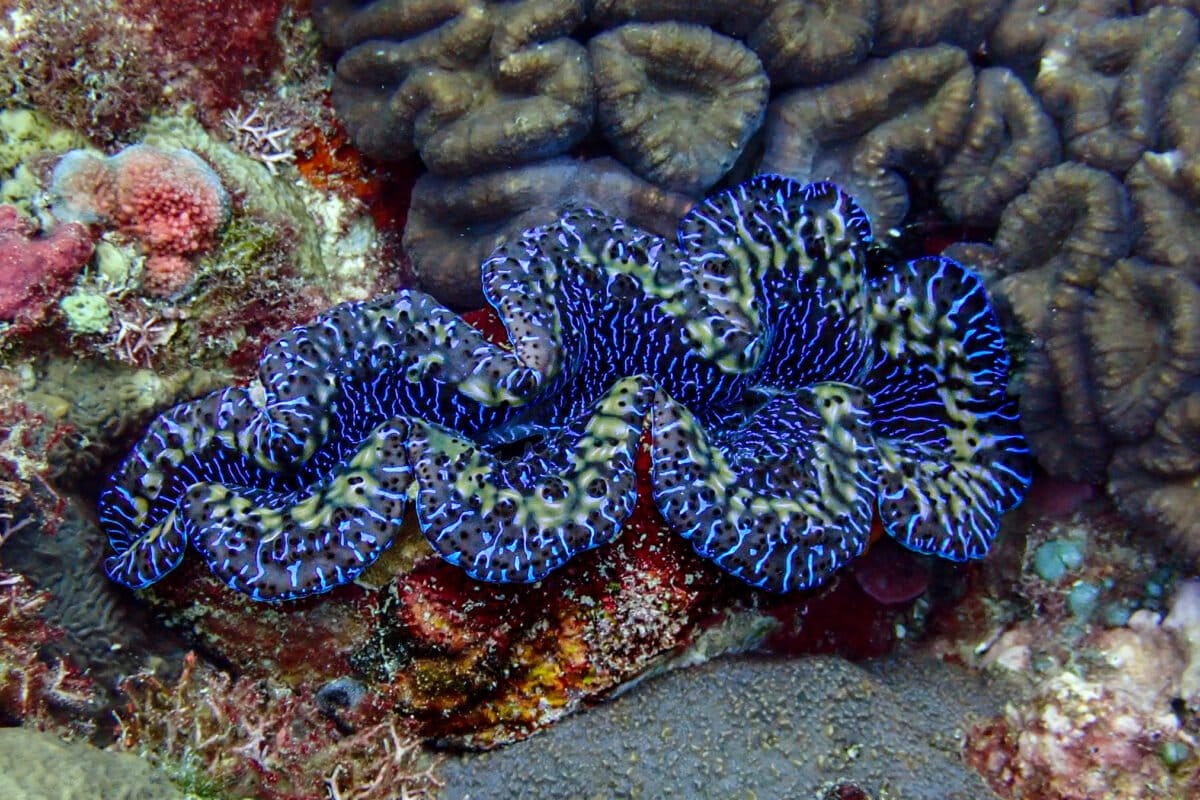
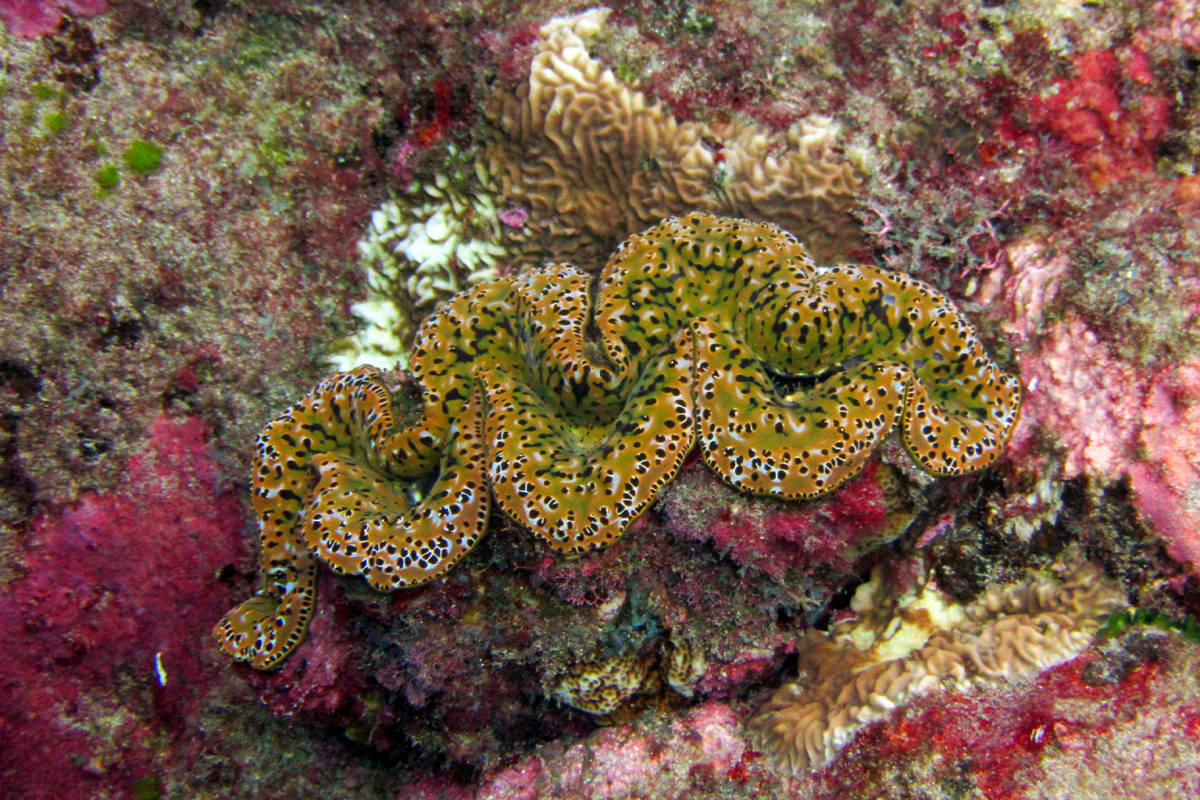
Researchers found three clam species thriving under village management, including small populations of fluted giant clams and Noah's giant clams that exist almost exclusively in community-protected areas.
Other coastal communities worldwide are watching what happens in American Samoa, where ancient practices are proving they can meet modern conservation challenges.
More Images

Based on reporting by Mongabay
This story was written by BrightWire based on verified news reports.
Spread the positivity!
Share this good news with someone who needs it
%2Ffile%2Fattachments%2F2998%2F14147038_376896.jpg)