Translator Brings Holocaust Survivor's Memoir to America
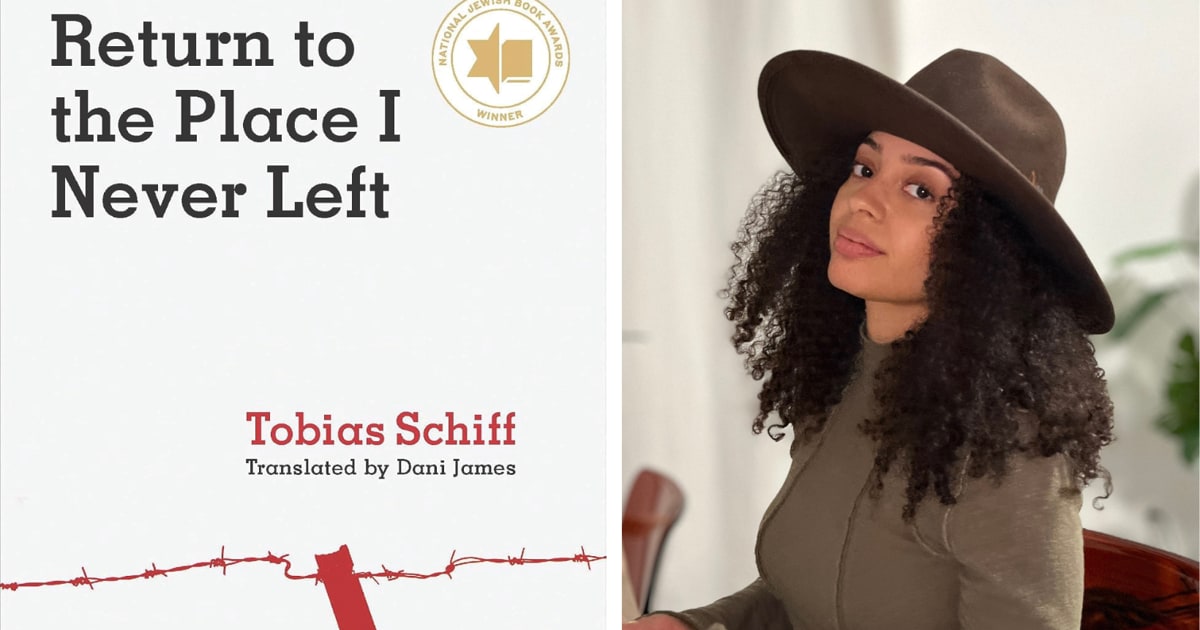
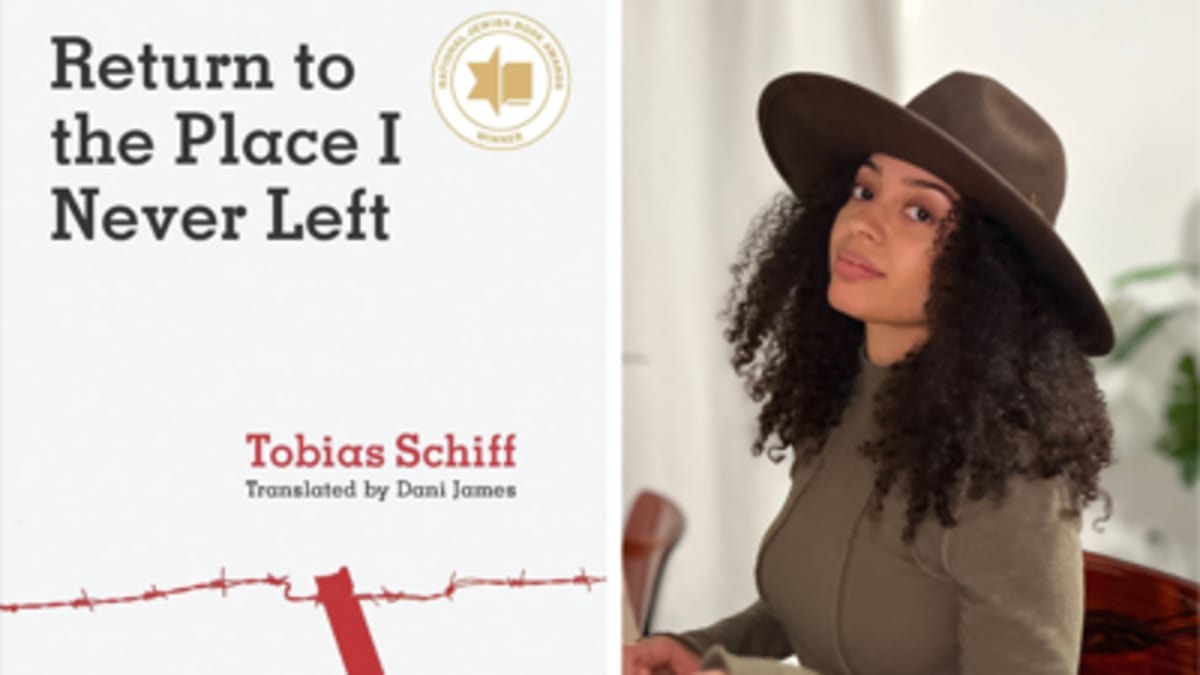
After reading a Holocaust memoir at 15, Dani James spent years translating it from Flemish to English, finally publishing it in 2024. The granddaughter of a Holocaust survivor herself, James overcame literary agents who said "Holocaust stories don't sell" to share Tobias Schiff's powerful testimony with American readers.
Dani James was 15 when a book changed everything for her.
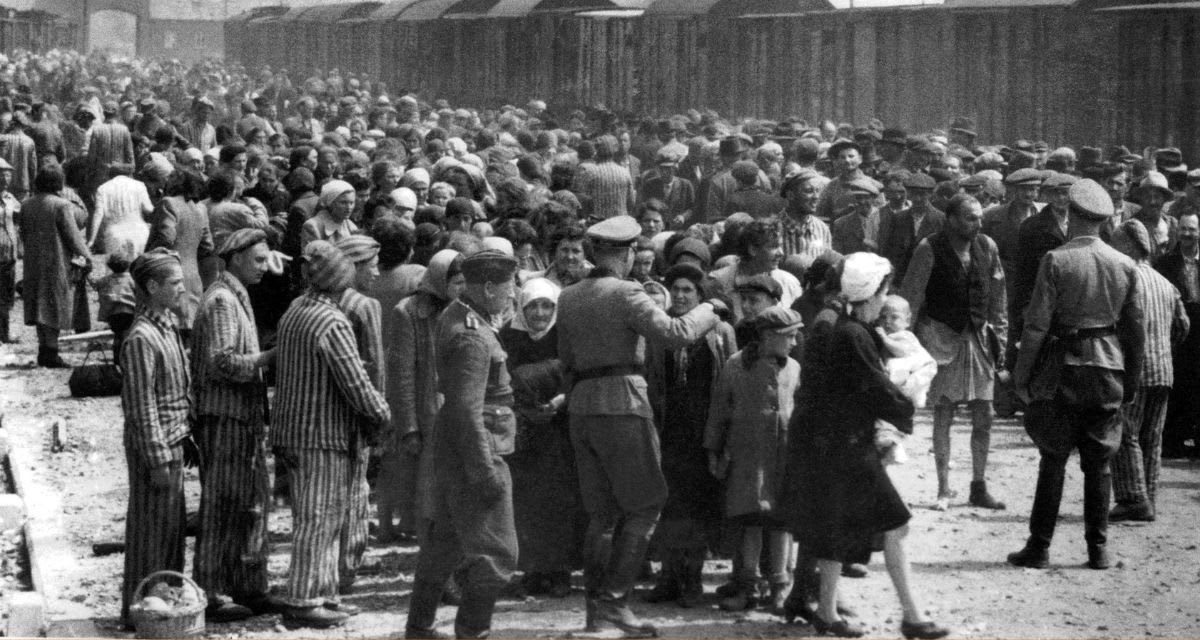
Growing up in Belgium with her grandmother, a Holocaust survivor, James never heard her story. Her grandmother didn't want to talk about those years. But when a family friend gifted them Return to the Place I Never Left, a memoir by survivor Tobias Schiff written in Flemish, James couldn't put it down.
"I read the book again and again," James recalls. "I knew about the Holocaust, but I did not know it like that, the intimate story of a person who went through it."
Born in New York to a Jewish mother and Jamaican father who met in Washington Square Park in the 1980s, James had the cultural and language background to translate Schiff's story. She dreamed of bringing it to English readers for years.
When James applied to The Writers' Foundry MFA program at St. Joseph's University in Brooklyn, her mentor suggested the translation could serve as her graduation project. She completed a draft in 2020 and earned her degree.
That same year, James discovered her grandmother's video testimony with the USC Shoah Foundation. Hearing her grandmother's voice for the first time since her death proved overwhelming. James had to step away from the project for three years.
When she finally felt ready to publish, literary agents shut her down. "Poetry doesn't sell, memoir doesn't sell, and the Holocaust has been written about already," they told her. The project also meant navigating copyright laws in two different countries.
James networked relentlessly, asking mentors and professors for advice. They pointed her to Wayne State University Press, known for publishing boundary-pushing and formerly banned books. The press said yes.
Why This Inspires
Translation is about more than finding equivalent words. James preserved Schiff's colloquial tone and his stylistic choice to use almost no punctuation or capital letters, not even for "nazi."
But she adapted the work for modern American readers. She added white space between sections so readers wouldn't skim past crucial moments. When Schiff wrote that his parents planned to "lay low" when the Germans came, James gave that devastating sentence its own page.
"The words are his; I introduced more white space," she explains.
James moved photographs from the end to throughout the book, knowing today's readers expect visual elements alongside text. She added translator's notes to clarify European historical references unfamiliar to American audiences.
The result is a sibling to the original, not a twin, preserving one survivor's voice while making it accessible to a new generation. James proved that Holocaust stories still matter, still sell, and still need to be told.
More Images


Based on reporting by Google: survivor story
This story was written by BrightWire based on verified news reports.
Spread the positivity!
Share this good news with someone who needs it