Tribes Build $1.5B Solar Future After Feds Cut Funding
After losing $1.5 billion in federal clean energy funding, Native American tribes are pioneering new paths to energy independence through creative financing and community partnerships. Their first major breakthrough: an agrivoltaics project combining solar panels with farming on tribal land.
When the federal government stripped $1.5 billion in tribal clean energy funding last fall, nearly 1,600 projects faced collapse. Instead of giving up, tribes across America are building something better.
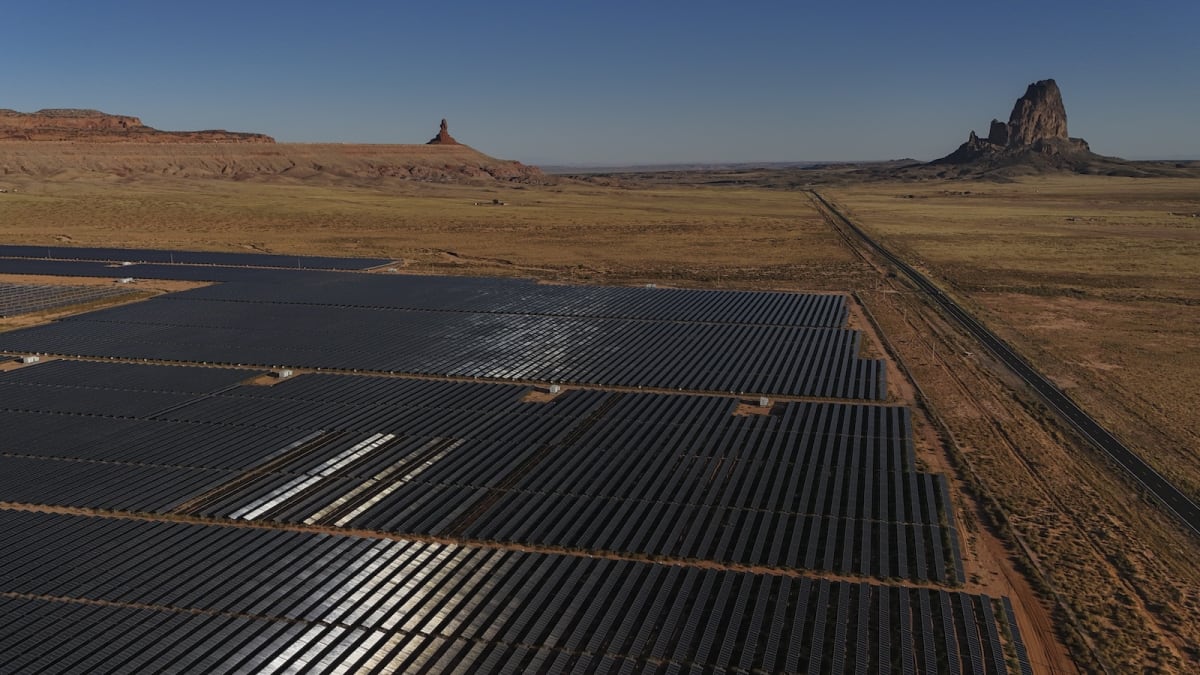
Last week at the Bluewater Resort and Casino in western Arizona, the Colorado River Indian Tribes celebrated their first agrivoltaics project. The innovative system lets farmers grow crops beneath solar panels, generating clean power while preserving agricultural traditions.
"Have they reneged on their promise of our treaties? Yes, of course," said David Harper, a tribal member and CEO of Huurav, the new tribal energy financing organization. "Does that immobilize us? No, what it does is it helps us create a better pathway for ourselves."
The moment represents a turning point for tribal clean energy efforts. After Trump's "One Big Beautiful Bill Act" eliminated funding in October 2024, tribes refused to let their renewable energy dreams die.
They're tapping philanthropy groups like the MacArthur Foundation, securing low-interest loans through community financial institutions, and partnering with nonprofits like the Alliance for Tribal Clean Energy. Huurav joined a special agrivoltaics program run by the National Laboratory of the Rockies and Farmland Trust to learn cutting-edge techniques.
The stakes couldn't be higher. Tribal households pay energy bills 28 percent higher than the national average, according to a 2023 Department of Energy report. The Hopi Tribe and Navajo Nation have the highest rates of homes without electricity in the country.
Many reservations lack reliable power lines, leaving families vulnerable when wildfires and floods strike. Some communities still rely on coal or propane for heat because they have no other options.
The Ripple Effect
The creative financing solutions tribes are developing could transform energy access far beyond reservation boundaries. In Hawaii, Native Hawaiians are using profitable solar projects to reduce sky-high utility bills while reclaiming ancestral lands.
"They're making the case that they can get investors to invest in their landback projects," said Kyle Whyte, a University of Michigan professor and Citizen Potawatomi Nation member. The renewable energy profits help communities govern their land sustainably.
Some tribes are also pursuing geothermal projects, tapping into nearly $172 million in available federal grants. Others seek transmission upgrades backed by $1.6 billion in federal loan guarantees to strengthen their grid connections.
The movement is about more than just electricity. It's about self-determination after centuries of broken promises. When tribes control their own power sources, they control their futures.
Harper's words capture the resilience driving this transformation: "We don't trust the federal government, but we have to work with them to understand that we have to continue in our process of survival and self-sustainability."
Tribal nations are proving that even when Washington turns its back, communities can light their own way forward.
More Images



Based on reporting by Google News - Clean Energy
This story was written by BrightWire based on verified news reports.
Spread the positivity!
Share this good news with someone who needs it