Tribes Build Solar Future After Losing $1.5B in Fed Funds
After the federal government stripped $1.5 billion meant for tribal clean energy projects, Native communities are finding innovative ways to power forward. Through nonprofits, low-interest loans, and creative partnerships, tribes are turning loss into self-determination.
When the federal government pulled $1.5 billion in clean energy funding from nearly 1,600 tribal projects last October, many expected it to end renewable energy dreams across Indian Country. Instead, tribes are building something stronger.
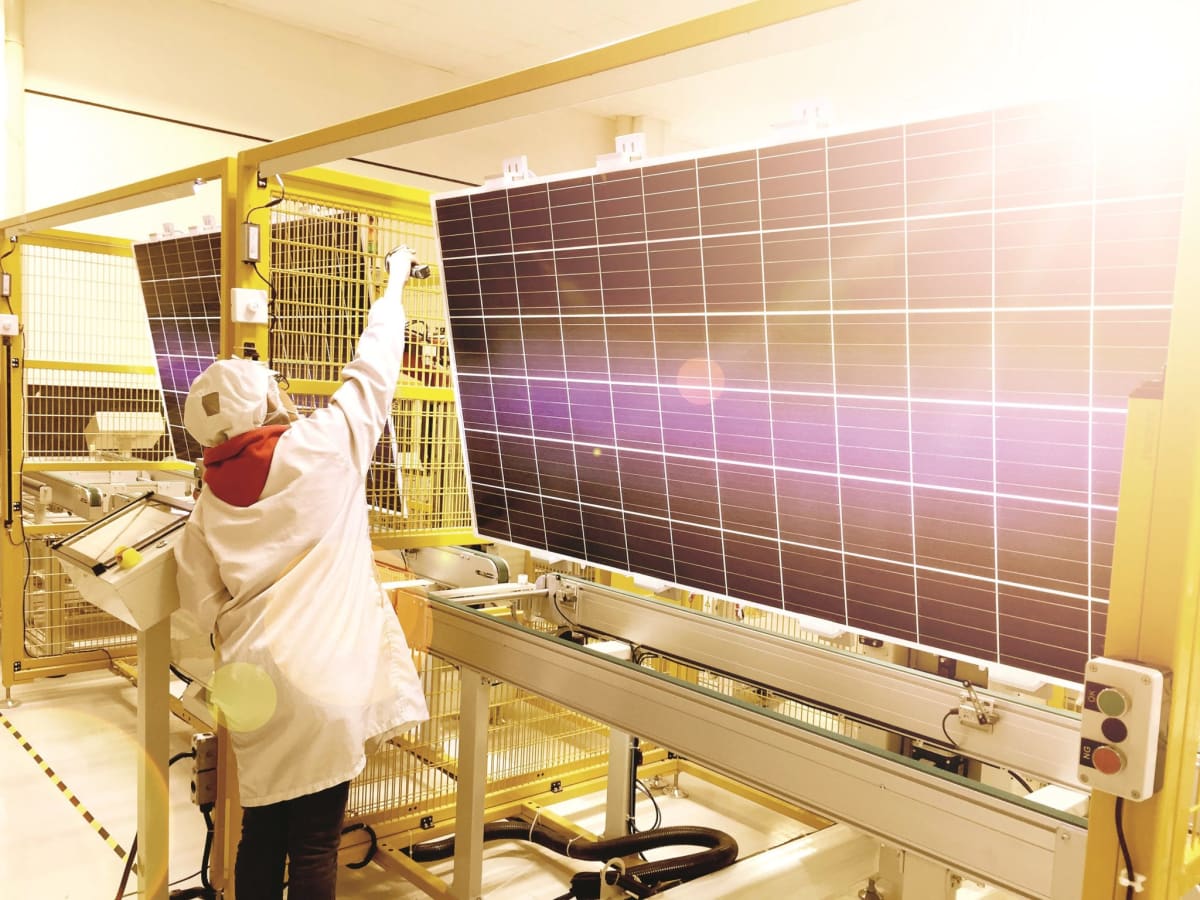
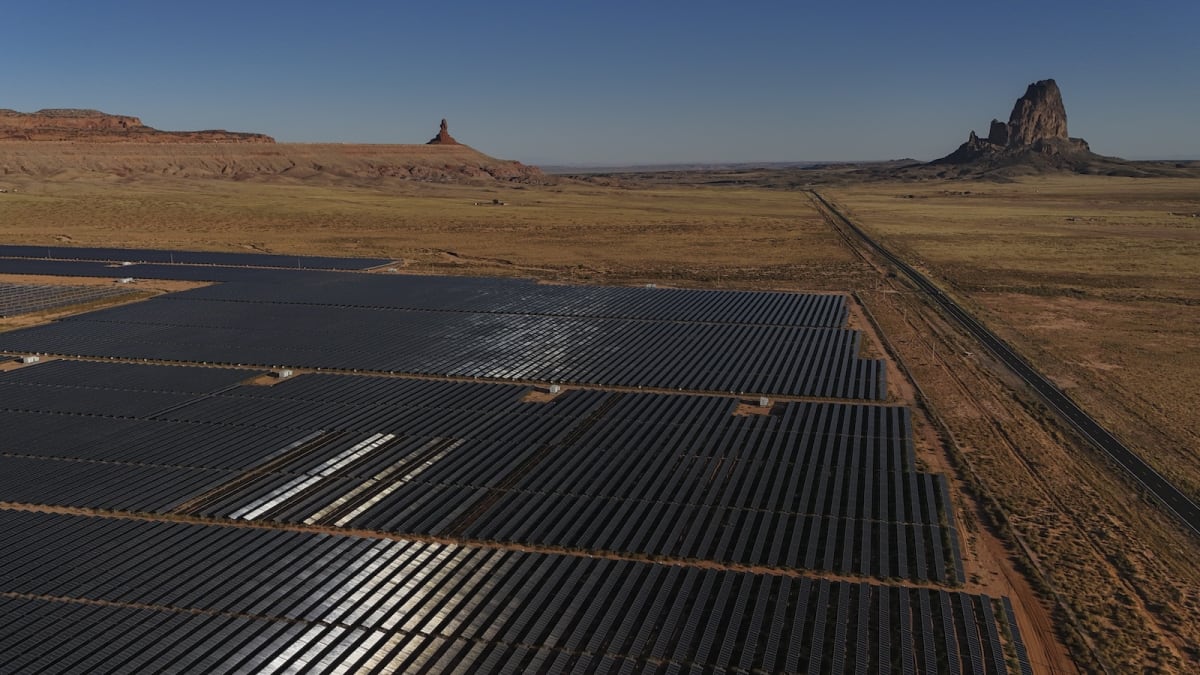
Last week at the Bluewater Resort and Casino in western Arizona, the Colorado River Indian Tribes celebrated their first agrivoltaics project, where crops grow beneath solar panels. The milestone arrived through Huurav, a newly created tribal energy financing organization that's helping tribes navigate the funding crisis.
"Does that immobilize us and not be able to survive?" asked David Harper, Huurav's CEO and Colorado River Indian Tribes member. "No, what it does is it helps us create a better pathway for ourselves."
The funding loss hit hard, but it wasn't unexpected. The Biden-era Inflation Reduction Act had represented historic investment in tribal renewables, but experts knew it wasn't enough to address generations of disinvestment and broken treaty promises.
Now tribes are tapping into alternative sources. The Alliance for Tribal Clean Energy launched its Indigenous Power and Light Fund, backed by the MacArthur Foundation and other philanthropic partners, serving as a critical lifeline for stranded projects.
Community financial development institutions are stepping up too, offering loans to Native-led organizations investing in renewables on tribal land. These creative financing solutions are helping tribes overcome commercial lenders who rarely work in Indian Country.
The need is urgent. A 2023 Department of Energy report found tribal households face energy costs 28 percent higher than the national average, and many communities still lack reliable electricity or depend on coal and propane for heat.
The Ripple Effect
These solar projects mean more than just clean energy. In Hawaii, Native Hawaiians are using profitable renewable projects to reduce sky-high utility bills while simultaneously funding landback initiatives to reclaim ancestral lands.
"They're making the case that they can get investors to invest in their landback projects," said Kyle Whyte, a University of Michigan environmental justice professor and Citizen Potawatomi Nation member. The renewable projects prove tribes can successfully govern returned lands while lowering energy costs for their communities.
The shift to self-funded projects is building something the federal government never could: true energy independence. Tribes are courting sustainable investors, forming partnerships with conservation nonprofits, and leveraging expertise from programs like the National Laboratory of the Rockies.
Some tribes are also pursuing federal geothermal funding and transmission upgrades that align with current administration priorities, showing flexibility in their path to energy sovereignty. The goal remains the same regardless of the funding source.
For Harper and countless tribal leaders, this moment isn't about trusting the federal government. It's about survival, self-sustainability, and creating a resilient energy future on their own terms.
More Images



Based on reporting by Grist
This story was written by BrightWire based on verified news reports.
Spread the positivity!
Share this good news with someone who needs it