Trump Orders $50M Push to Fast-Track Psychedelic Therapies
A sweeping executive order is accelerating psychedelic research for mental health treatment, unlocking funding and pathways that researchers have sought for years. The question now: Can scientists deliver on the promise fast enough to help those in crisis?
After a decade of studying psychedelics as mental health treatments, psychiatry professor Peter Hendricks had two immediate reactions to President Trump's executive order on psychedelic medicines: relief that barriers were finally falling, and concern that his field might not be ready for what comes next.
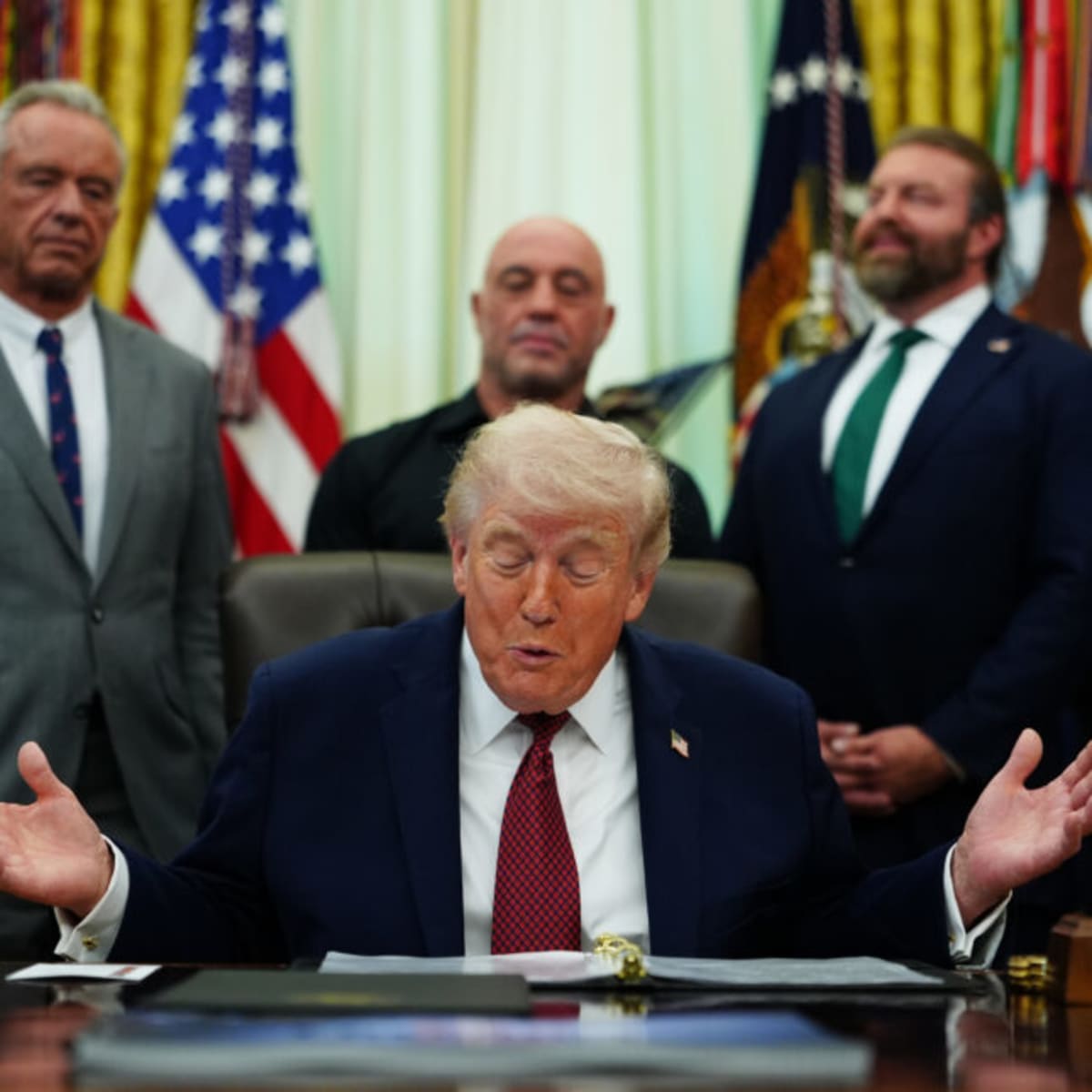
The executive order represents the biggest shift in psychedelic research in decades. It directs the FDA to speed up approval timelines, opens pathways for ibogaine treatment, dedicates $50 million to psychedelic research, and launches collaboration with Veterans Affairs to develop therapies for veterans.
The FDA has already responded, issuing priority review vouchers to companies developing psilocybin programs and clearing the first U.S. clinical trial of an ibogaine derivative. Years of regulatory roadblocks are suddenly disappearing.
The timing matters deeply. Suicide is the second leading cause of death for Americans ages 10 to 24. An estimated 17 veterans take their own lives every day. For these populations, waiting another decade for cautious approvals could mean tens of thousands of preventable deaths.
Some psychiatric organizations worry about rushing the science, but Hendricks argues the order doesn't lower safety standards. It simply creates the political will to generate proof that funding constraints and scheduling barriers have blocked for years.
The Bright Side
The real work starts now, and researchers know exactly what needs fixing. When the FDA rejected MDMA for PTSD in 2024, the agency flagged legitimate concerns about trial design, inconsistent therapy protocols, and questions about lasting effects.
Now that clear guidance exists, scientists have a roadmap. Companies are already adapting, with some pursuing therapy-intensive models requiring trained clinicians, while others test drug-focused approaches that look more like traditional psychiatry.
The workforce challenge is enormous but solvable. If therapy-heavy protocols become standard, tens of thousands of psychedelic therapists will need training over the next decade. Reimbursement systems, billing codes, and insurance pathways must be built before approvals happen, or only wealthy patients will benefit initially.
Researchers are also addressing past failures in diversity. Early psychedelic trials disproportionately enrolled affluent white participants, missing the communities hardest hit by addiction and mental illness. The new federal funding includes requirements for state matching, creating leverage to prioritize vulnerable populations.
The opening researchers have fought for has arrived, bringing both opportunity and accountability.
More Images



Based on reporting by STAT News
This story was written by BrightWire based on verified news reports.
Spread the positivity!
Share this good news with someone who needs it