Tulsa High Schoolers Pitch Real Solutions for $1,500 Prizes
Over 140 Oklahoma high school students spent eight weeks solving real community problems, from affordable wheelchairs to friendship-building games, competing for cash prizes. The University of Tulsa's first Innovation Challenge turned classroom learning into entrepreneurship experience that could expand statewide.
Most high school projects end with a grade and get filed away. This spring, 140 Broken Arrow students ended theirs by pitching real solutions to community judges for $1,500 in prize money.
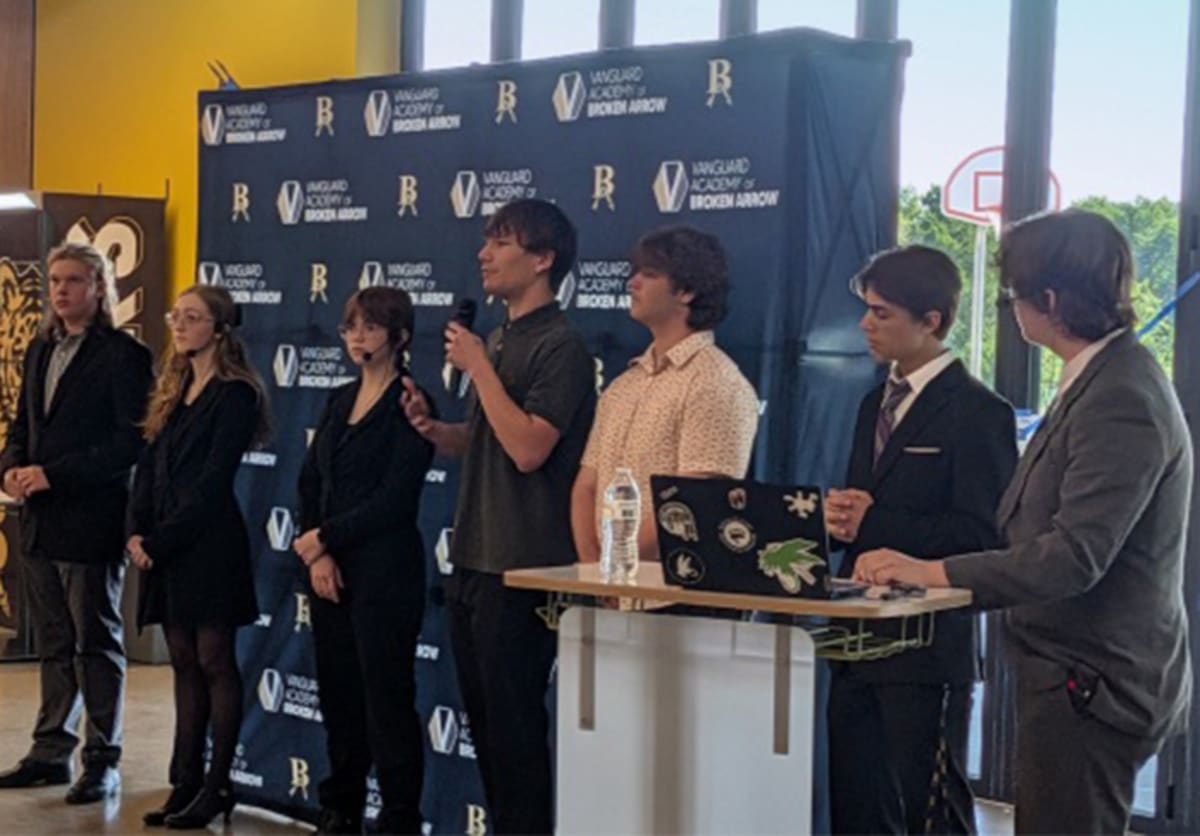
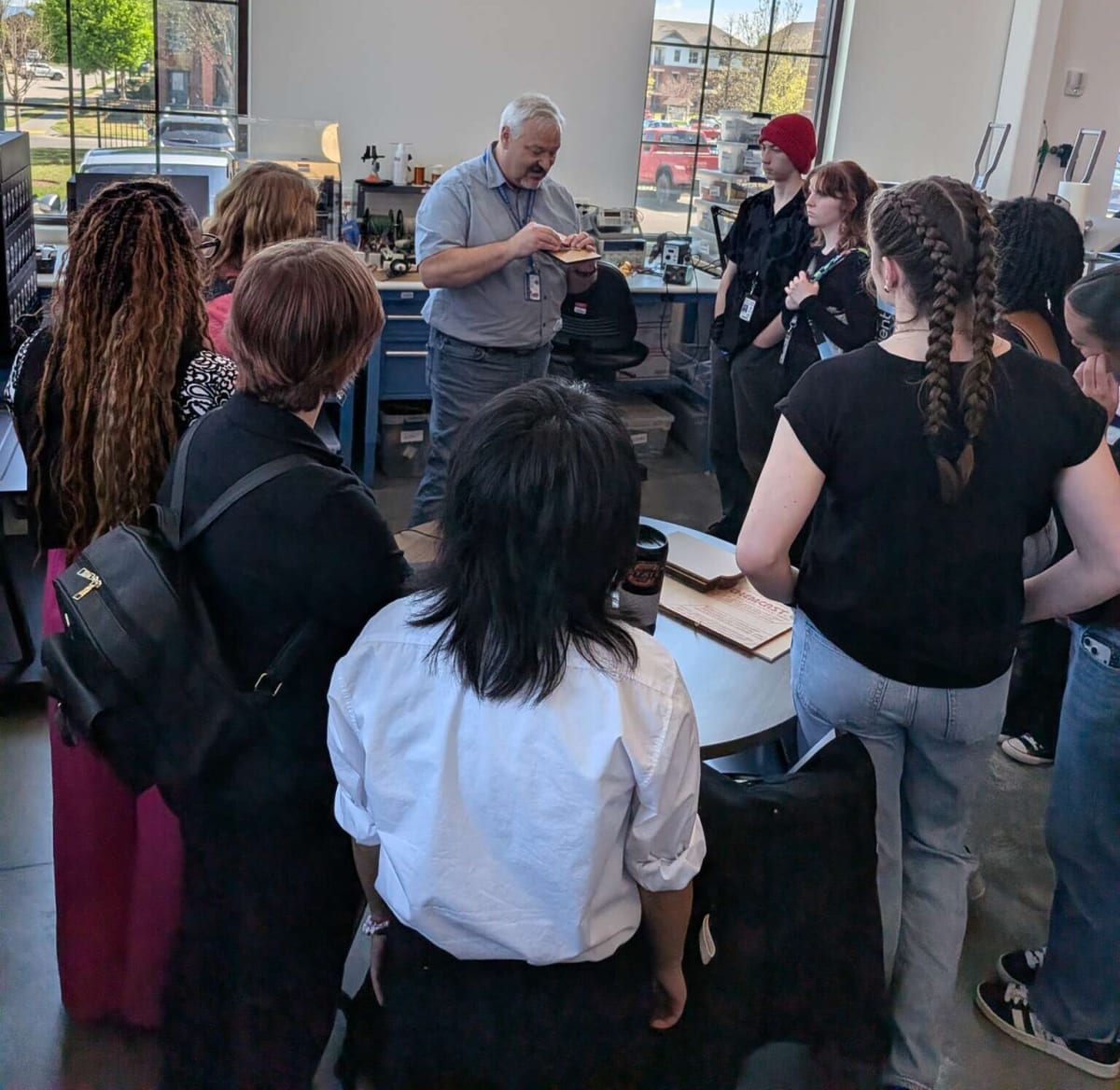
The University of Tulsa's Center for Innovation and Entrepreneurship launched its first Innovation Challenge in partnership with Vanguard Academy and GenCEO, a Tulsa youth organization. Students spent eight weeks identifying problems in their community, interviewing potential customers, and building actual prototypes using AI development tools.
Twenty-three teams presented solutions ranging from battery-powered wheelchairs designed to be more affordable than current models to card games that help students build friendships during breaks. One wheelchair team created blueprints, competitive analysis, and prototype designs based on interviews with users. Another team focused on social connection developed a card game for informal classroom time that encouraged conversations around shared interests.
The program walked students through the full entrepreneurial process. They created empathy maps to understand user needs, conducted customer discovery interviews, and used the Business Model Canvas to define their value propositions. Six finalist teams advanced to compete for the top prize.
Chris Wright, UTulsa's assistant vice president for innovation and entrepreneurship, said the quality of ideas exceeded expectations. "What they came up with in such a short period of time really blew me away," Wright said. The initiative supports UTulsa's goal to increase the pipeline of founders in Oklahoma, building on the university's recent investments in 15 companies that created $100 million in economic impact across the Tulsa region.
The Ripple Effect
Mandi Ford Argo, co-founder of GenCEO, noted students demonstrated thinking skills she rarely sees in adult entrepreneurs. "I've worked with enough early-stage adult founders that don't do that," she said. "The fact that it was high schoolers who went that far was really impressive."
Vanguard Academy STEM educator Reese Hundley saw the biggest impact in how students approached learning itself. Students shifted from completing assignments to owning problems and creating solutions. "Programs like this allow students to see purpose in what they're doing," Hundley said.
The pilot's success is already expanding. Wright announced plans to bring the Innovation Challenge to additional high schools across Tulsa and the broader region next year. By spring, winning teams from each participating school will compete at a Regional High School Innovation Challenge hosted at UTulsa.
The program demonstrates what happens when students get tools, trust, and real stakes to solve problems that matter to their communities.
More Images
Based on reporting by Google News - School Innovation
This story was written by BrightWire based on verified news reports.
Spread the positivity!
Share this good news with someone who needs it