Tulsa's $10M Reconciliation Center to Open Dialogue Space
A new 7,000-square-foot facility will finally give the John Hope Franklin Center for Reconciliation a physical home after 17 years of transforming how communities talk about race. The $10 million building will host conversations, exhibits, and educational programs that turn painful history into healing dialogue.
After nearly two decades of bringing people together without a building to call home, Tulsa's John Hope Franklin Center for Reconciliation is breaking ground on a permanent space designed for difficult conversations.
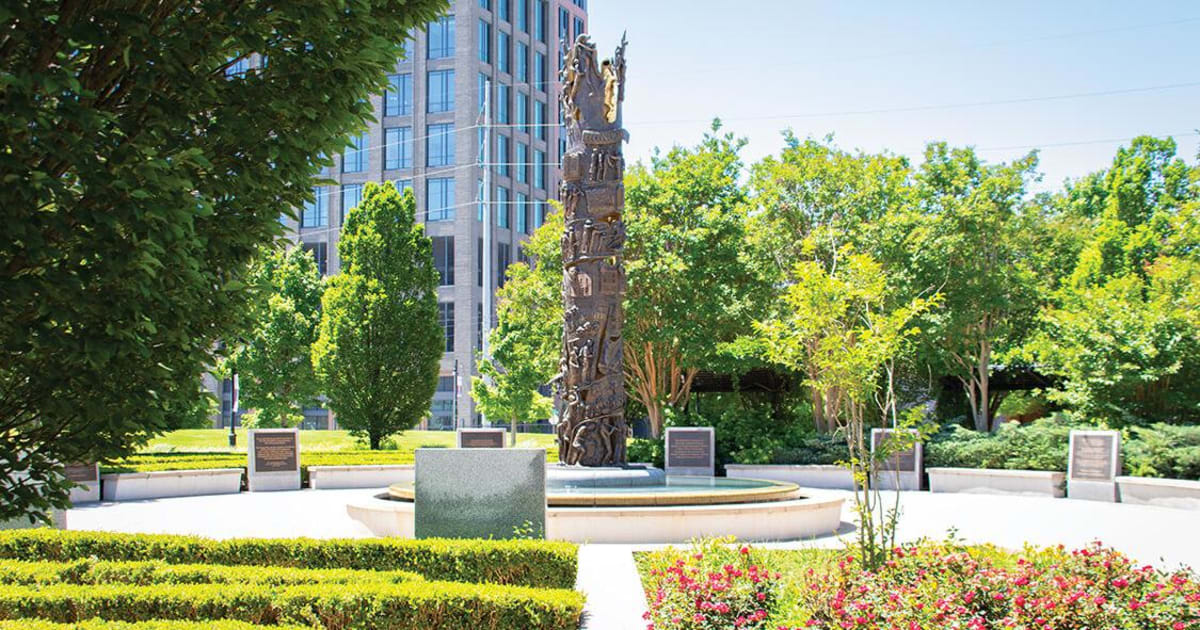
The nonprofit announced plans for a $10 million, 7,000-square-foot facility in John Hope Franklin Reconciliation Park. Since 2007, the center has worked to bridge racial divides in a city still healing from the 1921 Tulsa Race Massacre, but staff have operated without dedicated office space or room for programming.
Executive Director Reuben Gant, who helped found the organization, says the building was always part of the vision. "We use the park as a foundation to honor the memory of the 1921 Tulsa Race Massacre," he explains, "but the broader picture is to unveil an untold story and the legacy of a community that thrived when all odds were against them."
The new facility will house gallery space for exhibits about Greenwood's history, classrooms for dialogue programs, and a developing library collection. More importantly, it will provide a dedicated venue for monthly conversation series where people can explore topics like race, history, and healing.
When the center launched, Gant says no other local organization was willing to discuss race openly in public forums. The center took on that challenge, believing that education and understanding past relationships are essential paths to reconciliation.
Director of Outreach Vanessa Adams-Harris describes the work as "asking ourselves to remember who we are as human beings." She emphasizes that once people communicate and understand each other better, "it's in that 'little bit better' that we can breathe and move forward together."
The Ripple Effect
The center has already created impressive programming without a permanent home. Its national symposium is now in its 17th year, and the annual Reconciliation Dinner brings nationally prominent speakers to Tulsa. The park itself has earned recognition as a Literary Landmark and became part of the African American Civil Rights Network in 2020.
The new building joins a global movement. John Hope Franklin Reconciliation Park is part of the International Coalition of Sites of Conscience, a network of over 230 sites in 55 countries that transform places preserving the past into spaces promoting civic action.
Adams-Harris notes the building "complements the forward direction that Tulsa has been moving toward for some time" and supports the growth of survivors and their descendants. The facility will help answer fundamental questions about where harm was done and when healing can begin.
With a physical home, the center can expand its reach beyond the park's tree-filled green space and into structured dialogue that helps a divided community find common ground.
More Images


Based on reporting by Google News - Reconciliation
This story was written by BrightWire based on verified news reports.
Spread the positivity!
Share this good news with someone who needs it