Turkey-Sized Baby Dinosaur Found in South Korea After 15 Years
South Korean researchers discovered the first new dinosaur species in the country in 15 years, complete with rare skull fossils hidden inside rock. The tiny creature, named Dooly after a beloved cartoon character, is revealing secrets about ancient life through cutting-edge scanning technology.
A tiny fossil pulled from shoreline rocks on South Korea's Aphae Island just became the country's most important dinosaur discovery in over a decade. The turkey-sized baby dinosaur represents the first new species found in Korea in 15 years and the first Korean dinosaur fossil ever discovered with skull pieces still intact.
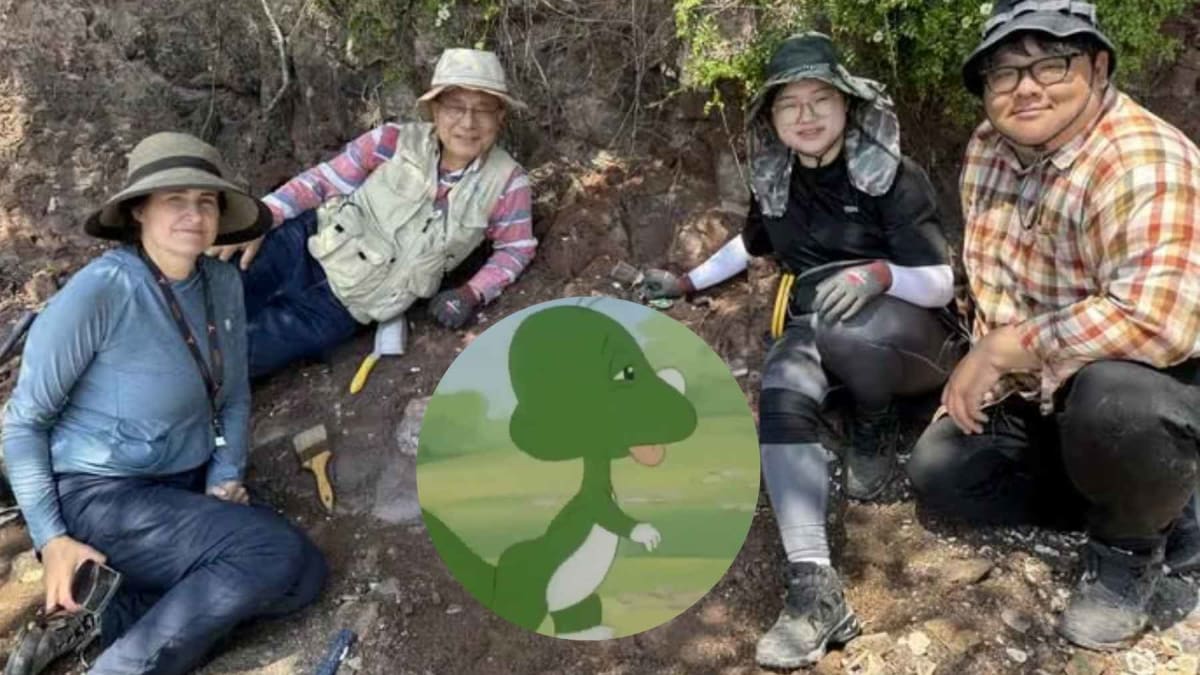
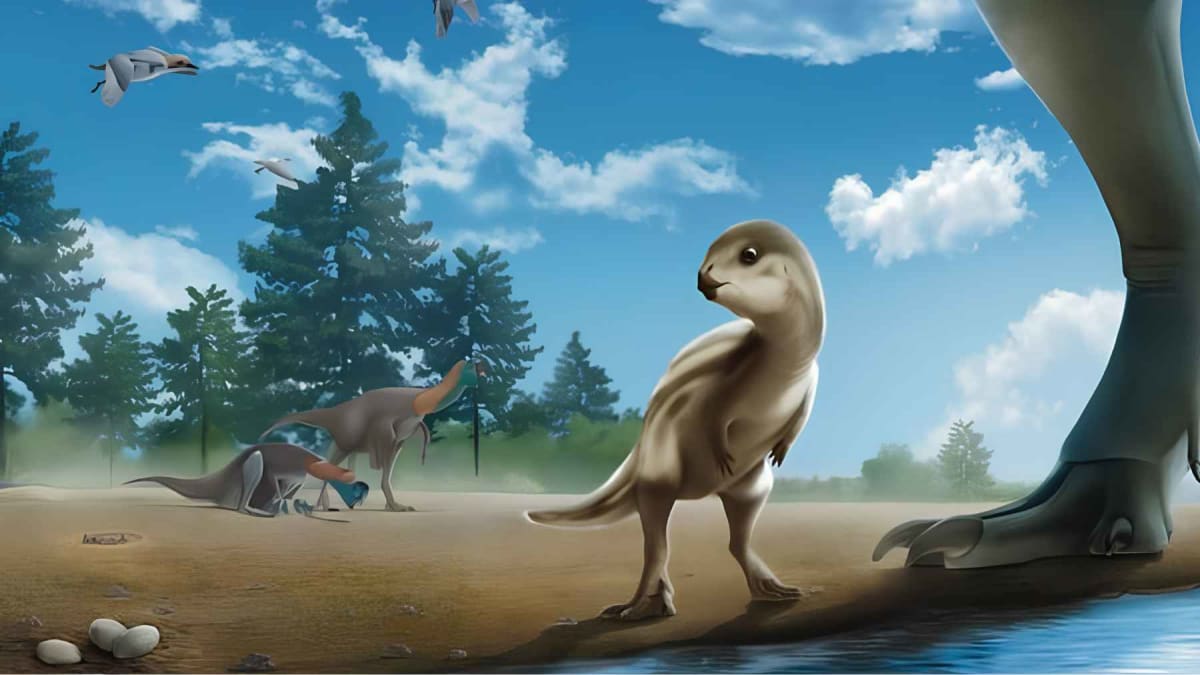
Meet Doolysaurus huhmini, named after a beloved Korean cartoon dinosaur and paleontologist Min Huh, who has spent decades protecting Korea's fossil sites. The two-year-old dinosaur died roughly 94 to 113 million years ago during the mid-Cretaceous period, and it might have looked adorable.
"I think it would have been pretty cute," said study co-author Julia Clarke. "It might have looked a bit like a little lamb," possibly covered in fuzzy filaments instead of scales.
The discovery almost didn't happen. When researcher Hyemin Jo found the specimen in 2023, only a few leg bones and vertebrae were visible in the hard rock. The team estimated it would take nearly a decade to carefully chip away the stone without destroying the fragile bones inside.
Instead, they turned to high-resolution micro-CT scanning at the University of Texas. The 3D X-ray technology let them see inside the rock without breaking anything. Within months, the scans revealed a treasure: a nearly complete skeleton with skull bones that can make or break a dinosaur identification.
The scans also revealed dozens of small stones clustered together. These gastroliths, or stomach stones, help grind food and suggest Doolysaurus may have been an omnivore, munching on plants, insects, and other small animals.
The Ripple Effect
This discovery changes more than textbooks. South Korea is famous for dinosaur footprints, nests, and eggs, but actual bones are remarkably rare. The success of this find suggests Korea's bone shortage might be a visibility problem, not a true absence.
Lead researcher Jongyun Jung is already planning more fieldwork on Aphae Island, and he believes micro-CT technology could reveal more skeletons hiding in plain sight inside hard rocks across the region. What looks like empty stone could hold complete prehistoric animals waiting to be discovered.
Baby dinosaur fossils like this one are especially valuable because they preserve growth patterns that adults lose as their bones fuse. They fill in the ecological middle of ancient food webs, showing us the smaller creatures that lived between the giants and the apex predators.
The discovery also honors ongoing conservation work. Min Huh has worked with UNESCO to preserve dinosaur fossil sites in Korea, connecting scientific discovery to protecting natural heritage for future generations. Once a fossil site is damaged by development or careless collecting, that lost context can never be rebuilt.
Modern technology just opened a window into Korea's prehistoric past that scientists thought might be permanently closed.
More Images


Based on reporting by Google: fossil discovery
This story was written by BrightWire based on verified news reports.
Spread the positivity!
Share this good news with someone who needs it