Turkey Uncovers Best-Preserved Image of Christ Ever Found
Archaeologists in Turkey have discovered the most well-preserved early painting of Jesus ever unearthed, dating back 1,800 years. The breathtaking find is just one of dozens of recent discoveries revealing how Christianity blossomed across ancient Anatolia.
The face of Christ stares back through time with stunning clarity, his features as sharp today as when they were painted 1,800 years ago.
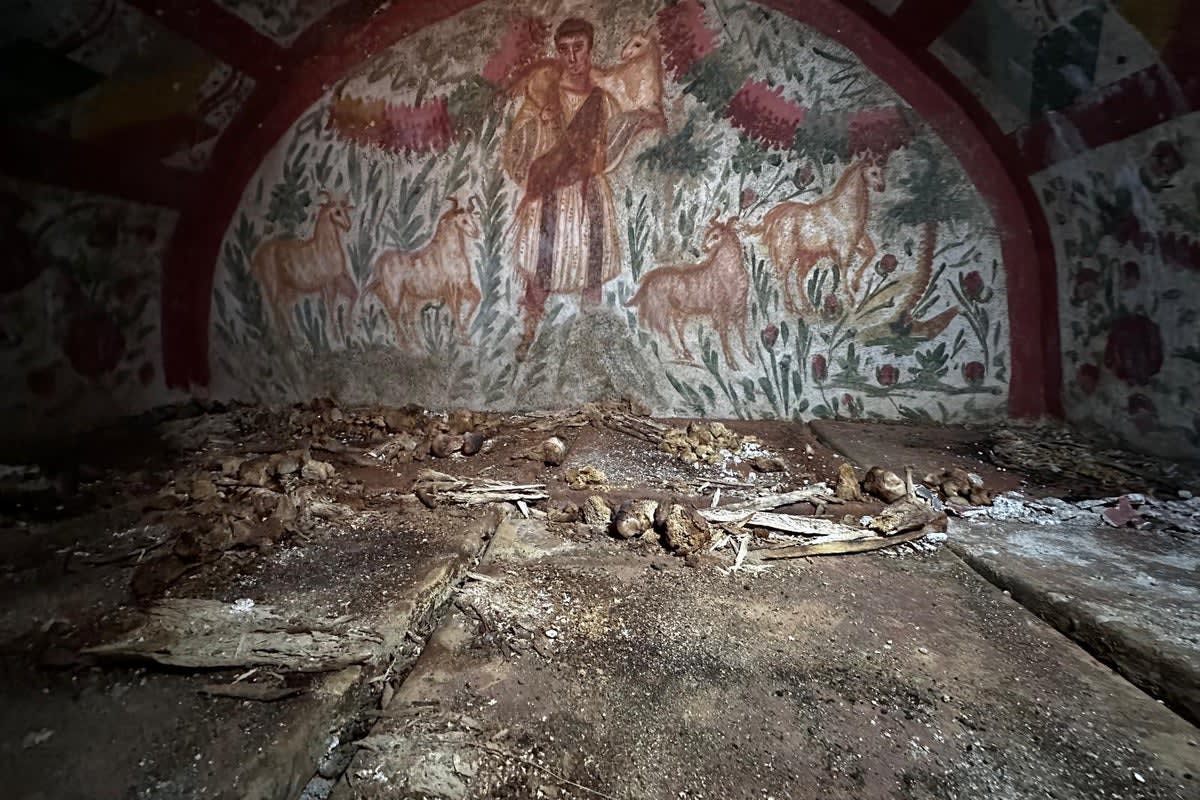
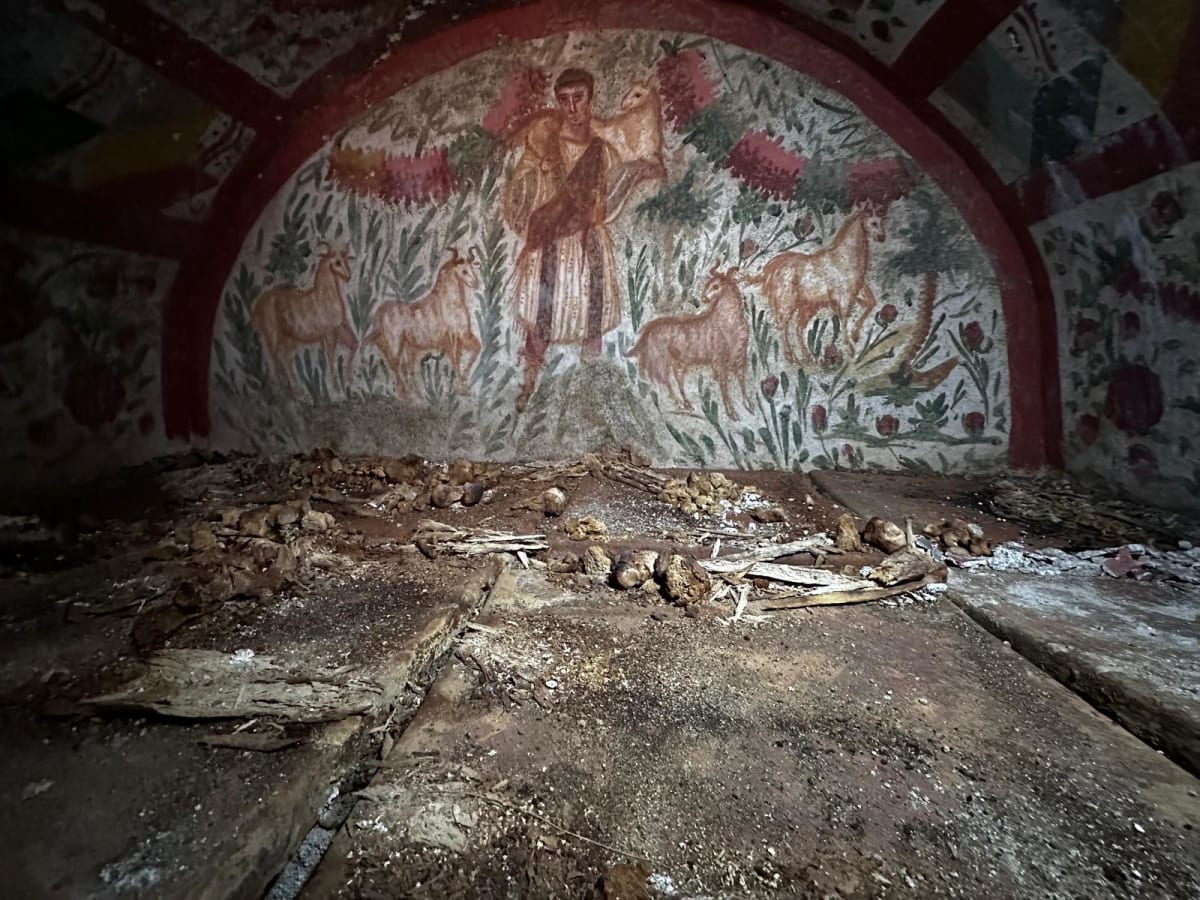
Discovered in the Turkish city of Iznik, the image shows Jesus as the Good Shepherd, beardless and dressed in elegant Roman clothing, carrying a ram across his shoulders. Sealed inside an oxygen-depleted underground tomb, the fresco's pigments survived in virtually perfect condition, making it the best-preserved early image of Christ ever found.
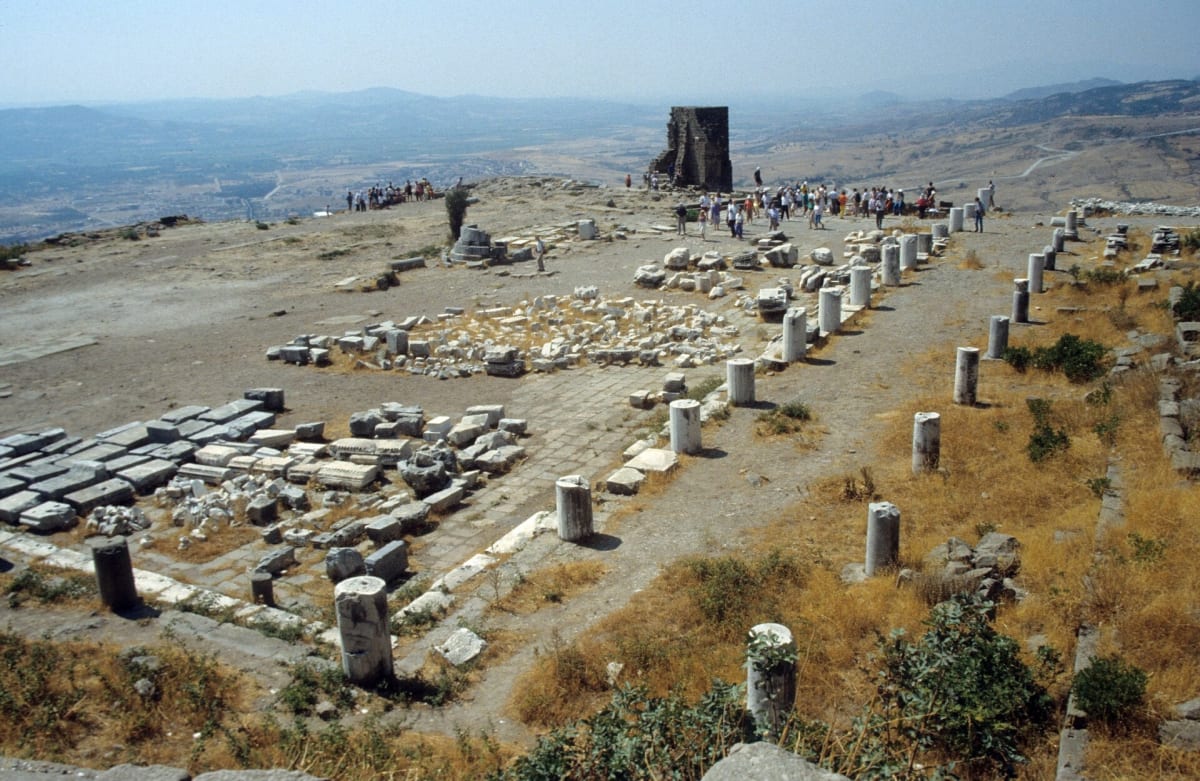
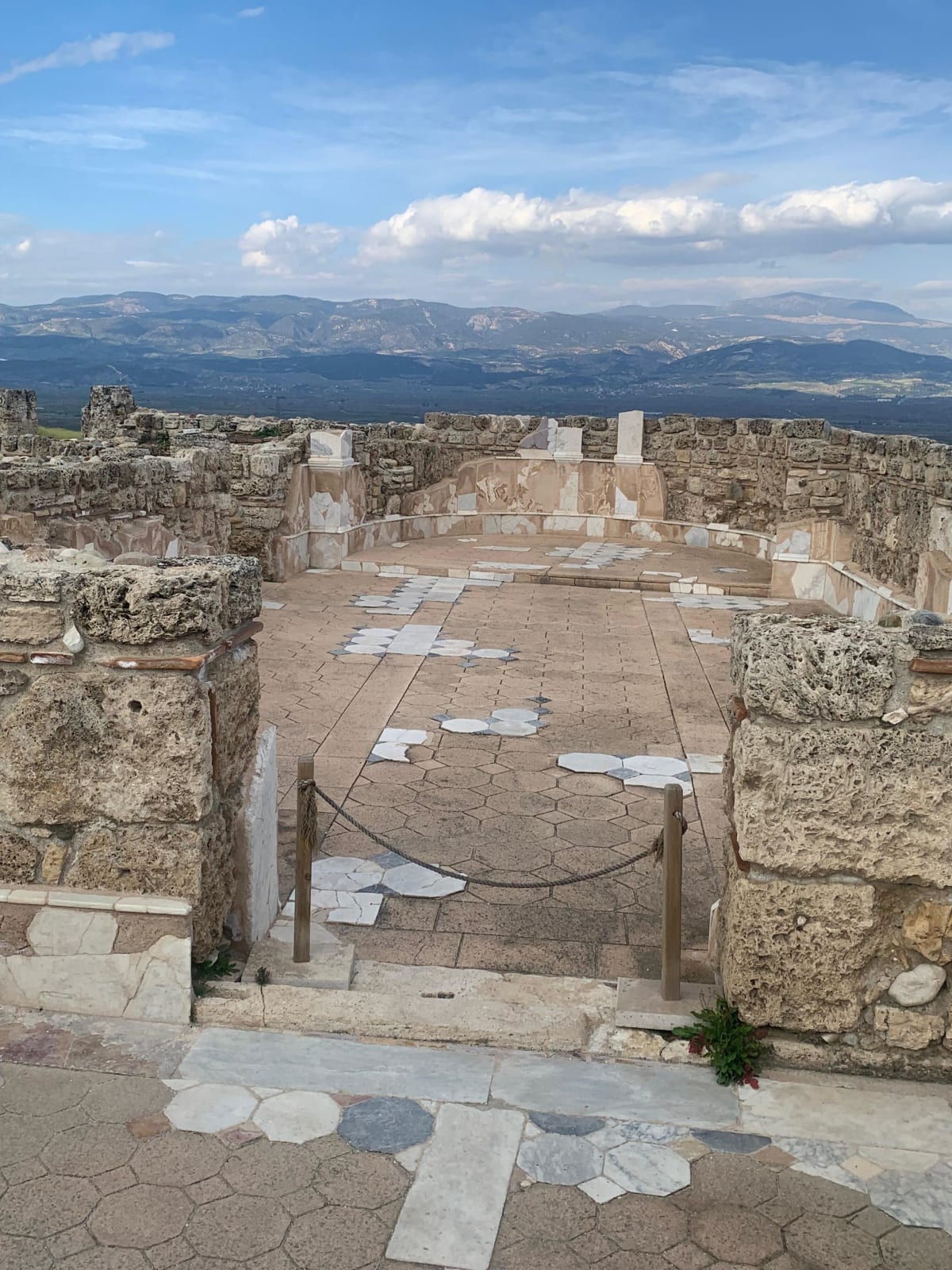
The discovery is part of an archaeological treasure trove emerging across Turkey. Over the past two years, researchers have uncovered at least a dozen previously unknown churches from the fourth and fifth centuries AD. They've also found ancient Christian tombs, inscriptions, and one of the earliest depictions of Saint George in the historic city of Pergamon.
These finds are rewriting our understanding of Christianity's explosive growth across ancient Anatolia, the region that is now modern-day Turkey. Within just three centuries, Christianity transformed from a small persecuted sect into the official religion of the Roman Empire.
The Iznik fresco offers historians an intimate window into how early Christians saw Jesus. His short-cropped hair, clean-shaven face, and upper-class Roman attire challenge many modern assumptions about his appearance.
The Ripple Effect
New research is revealing why Anatolia became such fertile ground for Christianity's spread. Studies show that Christian communities likely experienced lower death rates from illness than pagan neighbors, partly due to their innovative social care systems that attracted converts.
Even persecution paradoxically helped the faith grow. Christian martyrdom, though probably less common than traditionally believed, created powerful stories that drew supporters.
The discoveries also shed light on the Book of Revelation, written around 90 AD. Recent excavations in the seven Turkish cities mentioned in that Biblical text have uncovered extraordinary evidence of early Christian life, including ancient house churches used before the first purpose-built churches existed.
Among the most fascinating finds are massive statues of Roman emperors, some reaching 4.5 meters tall. Their discovery helps explain Christianity's appeal as an alternative to emperor worship, which was spreading rapidly across the region during the same period.
Each new artifact pulled from Turkish soil reveals another piece of how a revolutionary idea about love and community transformed the ancient world.
More Images
_(2).jpeg)
Based on reporting by Google: archaeological discovery
This story was written by BrightWire based on verified news reports.
Spread the positivity!
Share this good news with someone who needs it