Turn Kitchen Scraps Into Cooking Gas at Home for $65
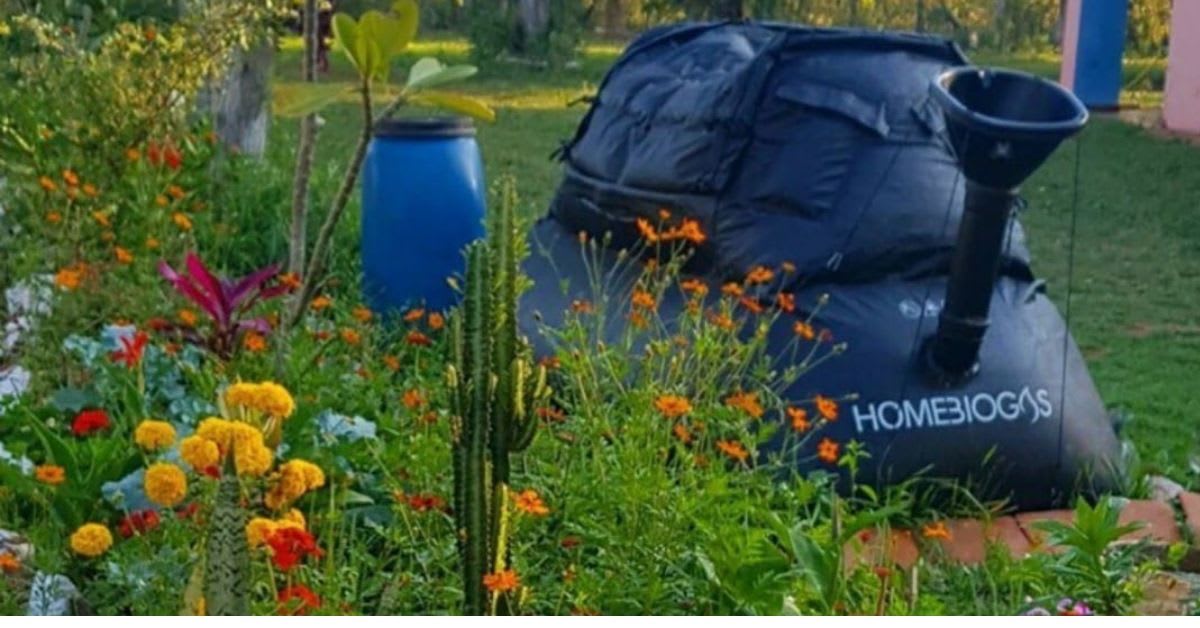
A simple biogas setup can convert your daily food waste into fuel for cooking while slashing your gas bills. Here's how families across India are building their own renewable energy systems right in their backyards.
Your vegetable peels, fruit scraps, and leftover rice could power tonight's dinner instead of ending up in the trash.
Biogas plants are helping households break free from rising LPG costs by turning organic waste into cooking fuel. When India's petroleum minister announced a 50-rupee price hike on gas cylinders in May, many families started looking for alternatives that wouldn't drain their wallets every month.
The technology is surprisingly simple. Organic waste breaks down in an airtight tank without oxygen, and microorganisms produce methane gas that burns just like LPG. The same process also creates nutrient-rich fertilizer as a bonus byproduct.
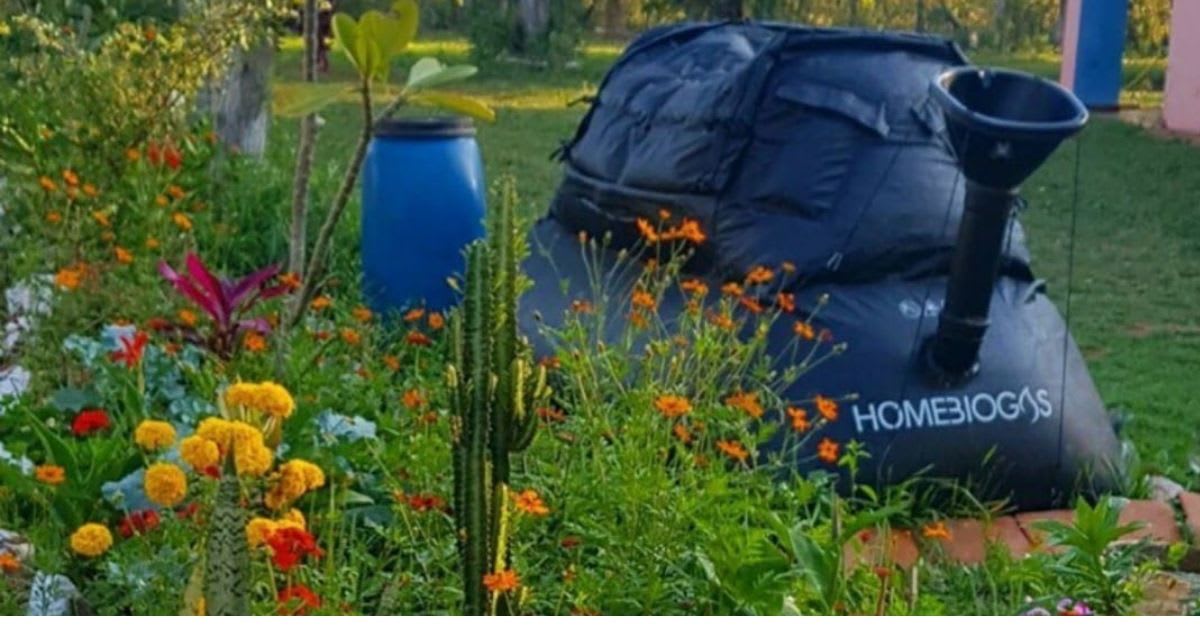
Three main types of home digesters suit different needs and budgets. Fixed dome digesters live underground and last 15 to 20 years but need professional installation. Floating drum models sit above ground with visible gas storage and require occasional rust checks over their eight to 10 year lifespan. Flexi-bag digesters made from PVC cost as little as 3,000 to 5,000 rupees and work perfectly for renters or beginners, though they need replacing every three to five years.
Getting started means gathering fruit and vegetable peels, cooked leftovers, and garden clippings while avoiding oils, fats, and large amounts of citrus. You chop everything fine, mix it with equal parts water, and feed the slurry into your digester through an inlet pipe.
The first seven to 15 days involve patience as bacteria colonies establish themselves. After that startup period, one kilogram of kitchen waste produces about half a cubic meter of biogas, equivalent to nearly half a kilogram of LPG.
Temperature matters for keeping the microorganisms happy. They work best between 30 and 40 degrees Celsius, so adding insulation or choosing a warm spot helps in cooler climates. Stirring the mixture every few days and checking that the pH stays between 6.5 and 8.0 keeps production steady.
Safety features include filters to remove hydrogen sulfide and moisture, regular leak checks with soapy water, and storing gas away from open flames. The systems connect to biogas-compatible burners just like regular stoves.
Why This Inspires
This isn't just about saving money, though families can offset significant portions of their monthly fuel costs. It's about everyday people taking control of two problems at once: waste management and energy independence.
The leftover digestate works wonders in gardens, returning nutrients to soil that grew the food in the first place. What started as trash becomes dinner fuel and then plant food in a perfect circle.
Families who thought renewable energy meant expensive solar panels are discovering they can start small with materials they already have, turning yesterday's meals into tomorrow's cooking power.
More Images
%2Fenglish-betterindia%2Fmedia%2Fpost_attachments%2Fuploads%2F2025%2F05%2FTBI-featured-image-12_11zon-1747040349.jpg)
%2Fenglish-betterindia%2Fmedia%2Fpost_attachments%2Fuploads%2F2025%2F05%2FTBI-featured-image-13_11zon-1747040991.jpg)
%2Fenglish-betterindia%2Fmedia%2Fpost_attachments%2Fuploads%2F2025%2F05%2FTBI-featured-image-14_11zon-1747041363.jpg)
Based on reporting by The Better India
This story was written by BrightWire based on verified news reports.
Spread the positivity!
Share this good news with someone who needs it