Turtle Survives Stingray Barb, Returns to Ocean After 8 Months
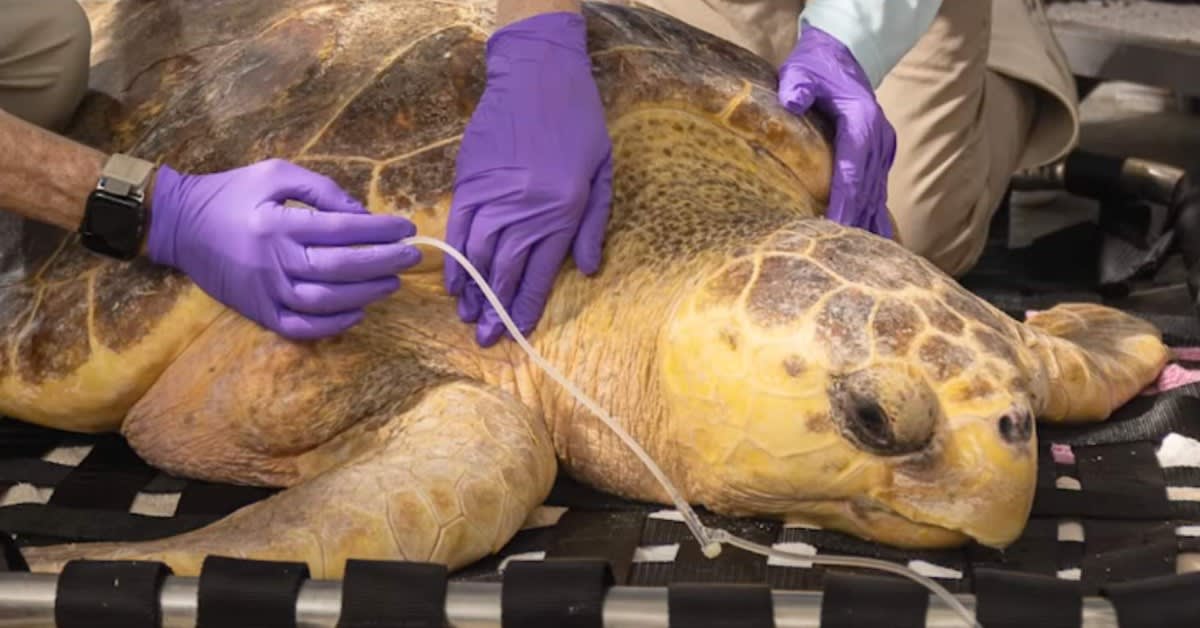
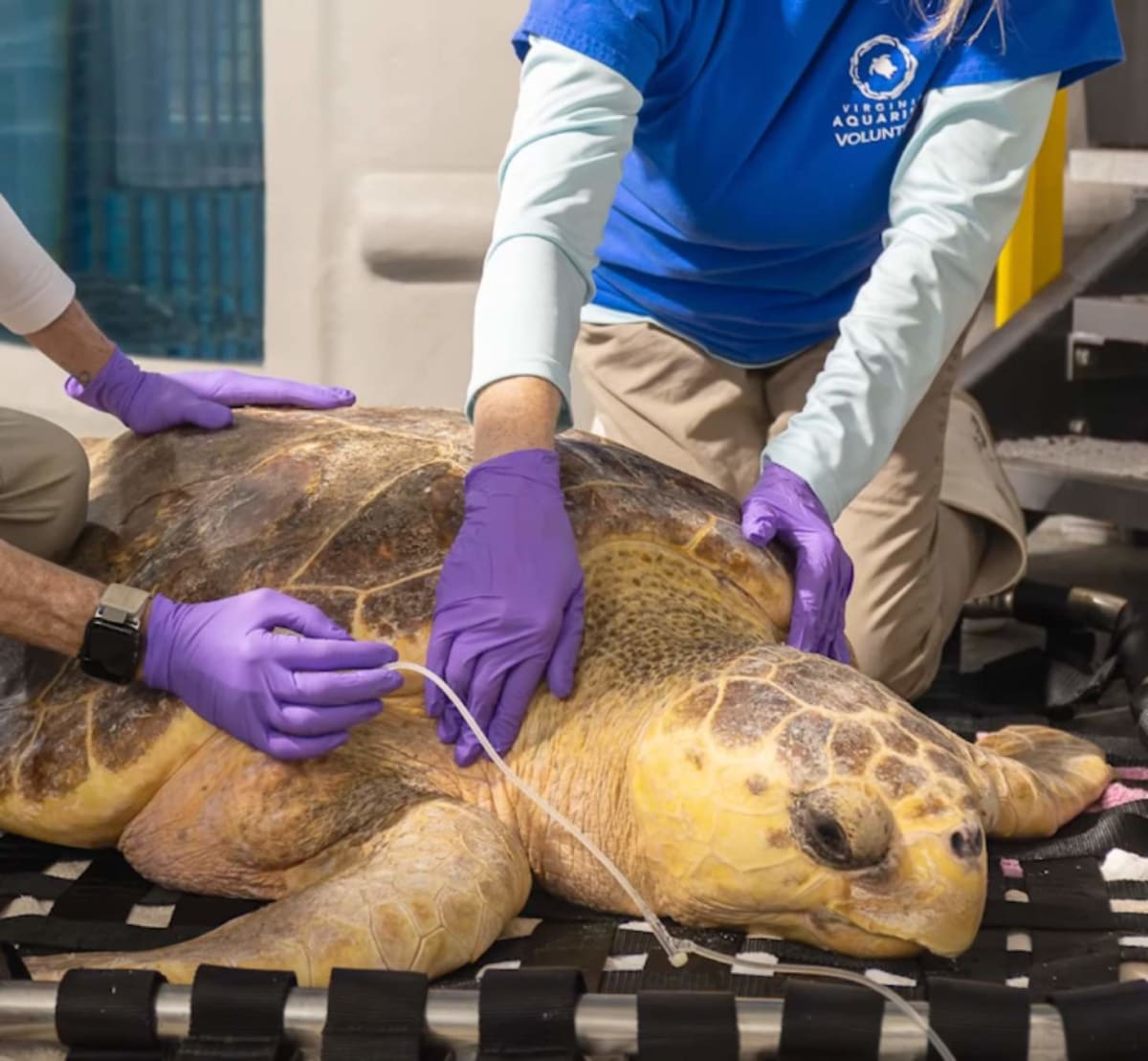
An endangered loggerhead sea turtle named Diamond nearly suffocated on a Virginia beach with a stingray barb in his tongue and sand-filled lungs. After eight months of intensive care and physical therapy, he's swimming free again.
When Diamond the loggerhead sea turtle washed ashore in Virginia Beach last September, his rescuers weren't sure he'd survive the hour, let alone make it back to the ocean.
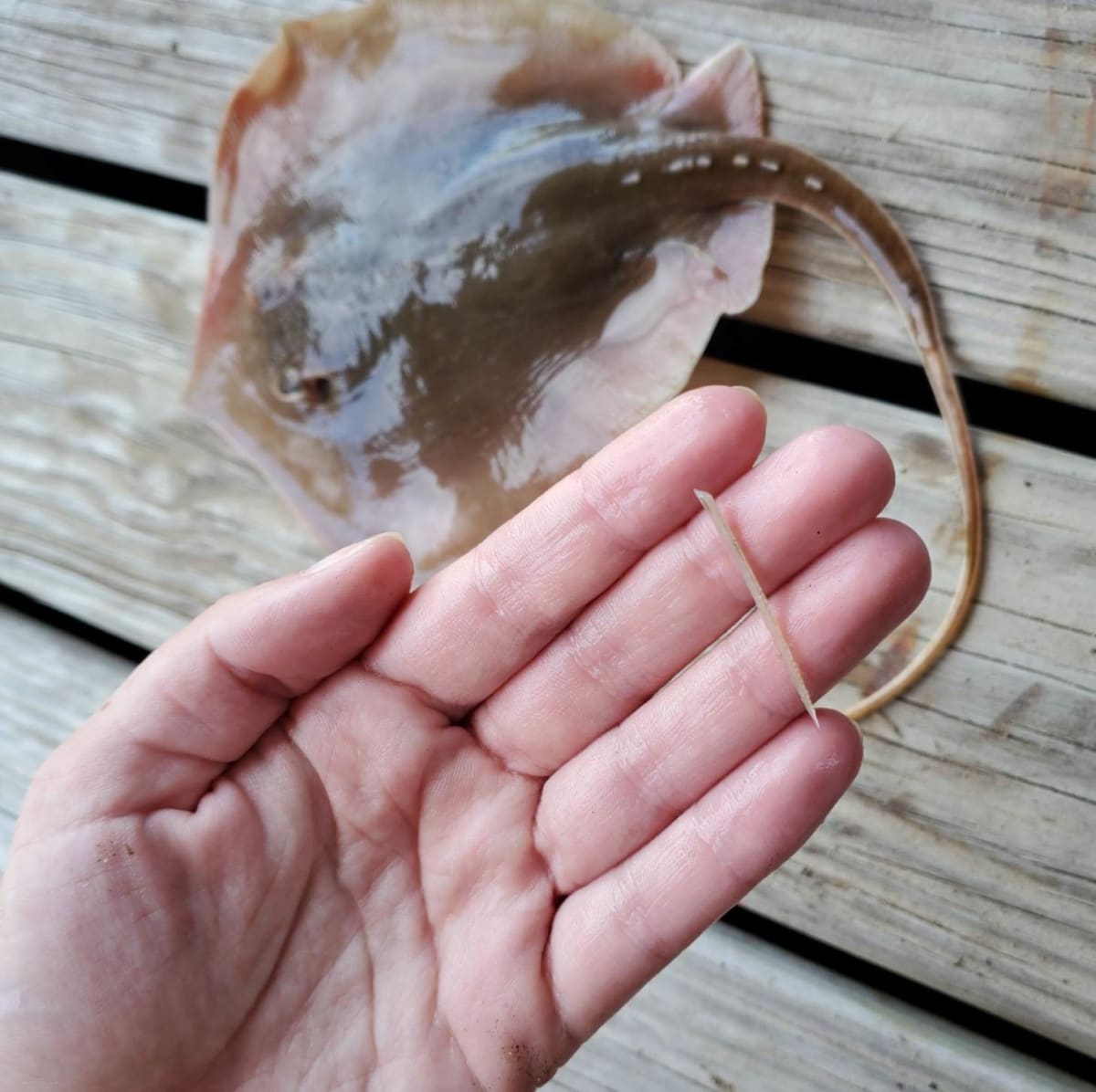
The endangered turtle had a stingray barb lodged deep in his tongue. His heart rate was dangerously low, and he wasn't breathing on his own.
The Virginia Aquarium's Stranding Response Team rushed Diamond to emergency care. After two rounds of medications, he tried to breathe but couldn't get air to move in and out of his lungs.
When the team intubated him, they discovered why. Diamond's trachea was completely blocked with sand, water, and mucus.
The veterinary team suctioned out over 1.5 liters of the mixture from his airway. They removed the stingray barb and finally cleared his breathing passage.
But Diamond's troubles weren't over. Even with the barb removed and his breathing restored, he couldn't swim properly or eat.
"For about two months, he was inappetent, so we would offer food and he didn't eat," said Claire, an assistant stranding technician at the Virginia Aquarium's Darden Marine Animal Conservation Center. The team provided round-the-clock supportive care, antibiotics, and fluids.
They also performed daily physical therapy on Diamond's injured jaw. By November, three months into his recovery, he still refused food.
That's when the rehab team tried something different. Instead of hand-feeding Diamond, they scattered fish and squid throughout his tank.
It worked. Diamond started eating on his own and steadily gained weight and strength.
The Ripple Effect
Diamond's rescue shows what's possible when an entire community rallies around wildlife in crisis. The Virginia Aquarium's success depends on beachgoers who spot stranded animals and call for help, volunteers who donate their time, and supporters who fund the conservation center's work.
Claire emphasized that without this "all hands on deck" approach, Diamond would have died on that beach. "We're very grateful for our callers, our volunteers, our staff, and any and all support," she said.
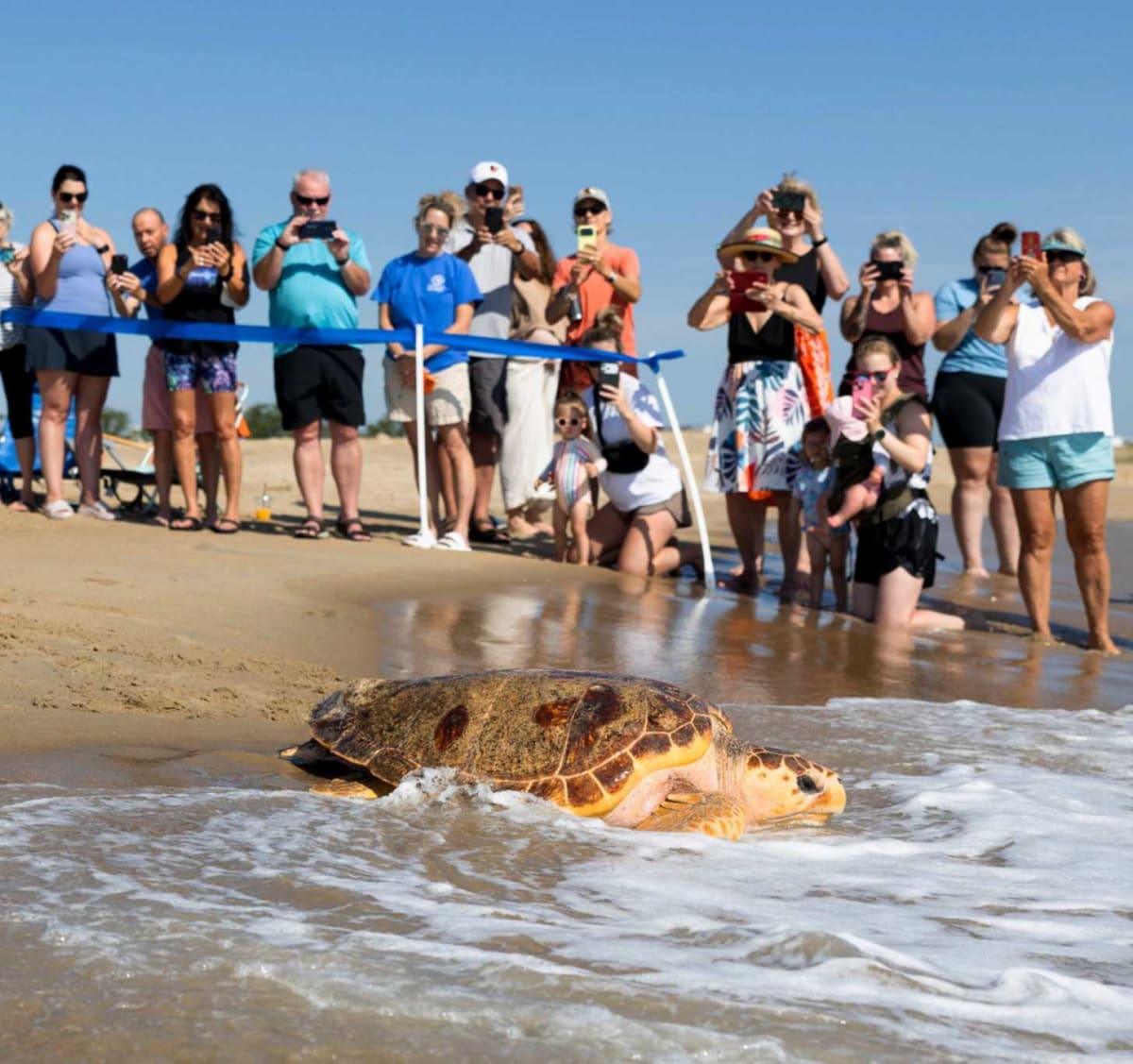
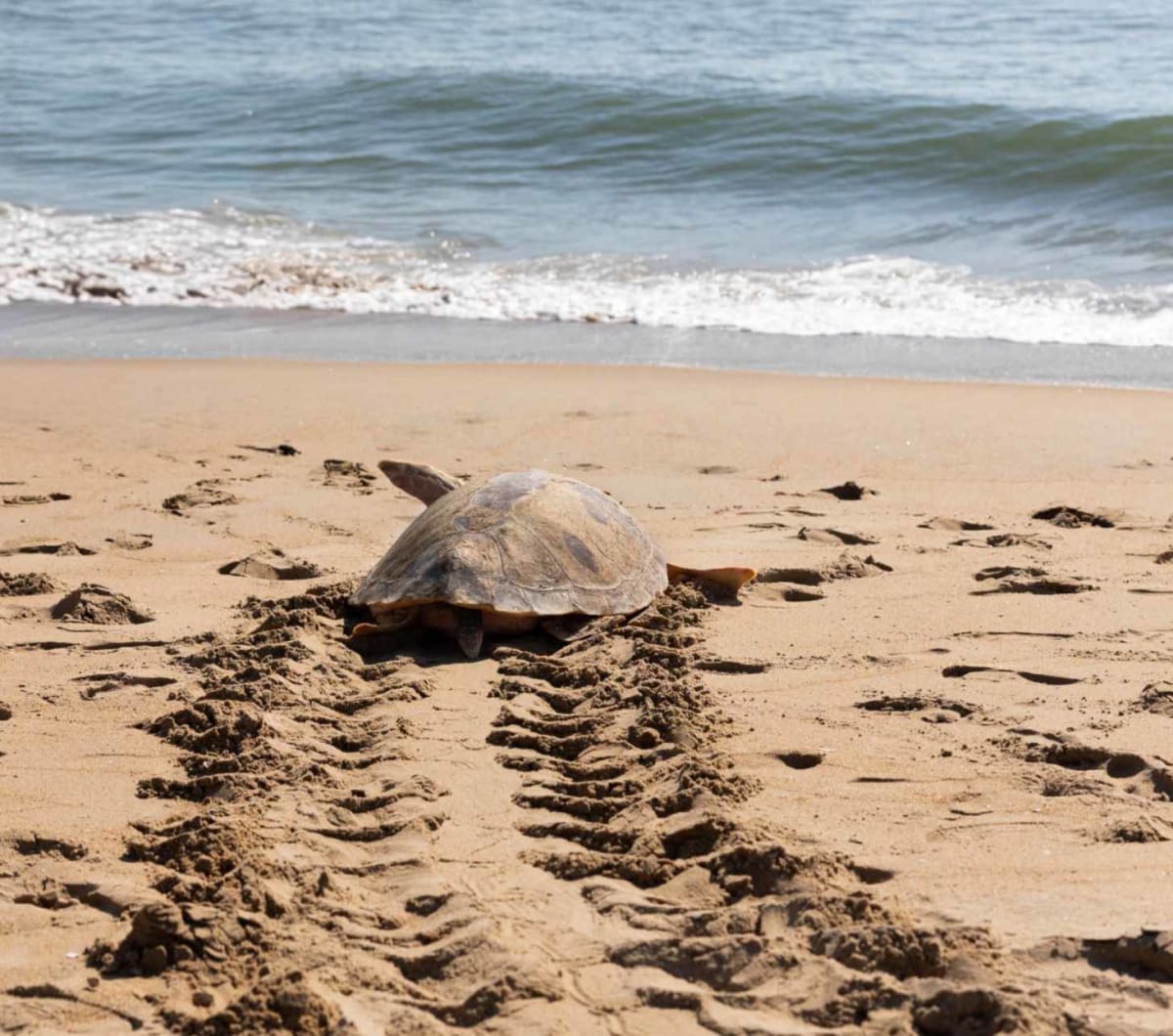
On May 24, eight months after his near-death experience, Diamond returned to the ocean. The Stranding Response Team gathered on the beach to watch the healthy turtle paddle back into the waves.
"It's really wild, because he started out as thin, inappetent, unable to breathe, unable to control buoyancy, to a diagnostically healthy turtle performing normal behaviors and being able to be on his own," Claire said.
Diamond's second chance proves that ocean conservation works when communities care enough to act.
More Images
Based on reporting by Good Good Good
This story was written by BrightWire based on verified news reports.
Spread the positivity!
Share this good news with someone who needs it