TV Shows Could Save Lives With Better CPR Scenes
New research reveals that most TV shows get life-saving CPR wrong, and it's affecting how millions of Americans respond in real emergencies. The good news? Researchers say fixing these scenes could help save thousands of lives each year.
When someone collapses from cardiac arrest, every second counts. But if your CPR knowledge comes from TV dramas, you might be doing more harm than good.
Researchers at the University of Pittsburgh just finished watching 169 episodes of popular shows like "Breaking Bad," "CSI," and "Yellowstone" to see how they portray CPR. The findings were eye-opening: only 30% of episodes showed the correct technique for bystander CPR.
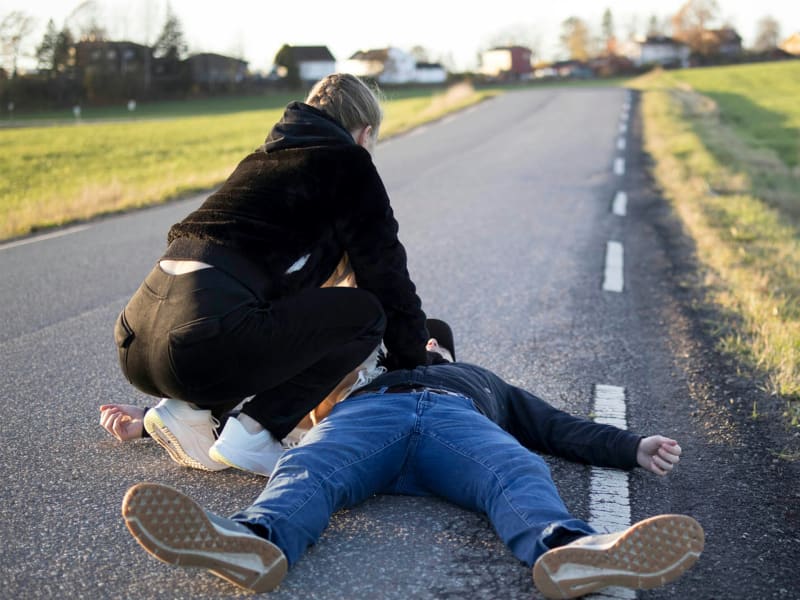
Here's what matters most. Since 2008, the American Heart Association has simplified bystander CPR to just two steps: call 911 and do chest compressions. That's it. No checking for a pulse. No mouth-to-mouth rescue breaths.
Yet nearly half of the TV episodes studied showed bystanders giving rescue breaths, and 42% showed them checking for a pulse. Both are outdated techniques that waste precious seconds and create confusion about what actually saves lives.
The stakes couldn't be higher. Bystander CPR can double or triple a person's chances of surviving cardiac arrest. But many people hesitate to help because they're unsure what to do or worried about doing it wrong.
Beth Hoffman, an assistant professor at Pitt Public Health who led the study, discovered this problem while teaching CPR to young people. Students kept asking whether they should check for a pulse first. When she asked where they learned that, they pointed to TV shows.
The study found other concerning patterns too. TV shows mostly depicted younger people having cardiac arrests, when the average age is actually 62. They also showed cardiac arrests happening in public spaces, even though 80% occur at home.
Why This Inspires
The research team isn't just pointing out problems. They're working directly with TV producers to fix them. Lead author Ore Fawole, who studied both film and natural science at Pitt, believes entertainment can be both accurate and compelling.
Shows like HBO's "The Pitt" are already proving that realistic medical scenes can attract big audiences. If other shows follow that lead, millions of viewers could learn the right way to respond in an emergency without even realizing they're being educated.
Saad Mahmood, an emergency medicine physician at Allegheny General Hospital, emphasizes keeping it simple. "The important thing for bystanders is to make it as simple as possible," he said. Too many people do nothing because they're overwhelmed by what they think they need to know.
The researchers hope their findings will spark conversations between medical experts and Hollywood writers. A few simple script changes could transform passive TV viewers into confident lifesavers when someone needs help most.
More Images
Based on reporting by Medical Xpress
This story was written by BrightWire based on verified news reports.
Spread the positivity!
Share this good news with someone who needs it