Two Circus Elephants Get 1,000-Acre Sanctuary in Portugal
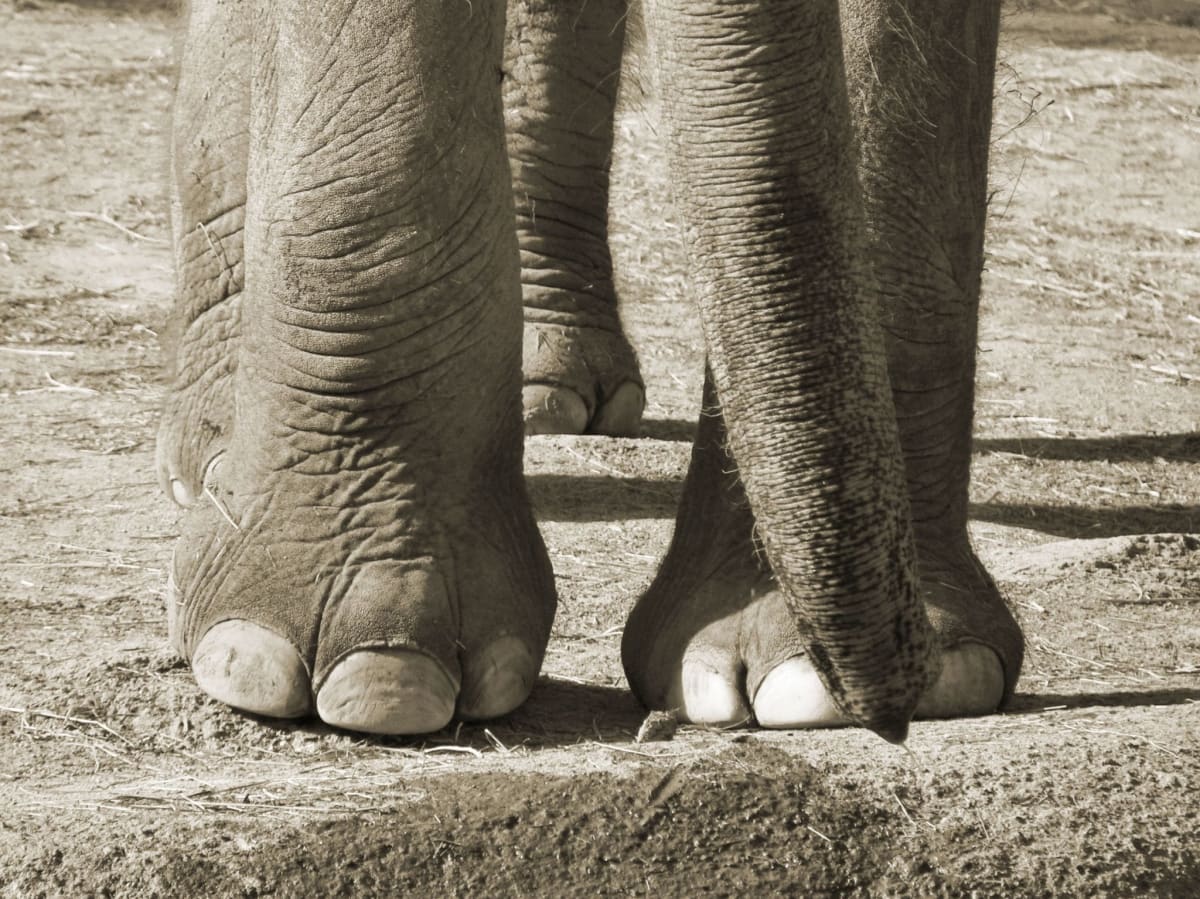
Julie and Kariba, two African elephants in their 40s who spent decades in captivity, are moving to Europe's first large-scale elephant sanctuary next month. The sprawling Alentejo refuge could eventually house 30 elephants and help reshape a landscape where their ancestors once roamed.
After years performing in a Portuguese circus and living alone in a Belgian zoo, two elephants are about to experience something neither has known in decades: freedom.
Julie, captured from the wild in 1988, spent her life with Portugal's Cardinali circus. Kariba lived in isolation at a Belgian zoo for years. Next month, both African elephants will move to a 70-acre sanctuary in Portugal's Alentejo region, about 124 miles east of Lisbon.
It's Europe's first large-scale elephant sanctuary, ten years in the making. The site sits on a former cattle ranch that conservation workers have been restoring specifically for Julie and Kariba's arrival.
The sanctuary won't open to the public. Instead, managing director Kate Moore says the focus is on giving these intelligent animals what captivity never could: autonomy.
"Kariba and Julie will live in an expansive natural habitat where they can roam freely, bathe and socialize in compatible groups," Moore explained. "Elephants are one of the most sentient and intelligent animals on earth and so they have very complex needs."
The numbers tell a sobering story. African female elephants in captivity live an average of 17 years. In the wild, excluding human-caused deaths, they live 56 years.
Across Europe, around 600 elephants remain in captivity today. Thirty-six live in solitary confinement in zoos. Around 40 still perform in circuses, many captured in the 1980s like Julie and Kariba.
Portugal banned wild animals in circuses, with the law taking full effect in 2025. Julie became the last animal rehomed under that legislation through a voluntary agreement between Pangea and the Cardinali family.
"This has not been an easy decision, as she has been a deeply loved member of our family for decades," said circus director Vítor Hugo Cardinali. "But we believe it is the right decision for Julie."
The Ripple Effect
Moore sees the sanctuary solving a problem that's plagued animal welfare legislation across Europe. Countries ban circus animals, but then have nowhere to send them. Zoos reach capacity or decide elephants no longer fit their mission, leaving animals stuck in limbo.
The sanctuary starts at 70 acres but plans to expand to 1,000 acres as fundraising continues. At that size, it could support 20 to 30 elephants, creating homes for captive animals across the continent.
The location holds deeper meaning too. Straight-tusked elephants once ranged across the Iberian Peninsula until around 40,000 years ago. Now their distant relatives are returning, not just as residents but as ecosystem engineers who will actively reshape the land.
"We know elephants can normally strengthen ecosystems if we get the stocking density right," Moore said. "It gives us this really interesting opportunity to see how the elephants are responding to the land and vice versa."
For Julie and Kariba, freedom arrives next month.
Based on reporting by Optimist Daily
This story was written by BrightWire based on verified news reports.
Spread the positivity!
Share this good news with someone who needs it