Two Cosmic Dogs Light Up Winter Skies This Week
Ancient constellations Canis Major and Canis Minor are putting on their best show right now, featuring Sirius, the brightest star in our night sky. These celestial companions have guided humanity for thousands of years and are easy to spot this week.
Look up this week and you'll spot two cosmic dogs running across the winter sky, companions that have watched over humanity for millennia.
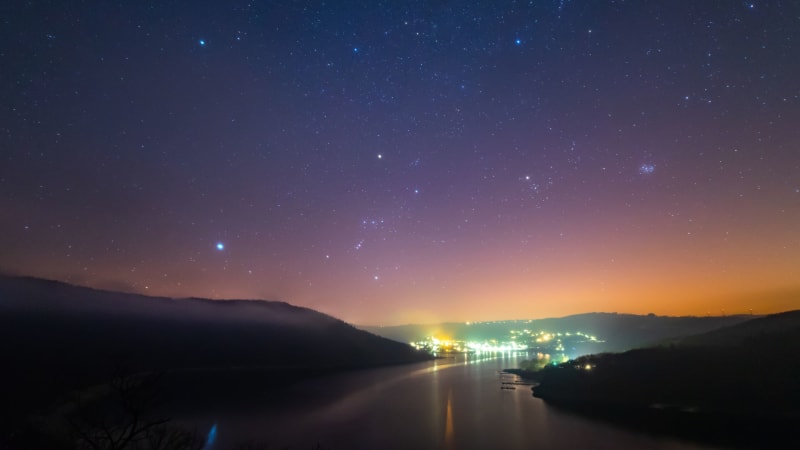
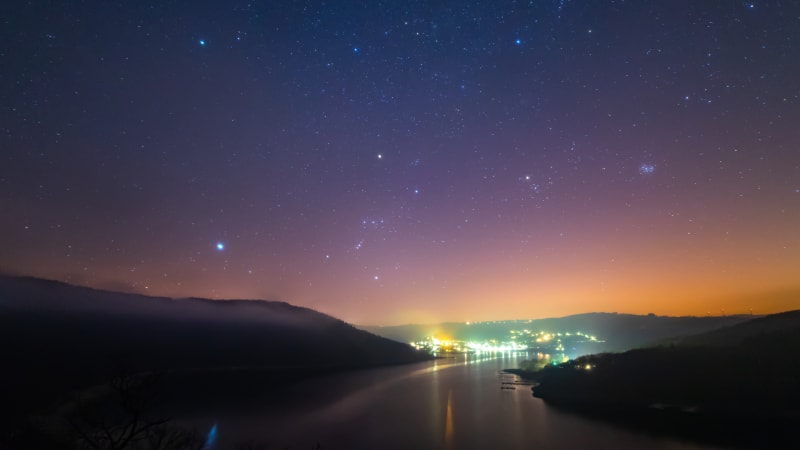
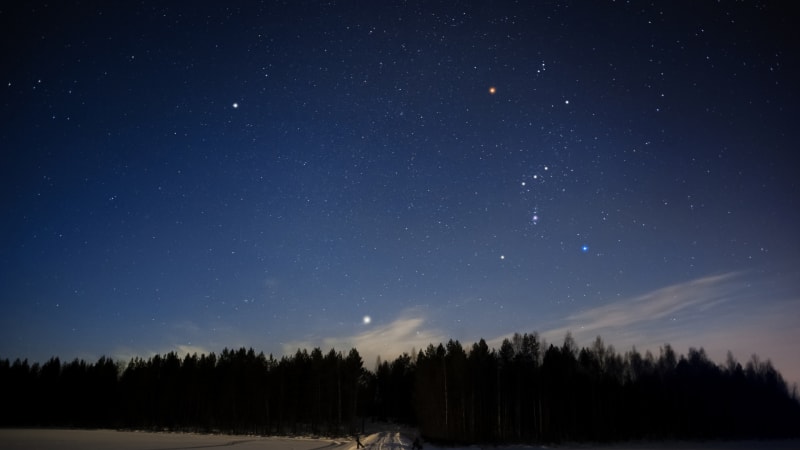
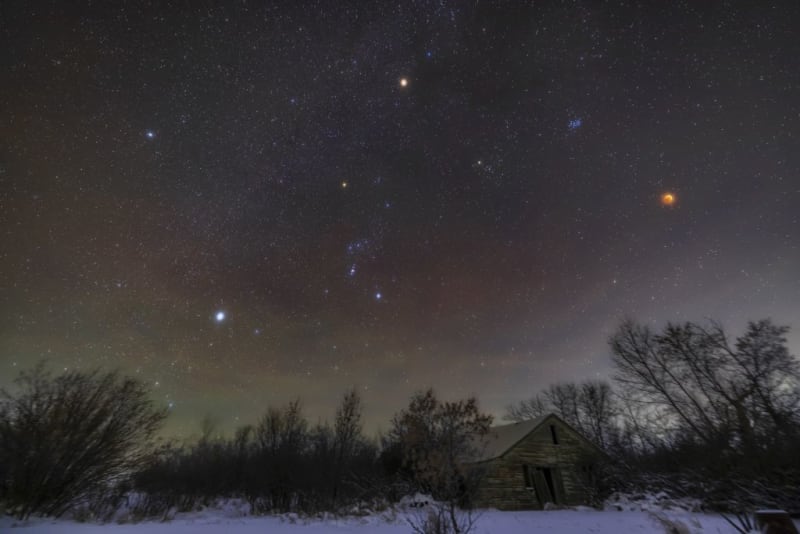
The constellations Canis Major and Canis Minor are now perfectly positioned in our evening sky, offering one of the most spectacular stargazing opportunities of the year. Starting around 6 p.m., you can watch as these ancient star patterns rise in the southeast, led by the brilliant star Sirius.
Sirius shines brighter than any other star in our night sky. Only the sun, moon, and a handful of planets can outshine this stellar beacon, which the ancient Egyptians called Sopdet and honored as a goddess.
Finding these celestial dogs is easier than you might think. Look for Orion's belt, those three bright stars in a row, and follow the line southeast. That dazzling white and blue twinkler you'll find is Sirius, the jewel of Canis Major.
The ancient Egyptians built entire temples aligned to where Sirius would rise on the horizon. They believed this star called up the annual flooding of the Nile River, which brought life-giving water and fertile silt to their fields. Year after year, Sirius appeared just before sunrise, and shortly after, the Nile would begin to rise.
Canis Minor, the Little Dog, races across the sky alongside its bigger companion. This smaller constellation is anchored by Procyon, whose ancient Greek name means "before the dog" because it rises about 25 minutes before Sirius.
Why This Inspires
These cosmic dogs remind us that humans have looked up at the same stars for thousands of years, finding wonder and connection in the night sky. The Egyptians saw a goddess calling forth water. Ancient Greeks saw faithful hunting companions running alongside the great hunter Orion. We now know these stars are hundreds of light years away, yet they still bring us together under the same sky our ancestors marveled at.
For the best viewing this week, head outside around 9:30 p.m. when both constellations are high in the south-southeast sky. You don't need a telescope or special equipment. Your eyes and a clear night are all it takes to connect with thousands of years of human stargazing.
These winter nights offer us a simple gift: a chance to step outside, look up, and see the same brilliant light that guided ancient sailors, inspired temple builders, and marked the seasons for civilizations long past.
More Images

Based on reporting by Space.com
This story was written by BrightWire based on verified news reports.
Spread the positivity!
Share this good news with someone who needs it