Two 'Extinct' Marsupials Found Alive After 6,000 Years
Scientists discovered two marsupial species thought extinct for millennia living in New Guinea, aided by local Indigenous communities. The ring-tailed glider and pygmy long-fingered possum were previously known only from ancient fossils.
📺 Watch the full story above
Two marsupial species that vanished from the fossil record 6,000 years ago have been found alive and thriving on the island of New Guinea, proving that extinction isn't always forever.
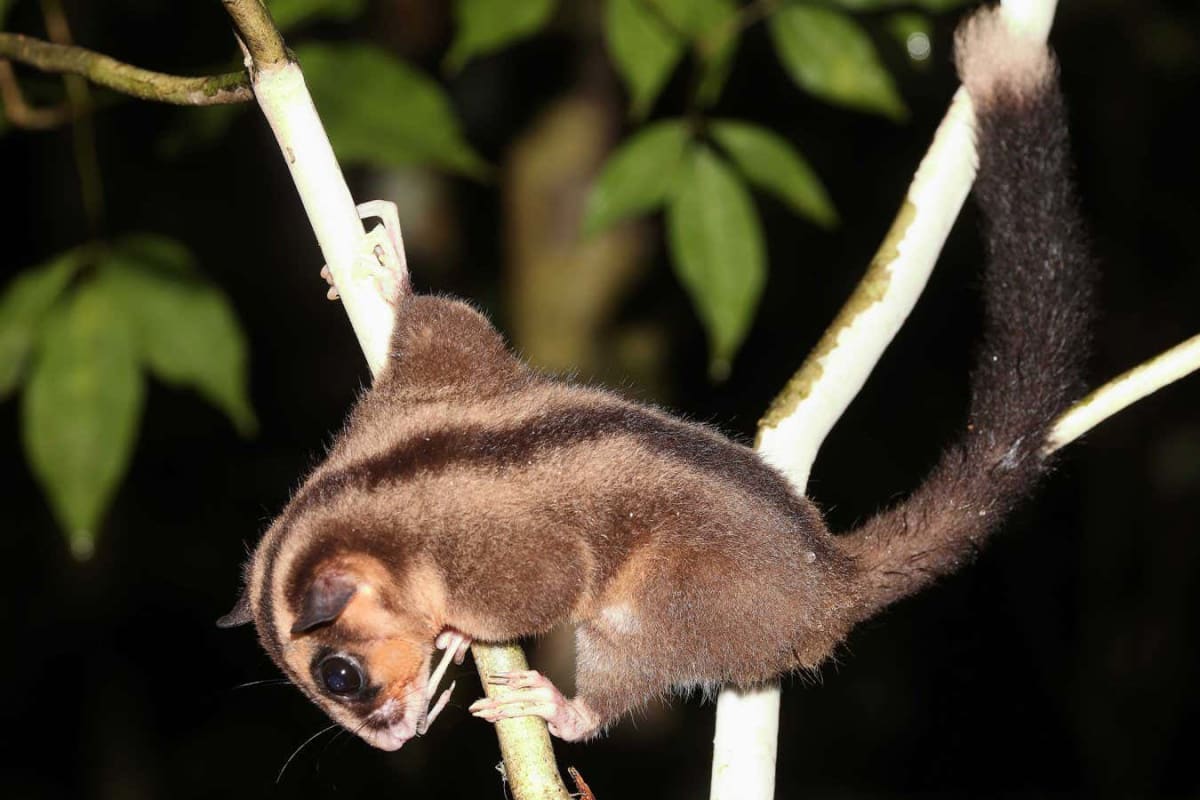
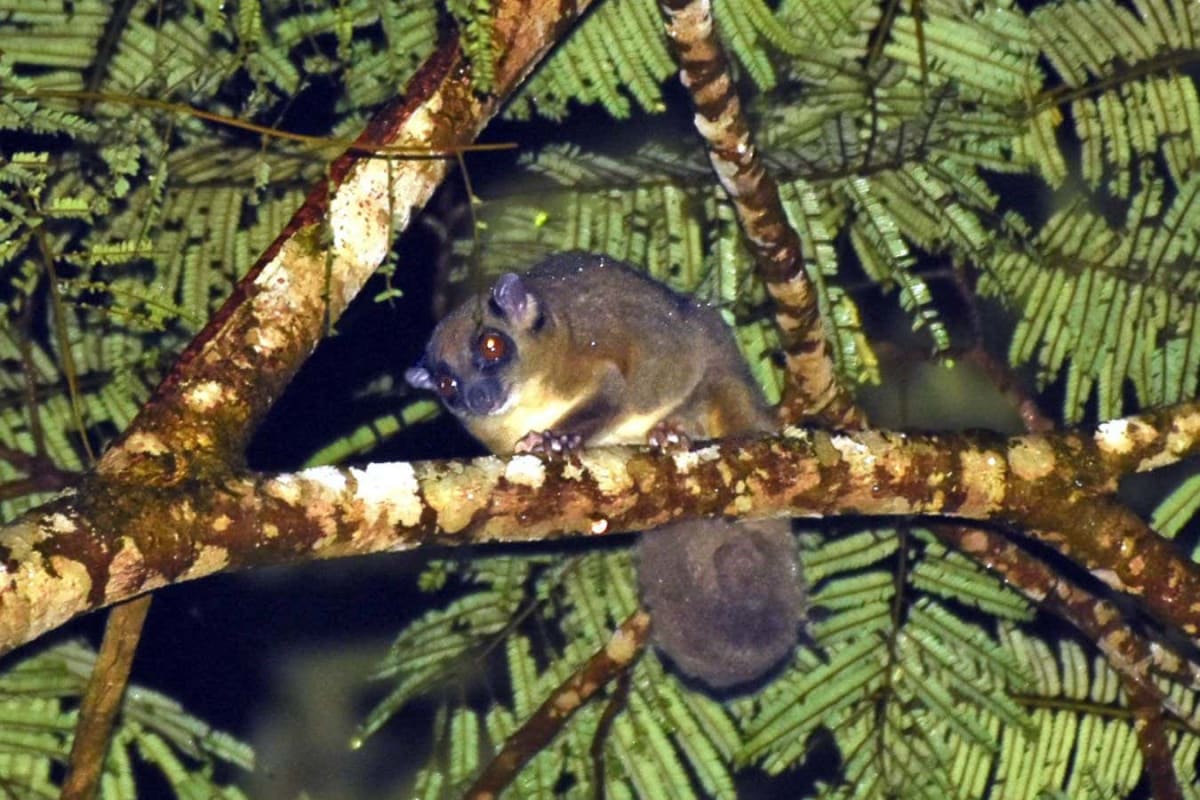
The ring-tailed glider and pygmy long-fingered possum, previously known to science only from ancient Australian fossils, were recently photographed in Papua, Indonesia's Vogelkop peninsula. Local Indigenous communities played a crucial role in helping researchers locate and identify the animals.
Tim Flannery from the Australian Museum in Sydney says it took years of detective work to confirm these creatures were real. The team followed tantalizing sightings, reexamined misidentified museum specimens, and worked closely with local communities before recent photographic evidence finally proved the animals exist.
The ring-tailed glider is a stunning creature with a prehensile tail and unfurred ears that set it apart from its Australian cousins. Some Indigenous communities in the region regard the glider as sacred and protected, which may explain why it remained hidden from science for so long.
The pygmy long-fingered possum is equally remarkable, featuring beautiful stripes and one extraordinarily long finger on each hand. The finger is twice as long as its other digits and perfectly designed for fishing grubs out of rotting wood after the possum uses specialized ears to detect low-frequency sounds from wood-boring beetle larvae.
Scott Hucknull from Central Queensland University, who wasn't involved in the research, calls these discoveries "more important than finding a living thylacine in Tasmania." The fossil record shows these animals lived in Australia millions of years ago, disappeared, then reappeared in Queensland caves 280,000 years ago before vanishing again.
The Ripple Effect: These discoveries remind us how much we still don't know about our planet's biodiversity. Indigenous knowledge proved essential in finding these species, showing the value of combining traditional wisdom with modern science. The findings also highlight what Australia may have lost to land clearing and what could still be saved in New Guinea if habitat protection becomes a priority.
The exact locations where these animals live remain secret to protect them from wildlife traders. Flannery warns that both species would be nearly impossible to keep as pets due to their highly specialized diets.
Their habitat faces serious threats from logging, and scientists know little about their range or ecological needs. David Lindenmayer from the Australian National University expresses concern about extensive land clearing happening in New Guinea and wonders what Australia has already lost to similar destruction.
These pocket-sized survivors offer hope that other species we've written off as extinct might still be out there waiting to be rediscovered.
More Images


Based on reporting by New Scientist
This story was written by BrightWire based on verified news reports.
Spread the positivity!
Share this good news with someone who needs it