Two Historic Ponds Come Back to Life After a Decade
Two farmland ponds on the Hertfordshire-Essex border held water through summer for the first time in over ten years, bringing smooth newts and thriving wildlife back home. Simple restoration work is proving how quickly nature bounces back when given the right conditions.
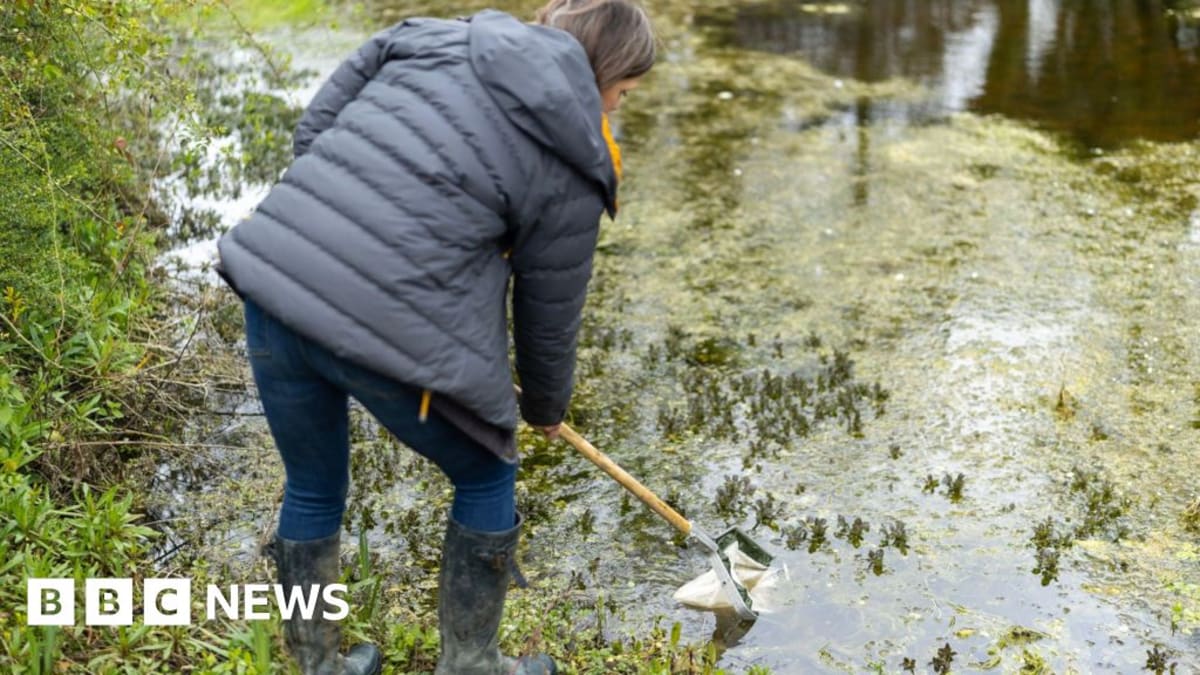
After more than a decade of sitting dry and neglected, two historic farmland ponds near Clavering are brimming with water and wildlife again.
The ponds on the Hertfordshire-Essex border held water throughout the entire summer of 2024 for the first time in over ten years. Within months of restoration, smooth newts returned and started breeding in both ponds.
The project tackled two main problems that had plagued the ponds for years. Sediment had filled the basins, making them shallow and unable to hold water properly. Overgrown trees blocked sunlight from reaching the surface.
Conservation teams coppiced surrounding trees to let sunshine reach the water and restored the original pond basins by removing built-up sediment. The changes created the perfect environment for aquatic life to thrive again.
Surveys recorded ten additional aquatic plant species in each pond after the restoration work finished. The return of diverse plant life signals a healthy ecosystem taking root.
The Ripple Effect
Farmland ponds represent one of the UK's most threatened habitats, with more than half disappearing over the past century. When ponds like these come back to life, they create vital stepping stones for wildlife across agricultural landscapes.
Affinity Water funded the Clavering restoration and now offers grants up to £5,000 through its Rooting for Wildlife scheme. The program provides £80,000 total to support community groups, schools, landowners and charities working to improve local ecosystems.
Jilly McNaughton, pond conservationist at FWAG East (Farming and Wildlife Advisory Group), oversaw the transformation. "Seeing the ponds hold water again for the first time in over a decade has been incredibly rewarding," she said. "It shows how quickly nature can recover when the right conditions are restored."
Charlotte Johnson, senior ecologist at Affinity Water, emphasized the power of local action. "Projects like the restoration at Clavering ponds show the lasting difference communities and landowners can make when they are supported to enhance nature locally," she said.
The success at Clavering proves that small-scale restoration can make a massive difference for threatened species and habitats.
More Images

Based on reporting by BBC Science
This story was written by BrightWire based on verified news reports.
Spread the positivity!
Share this good news with someone who needs it