
Two Illinois Teens Write Law Requiring Climate Education
Two high school students turned their class projects into state law, requiring climate change education for all Illinois high schoolers starting in 2026. Their success shows young people can drive real policy change when adults listen.
When Iris Shadis-Greengas submitted a proposal for her high school capstone project, she never imagined it would become state law. But her state representative saw the power in her idea and decided to sponsor it as legislation.
The senior at Naperville Central High School had written a proposal requiring climate change education for all Illinois high schoolers. Around the same time, Grace Brady, a senior at Neuqua Valley High School, was working on an identical project for her own class.
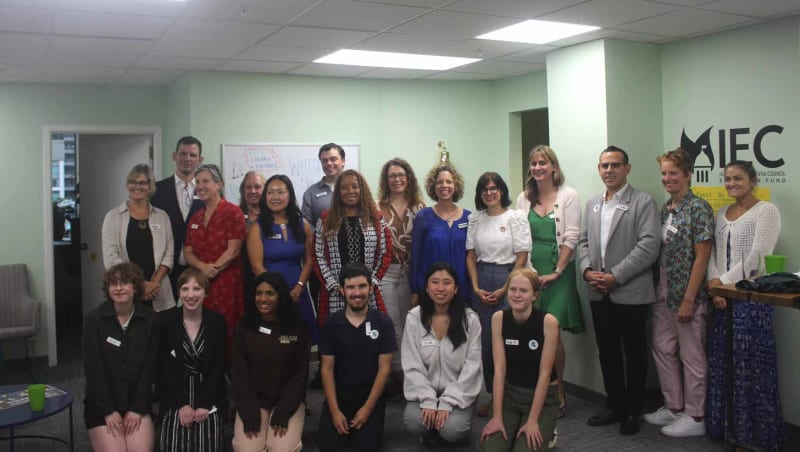
The two students teamed up with State Representative Janet Yang Rohr to turn their classroom assignments into real legislation. Together, they navigated the complexities of state government and worked to get House Bill 4985 passed.
"A bill that was written by a high schooler, I thought that was really cool a legislator would actually do that," Shadis-Greengas told NBC Chicago. Despite debate on the House floor, the bill passed with support from State Senator Adriane Johnson.
Starting in the 2026-2027 school year, every public high school in Illinois must include climate change instruction for grades nine through twelve. The state's Board of Education and Environmental Protection Agency are currently developing the curriculum.
The law ensures students learn what climate change is, how it happens, and most importantly, what they can do about it. Brady, now studying climate policy at the University of Illinois, says the education will help students spot misinformation and trust scientific facts.
The Ripple Effect
Illinois becomes the fifth state to require comprehensive climate education in schools. This student-driven victory shows how young voices can reshape education policy when lawmakers take them seriously.
The legislation addresses a gap that students themselves identified and demanded to fill. Their success proves that age doesn't determine who can create meaningful change in their communities.
Two teenagers just rewrote what's possible when students bring solutions to the table and adults have the courage to champion them.
More Images

Based on reporting by Good Good Good
This story was written by BrightWire based on verified news reports.
Spread the positivity!
Share this good news with someone who needs it