Two States Lead Push for Cheaper, Cleaner Power Grids
Massachusetts and Minnesota are deploying virtual power plants that act like traditional power stations but cost less and pollute nothing. These networks of home batteries and smart systems could replace dirty peaker plants while cutting energy bills.
Imagine thousands of home batteries working together like a single power plant, keeping your lights on during peak demand without burning a drop of fossil fuel.
That's exactly what's happening in Massachusetts and Minnesota, where state leaders are betting big on virtual power plants to transform how we get electricity. These systems connect batteries in homes, businesses, and neighborhoods so they can send power to the grid or reduce demand when needed, all with a few clicks from a central controller.
Massachusetts Governor Maura Healey just set an ambitious target: 3.5 gigawatts of these smart energy resources by 2035. To put that in perspective, the entire New England grid serving six states peaks at just 26.1 gigawatts, making this a massive commitment to cleaner energy infrastructure.
"We're excited," said Larry Chretien of Green Energy Consumers Alliance. His group sees this as a chance to eliminate expensive, polluting peaker plants that only run during high demand periods.
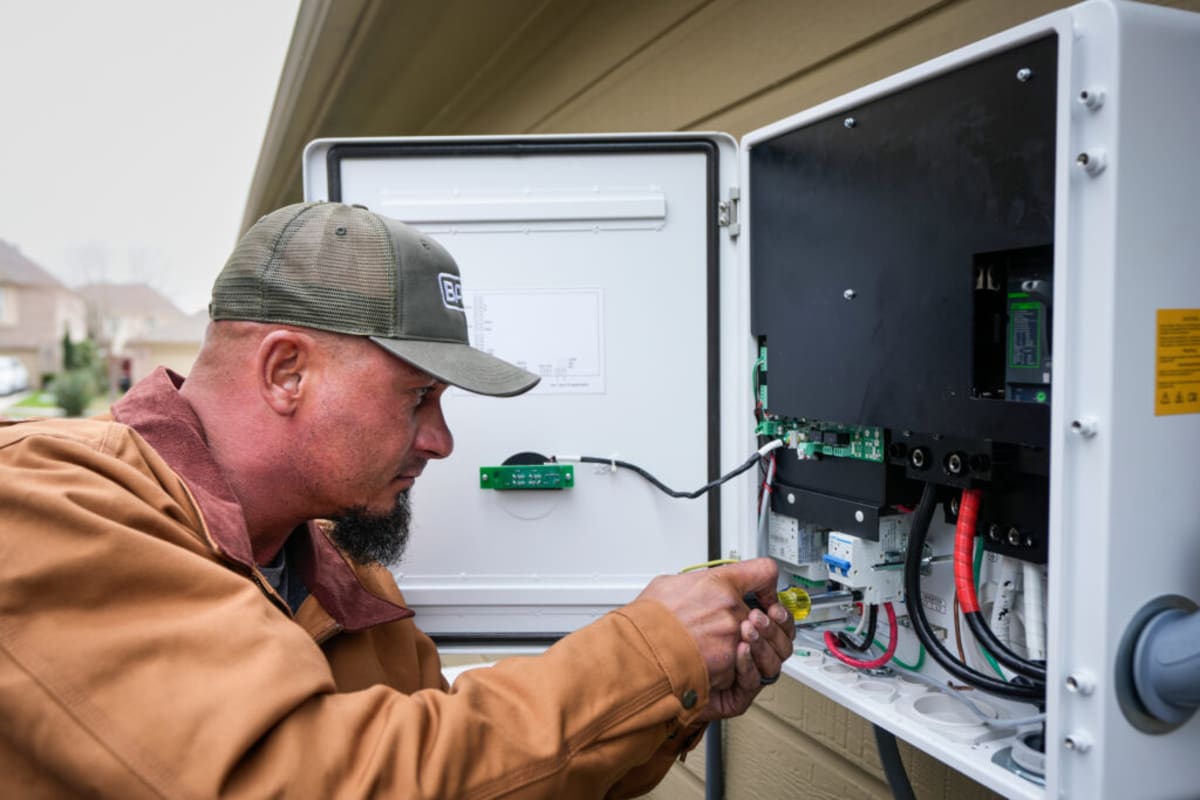
Minnesota took a different approach in May when regulators approved Xcel Energy's plan to install 200 megawatts of neighborhood batteries. Each battery will range from 1 to 3 megawatts, strategically placed where the grid needs them most to improve reliability and avoid costly infrastructure upgrades.
The best part? Virtual power plants are both cheaper and cleaner than building new natural gas plants. They use existing technology like home batteries and smart charging systems to balance the grid without emissions.
The Ripple Effect
This shift goes beyond just two states. Policy expert Autumn Proudlove from North Carolina State University says she's tracking a steady increase in virtual power plant programs nationwide, signaling a broader transformation in how America powers itself.
The programs work by compensating homeowners and businesses who contribute their batteries or reduce power use during peak times. Everyone wins: the grid stays stable, costs stay lower, and no new fossil fuel plants get built.
California already runs the country's largest virtual power plant network, which peaked at about half a gigawatt last July. Massachusetts aims to blow past that by more than six times.
Some consumer advocates prefer distributed ownership over utility control, arguing it keeps costs down and power local. But supporters say centralized coordination ensures batteries work precisely where and when the grid needs them most, maximizing benefits for all customers.
The Massachusetts government will issue a report in September identifying existing programs, creating a baseline to measure progress toward 2035. That careful planning approach gives clean energy groups confidence this ambitious goal will actually happen.
Thousands of homes and businesses are already proving this technology works, and now entire states are ready to scale it up and show the rest of America a cleaner, cheaper path forward.
Based on reporting by Google News - Clean Energy
This story was written by BrightWire based on verified news reports.
Spread the positivity!
Share this good news with someone who needs it