Two Teams Race to Find Soviet Moon Lander After 60 Years
Scientists are closing in on Luna 9, the first spacecraft to softly land on the Moon in 1966, using AI and crowdsourced detective work. India's space agency will settle the debate in March with high-resolution photos.
A beach ball-sized Soviet spacecraft that made history 60 years ago is finally about to be found, thanks to modern technology and good old-fashioned teamwork.
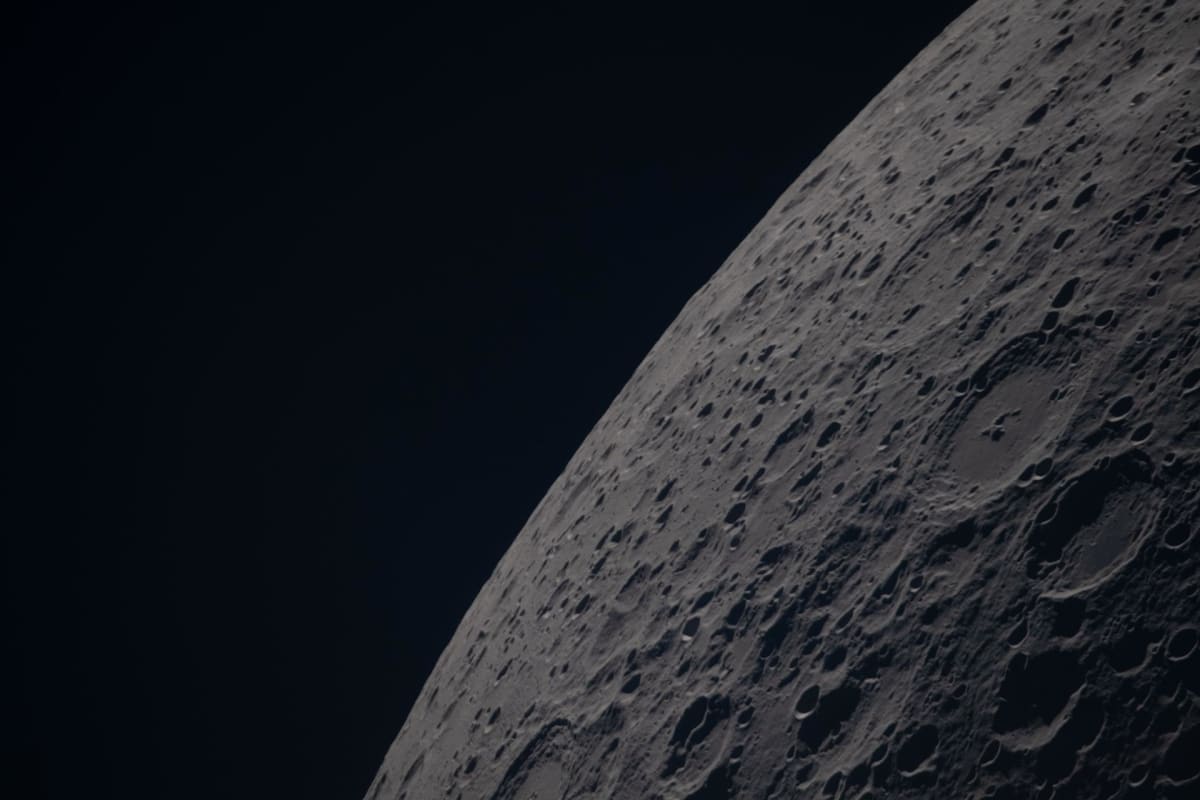
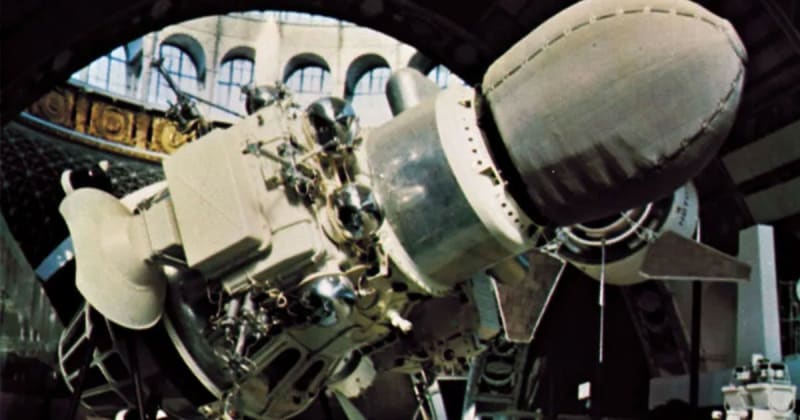
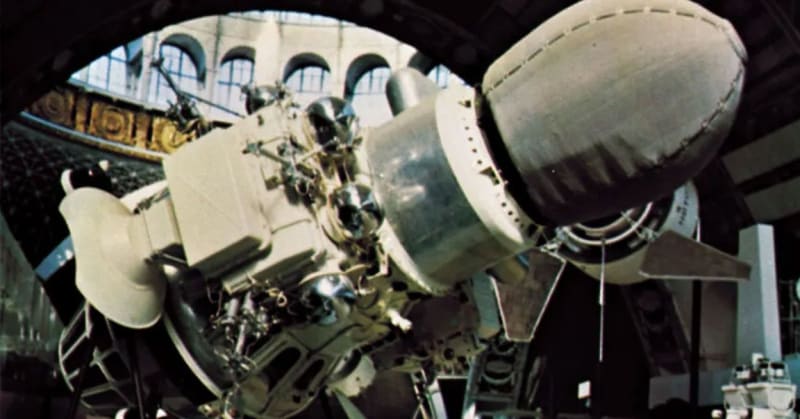
In 1966, three years before Neil Armstrong's famous first steps, the Soviet Union's Luna 9 became the first spacecraft to gently touch down on the Moon and send back photos. The small spherical probe, just two feet across, captured grainy black-and-white images of the lunar surface before going silent.
Then it vanished from view. Its exact location became a decades-long mystery.
Now two scientific teams believe they've cracked the case, though they disagree on the precise spot. Science communicator Vitaly Egorov crowdsourced volunteers to scan a 62-mile-wide region of the Moon, matching horizon features from Luna 9's original 1966 photo to current satellite images.
Meanwhile, researchers at University College London built an AI system called YOLO-ETA (You-Only-Look-Once–Extraterrestrial Artefact) that learned to spot landing sites by studying NASA's previous discoveries. Their algorithm identified a bright pixel near two darker spots that could be Luna 9's protective landing shells.
The challenge? Luna 9 is simply too tiny for most satellites to confirm. NASA's Lunar Reconnaissance Orbiter can't get a clear enough view to say for certain whether those pixels are really the historic lander.
That's where India's space program comes in. The Indian Space Research Organisation has agreed to point its Chandrayaan-2 satellite, which has higher-resolution cameras, at both proposed sites in March.
Why This Inspires
This treasure hunt represents something bigger than finding one small spacecraft. It shows how space exploration has evolved from Cold War competition to global cooperation, with India, Russia, the UK, and citizen scientists working together to honor a shared piece of history.
The search also proves that mysteries don't have to stay mysterious forever. As Russian spaceflight expert Anatoly Zak told the New York Times, better cameras and new technology mean we'll likely find not just Luna 9 but also its twin, Luna 13, in our lifetimes.
A two-foot sphere that helped humanity take its first close look at another world is about to come back into view, reminding us that what we achieve together never truly disappears.
More Images
Based on reporting by Futurism
This story was written by BrightWire based on verified news reports.
Spread the positivity!
Share this good news with someone who needs it