Two Teens Push Massachusetts to Pass Their Climate Bills
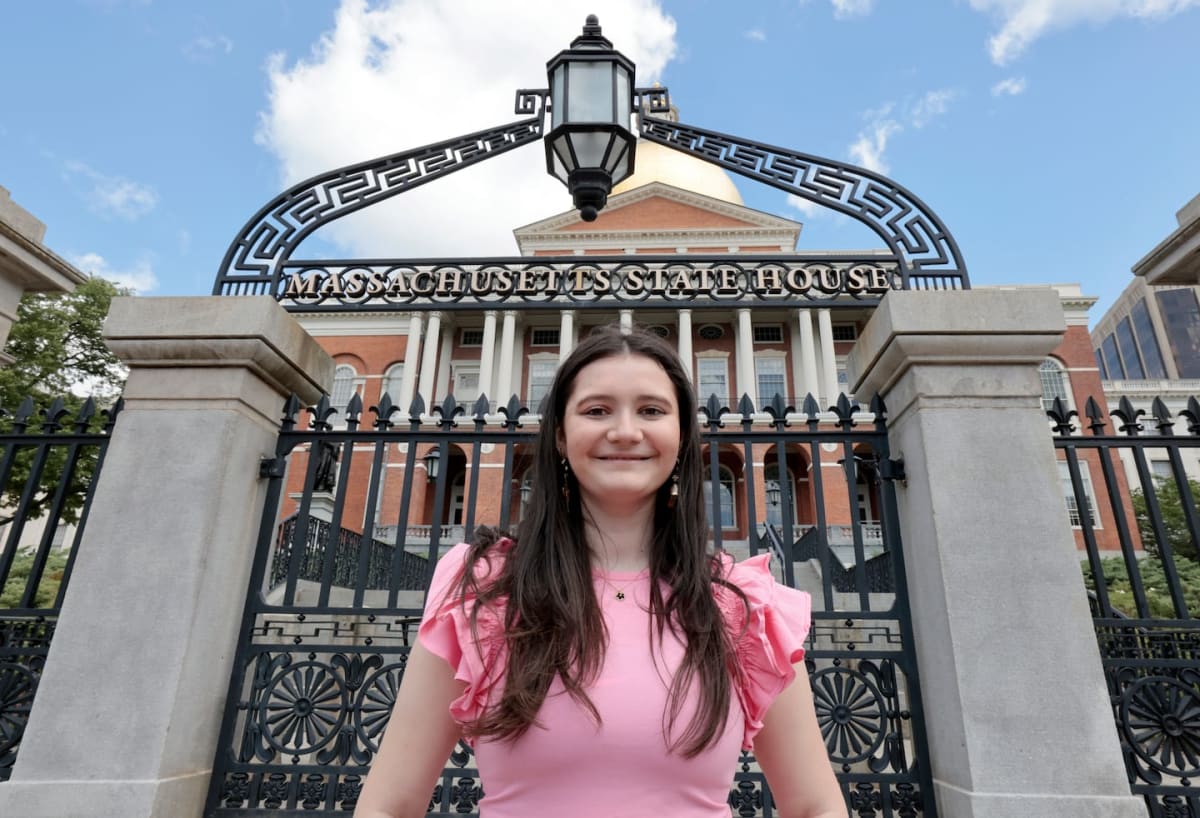
What started as an eighth-grade civics project became real legislation when two Massachusetts high schoolers convinced lawmakers to advance clean energy bills they wrote. After four years of research, Mariah Delaney Eskel and Sofia FloresQuero Llamas are now watching their climate solutions move through the state legislature.
When Mariah Delaney Eskel and Sofia FloresQuero Llamas got a middle school assignment to solve a public problem, most kids picked something simple. These two North Andover eighth graders chose climate change.
Four years later, their homework has turned into actual legislation moving through the Massachusetts State House. The now high school seniors researched, drafted, and lobbied for two environmental bills that could reshape how the state invests in clean energy.
Their first bill focuses on expanding research into battery energy storage systems. The goal is understanding how these batteries can help Massachusetts reduce its dependence on fossil fuels while lowering energy costs for residents over time.
The second bill proposes a tiered tax credit system for renewable energy generation. This would make clean energy solutions more financially accessible for businesses of all sizes across the state, removing one of the biggest barriers to adoption.
The journey from classroom to State House required persistence most adults would struggle to maintain. The students spent years diving into technical research on greenhouse gas reduction and renewable energy investment, learning policy language and legislative processes along the way.
They didn't just write proposals and hope for the best. Eskel and FloresQuero Llamas actively pressed lawmakers on Beacon Hill, presenting their research and making the case for why these bills matter for Massachusetts' environmental future.
The Ripple Effect
What makes this story particularly powerful is how it demonstrates youth voices can drive real policy change. These students saw sustainability affecting their daily lives and refused to accept that young people should wait until adulthood to contribute solutions.
Their work also addresses genuine barriers to clean energy adoption. By focusing on battery storage research and tax incentives, they targeted practical obstacles that prevent businesses and utilities from switching to renewable sources.
The bills could influence how Massachusetts approaches its climate goals for years to come. If passed, they would create new pathways for research funding and make clean energy investment more realistic for organizations across the economic spectrum.
From a middle school civics assignment to legislation under consideration by state lawmakers, Eskel and FloresQuero Llamas prove that age doesn't determine whose ideas deserve a seat at the table.
More Images
Based on reporting by Google: clean energy investment
This story was written by BrightWire based on verified news reports.
Spread the positivity!
Share this good news with someone who needs it