Two-Thirds of Autistic Kids Gain Speech With Early Help
A major new study brings hope to families: with the right early intervention, about two-thirds of nonspeaking autistic children learn to speak words, and half develop complex language. The research also reveals how to improve outcomes for those who need extra support.
Parents of nonspeaking autistic children now have solid evidence that early intervention works, according to a groundbreaking study from Drexel University that tracked 707 preschoolers through therapy programs.
The research found that roughly two-thirds of children who couldn't speak at the start learned single words after receiving evidence-based interventions. About half went on to combine words into phrases and more complex language.
The findings offer something even more valuable than statistics. They provide a roadmap for helping the children who don't respond to standard therapy approaches.
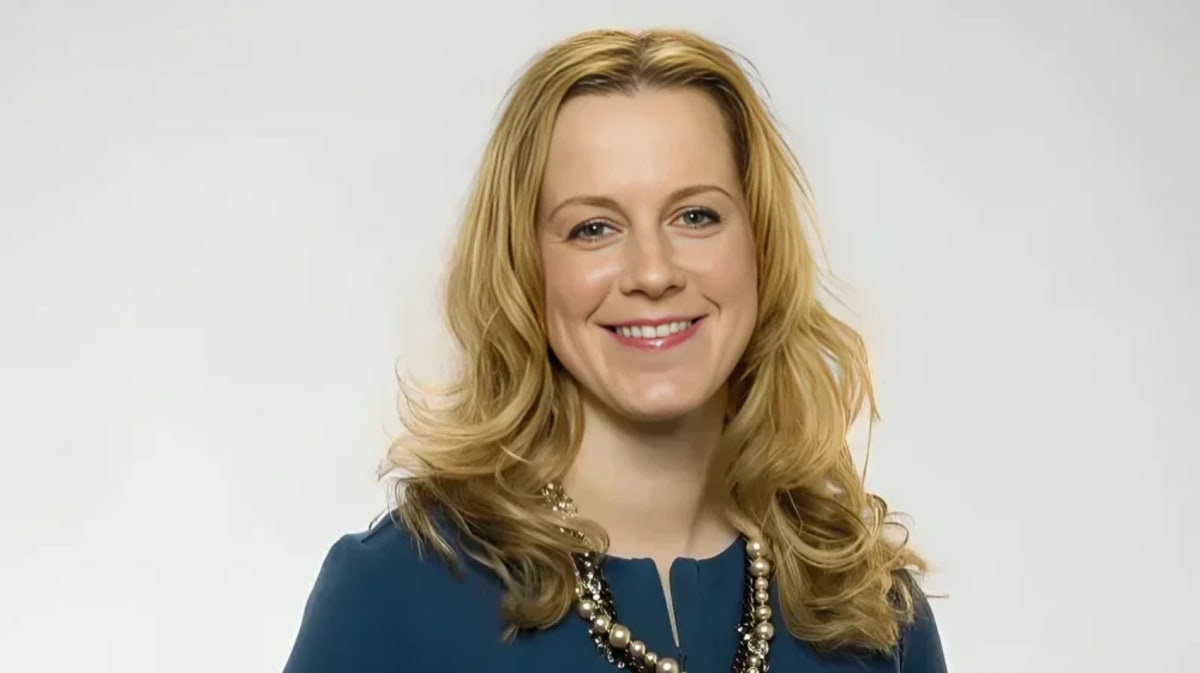
Dr. Giacomo Vivanti, who led the study at Drexel's Autism Institute, says the answer to whether parents should pursue these interventions is still a clear yes. But the research reveals that therapy shouldn't be one-size-fits-all.
Children who struggled with intervention started with lower cognitive, social, and motor imitation skills compared to peers who developed speech. The key difference? Duration mattered more than intensity.
Instead of packing 20 to 40 hours of therapy into each week, children may benefit more from longer-term programs with fewer weekly hours. This gives kids more real-world opportunities to practice communication skills outside a therapy room.
The study also highlighted a surprising factor in success: motor imitation. Children who learned to clap hands, nod, or copy other physical gestures were more likely to develop spoken language later.
"Those nonspeaking prerequisites for communication may help create infrastructure for spoken language," Vivanti explains. Imitating actions helps children eventually imitate sounds and words.
The research team emphasizes that careful monitoring makes all the difference. When progress stalls, therapists and parents should adjust strategies, change goals, or extend duration rather than simply continuing the same approach.
Why This Inspires
This study transforms anxiety into action for thousands of families navigating autism diagnoses. Instead of wondering if intervention will work, parents now know that it helps most children, and they have clear guidance on what to adjust when standard approaches fall short.
The research confirms that each child's path to communication looks different, and that's perfectly okay. Some need more time, others need different skills built first, but the destination remains achievable for most.
With one in 31 American children now diagnosed with autism, these findings will shape how therapists and families approach language development for years to come. Progress isn't just possible; it's probable with the right support tailored to each child's needs.
More Images



Based on reporting by Medical Xpress
This story was written by BrightWire based on verified news reports.
Spread the positivity!
Share this good news with someone who needs it