Two Total Solar Eclipses Coming in 2026 and 2027
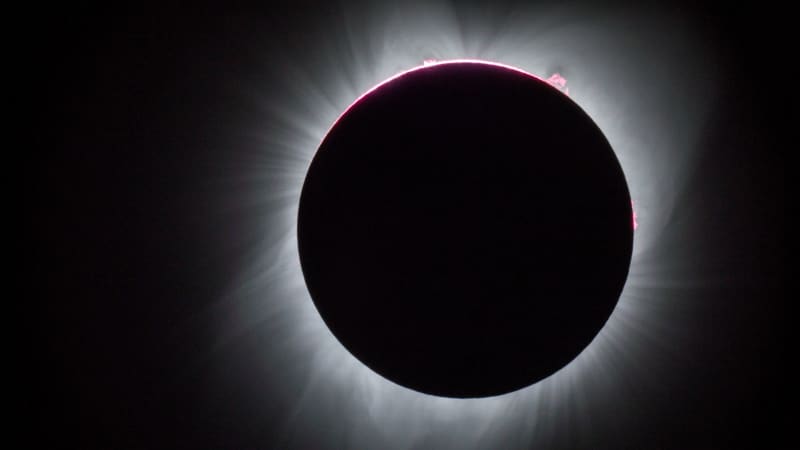
Skywatchers have two breathtaking chances to witness total solar eclipses in the next two years, including one dubbed the "eclipse of the century." The rare back-to-back events will light up skies across Europe, Africa, and the Middle East.
After the spectacular April 2024 eclipse over North America, the cosmos is preparing an encore performance that eclipse chasers won't want to miss.
Two total solar eclipses will grace our skies within 12 months of each other, offering millions of people the chance to witness one of nature's most awe-inspiring spectacles. For many regions, it's the first opportunity in decades.
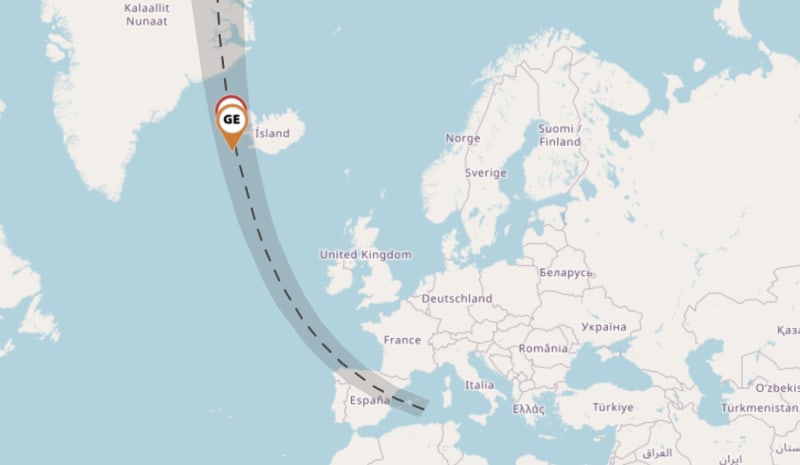
The first eclipse arrives August 12, 2026, sweeping across eastern Greenland, Iceland's west coast, and northern Spain. Cities like León, Burgos, and Valladolid in Spain will experience totality for just under two minutes as the sun sets on the horizon.
This marks mainland Europe's first total eclipse since 1999. Travelers chasing the longest views should head to Iceland's Snæfellsnes Peninsula or Greenland's eastern fjords, where totality stretches just over two minutes.
Lucky observers in Spain might catch a double treat that night. Clear skies are expected for both the eclipse and the peak of the Perseid meteor shower hours later.
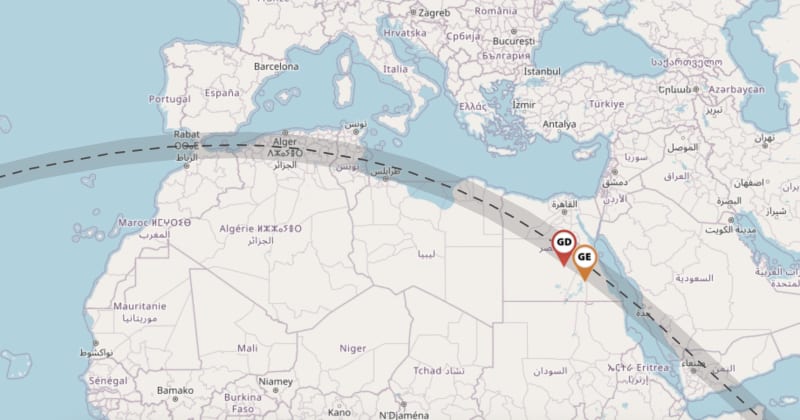
The second eclipse on August 2, 2027, promises to be truly unforgettable. Totality will last an extraordinary 6 minutes and 22 seconds as the moon's shadow crosses Spain, Morocco, Algeria, Tunisia, Libya, Egypt, Saudi Arabia, Yemen, and Somalia.
Near Luxor, Egypt, viewers will experience the longest land-based totality of the entire 21st century. The region's typically clear summer skies make this location particularly promising for optimal viewing.
The Ripple Effect
These celestial events are already sparking excitement in the global astronomy community and tourism industries. Hotels and tour operators along both paths of totality are preparing for an influx of eclipse chasers from around the world.
The eclipses offer more than just stunning visuals. They provide opportunities for scientific research, community gatherings, and shared experiences that connect people across cultures and borders.
And there's more good news for those bitten by the eclipse bug. On July 22, 2028, Sydney, Australia will witness its first total eclipse since 1857, giving the Southern Hemisphere its turn to celebrate.
For eclipse enthusiasts worldwide, a golden era of cosmic wonder has arrived.
More Images

Based on reporting by Live Science
This story was written by BrightWire based on verified news reports.
Spread the positivity!
Share this good news with someone who needs it
%2Fhttps%3A%2F%2Ftf-cmsv2-smithsonianmag-media.s3.amazonaws.com%2Ffiler_public%2Ff0%2Ffe%2Ff0fe19e4-e68b-474d-b0a4-19c5beb9d19d%2Fspeedy-star.webp)