Two Women Hunt for 140 WWI Soldiers Who Built El Arish
In a small Queensland town, two granddaughters of WWI veterans are piecing together the forgotten stories of 140 soldiers who started new lives on cane farms after the war. They've found 60 photos so far and won't stop until every soldier settler is remembered.
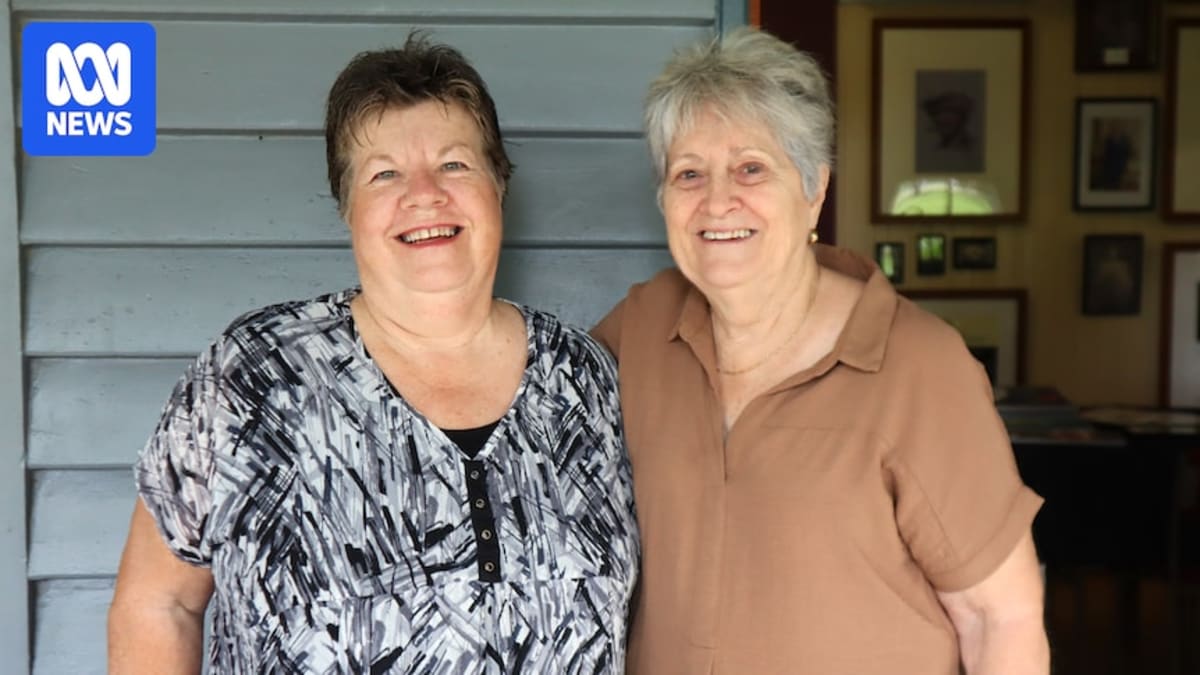
Marie Carman and Lorelei King are racing against time to honor men who traded battlefields for cane fields a century ago.
Both women descend from WWI soldiers who settled in El Arish, a small town 100 kilometers south of Cairns, Australia. Their grandfathers were among 140 veterans who arrived between 1920 and 1924, part of the Australian Soldier Settlement Scheme that gave returned servicemen land to farm and a chance to rebuild shattered lives.
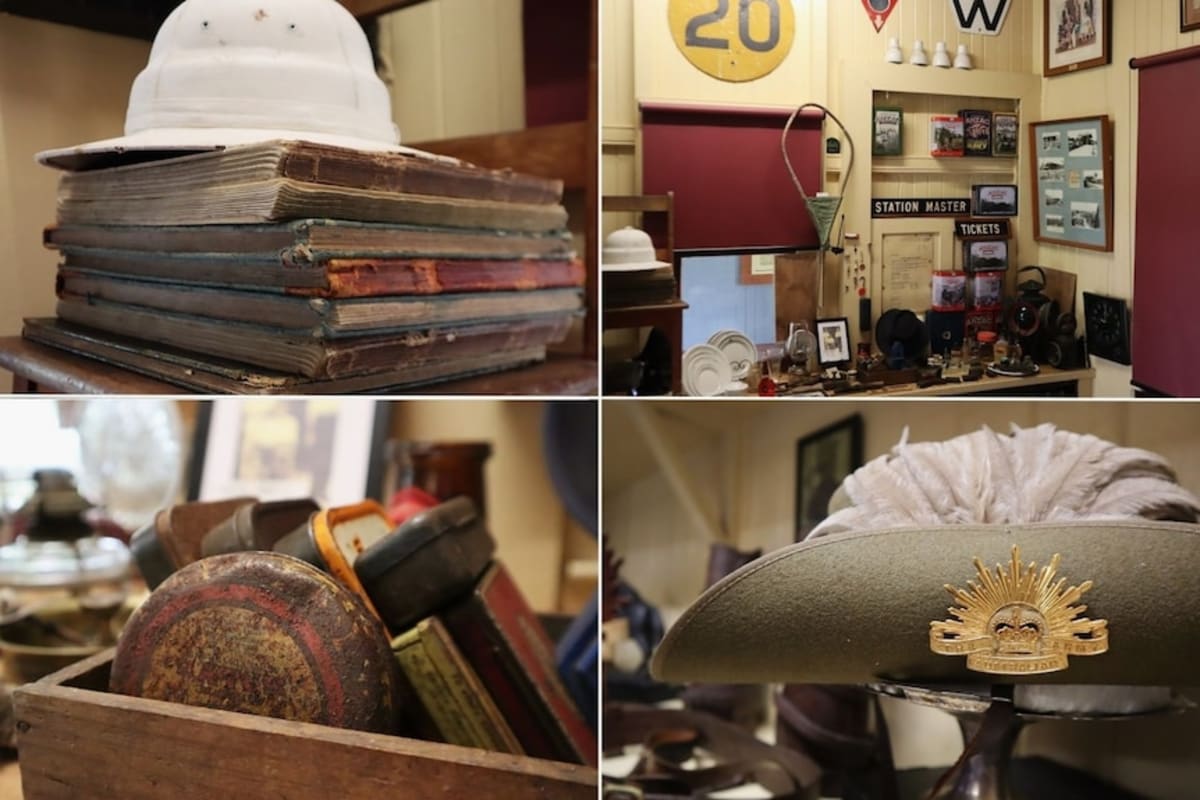
Now, working at the El Arish Diggers Museum, the pair are determined to find every name, every face, every story. They've identified all 140 soldiers but have only located photographs of 60.
The town itself carries the weight of WWI history. It's named after Arish, Egypt, where the Australian Light Horse Brigade found water and medical care during the war. The first soldiers arrived to what was then called Maria Creek Soldier Settlement, each receiving around 42 acres of cane farmland.
King's grandfather, Selby Albert Stewart, signed up in 1917 and spent the war's final days digging up bodies in France and Belgium. The trauma nearly broke him, she says, but the farm gave him purpose. That same property remains in the family today, now being sold to King's niece.
Carman's grandfather, Willie Hugh Williams, was a miner who laid electrical lines and communications for the 4th Division. He arrived single and married in 1923. His family still works the land he was granted.
Why This Inspires
Some soldiers stayed a week before moving on. Others put down roots that grew into family trees spanning five generations. The women aren't just preserving success stories but honoring every soldier who tried to find peace in the cane fields, whether they stayed or left.
Records show 72 men were actively farming by 1925, but Carman and King's research revealed the real number who passed through was nearly double. Many were "bachelors," unmarried soldiers who worked on farms but weren't allocated their own land.
Each photograph the women uncover represents a life forever changed by war, then quietly rebuilt in the tropical heat of North Queensland. Some stories are triumphant. Others carry the weight of trauma that farming couldn't fix. The museum displays both, refusing to romanticize what these men endured.
"We wouldn't have this place without them," King says simply.
The quest continues, one archive at a time, one descendant's attic at a time, until all 140 faces look down from the museum walls.
More Images



Based on reporting by ABC Australia
This story was written by BrightWire based on verified news reports.
Spread the positivity!
Share this good news with someone who needs it