U of M Tests Soil Safety After Winter Tear Gas Use
University of Minnesota students are testing Minneapolis gardens for contamination after federal agents deployed tear gas during protests last winter. The community science project aims to help residents understand if their homegrown produce is safe to eat.
When federal agents flooded Minneapolis last winter, their tear gas didn't just disappear into the air. University of Minnesota students are now digging into neighborhood gardens to find out what chemicals were left behind.
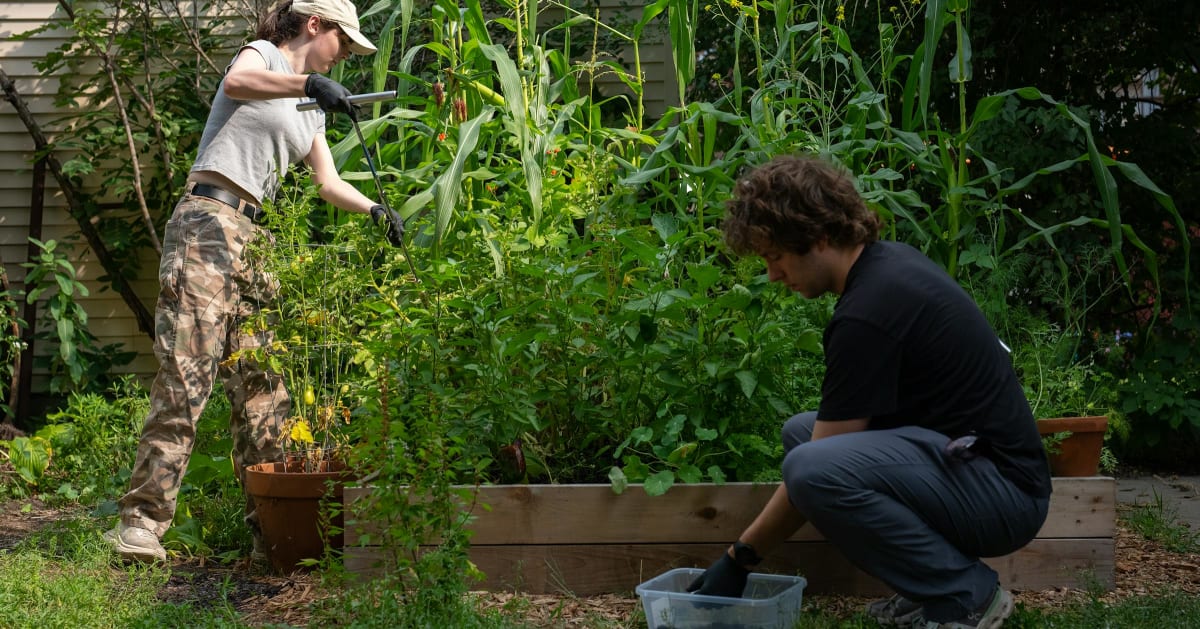
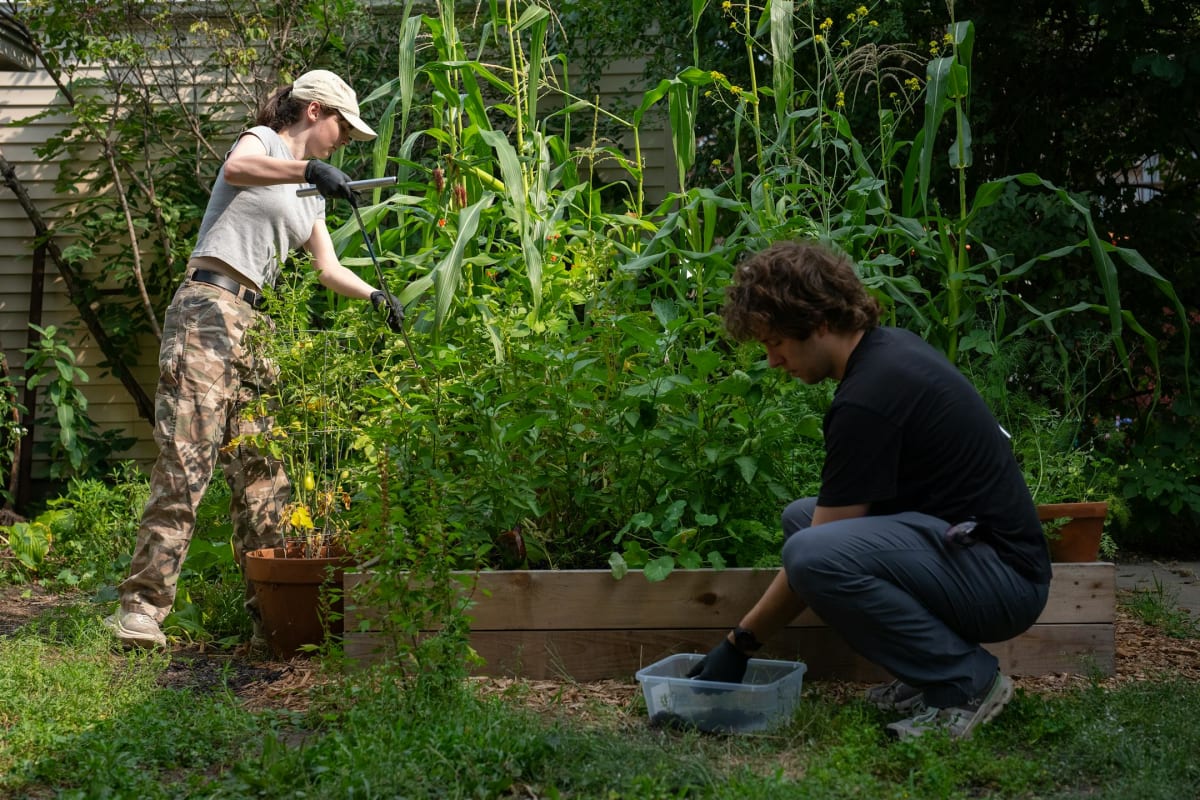
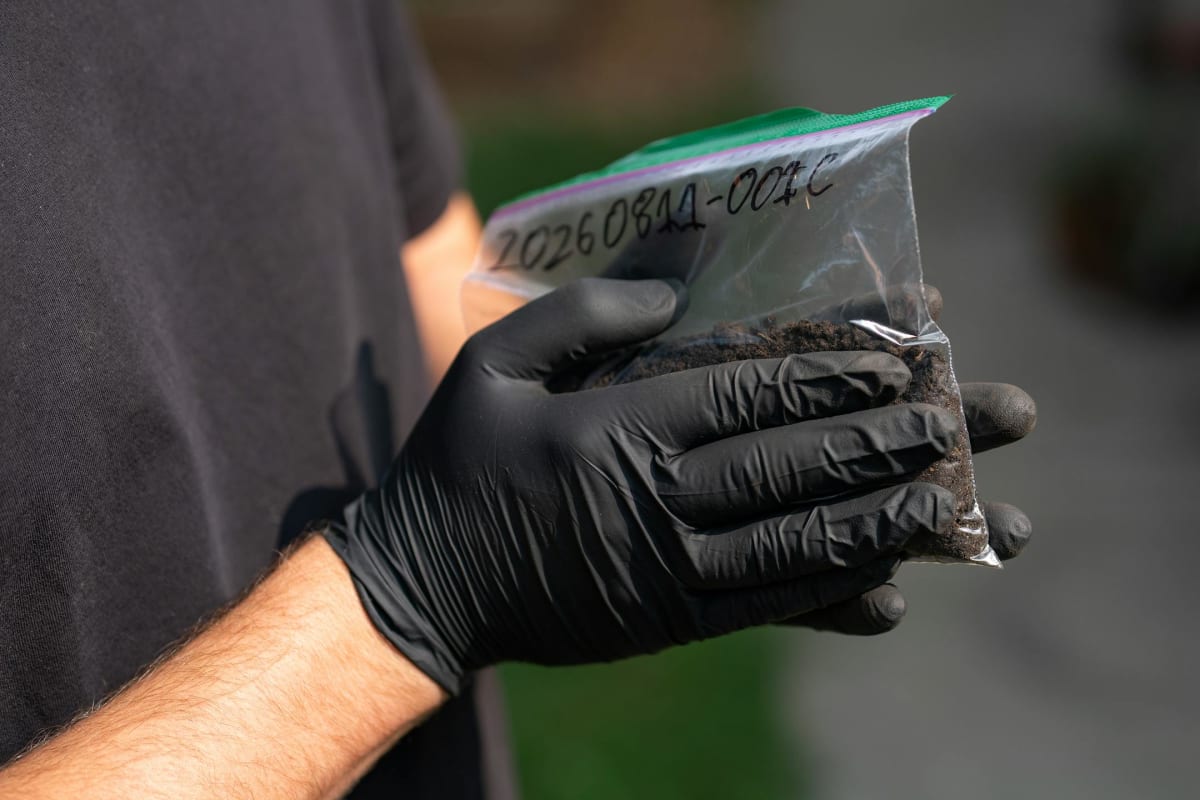
Geography student Lars Lidahl pulled soil samples from a south Minneapolis garden in August, part of a team testing 72 yards across the city. The early findings surprised even the researchers: some samples showed lead levels of 1,300 parts per million, compared to Minnesota's natural soil average of just 16 to 17 parts per million.
The project started when Professor Rebecca Walker smelled tear gas drifting to her home during Operation Metro Surge, the federal immigration enforcement operation that brought thousands of agents to the Twin Cities. Many confrontations between protesters and agents ended with officers firing chemical weapons that turned snow bright orange and green in parks and along sidewalks.
Walker and environmental researcher Lea Pollack created an online form where worried residents could volunteer their gardens for testing. Families wanted answers about whether their tomatoes and lettuce were safe to eat after those winter confrontations.
Students collected dirt from yards and snow samples near sites where tear gas was heavily used, including locations near where Renee Good and Alex Pretti were fatally shot by federal agents. They've already confirmed elevated levels of lead and chromium in the snow, and soil analysis is ongoing.
The Ripple Effect
What began as a few concerned neighbors has grown into a collaboration between students, professors, researchers and neighborhood nonprofits. The team is now preparing to share detailed results with each participating household about exactly what metals were found in their yards.
While some heavy metals naturally exist in urban gardens, the research will help identify whether tear gas sites created dangerous spikes in contamination. More importantly, it will give families clear guidance on how to keep their gardens safe.
Walker sees the project as a way to replace fear with knowledge. "People just have a lot of questions," she said. "I think it inspired a lot of fear. For a lot of people who experienced the brunt of the tear gas this winter, it felt like the whole point was fear."
By next week, the testing will be complete, and every participating household will receive their results along with recommendations for safe gardening practices.
The students aren't just collecting data. They're giving their neighbors the power to make informed decisions about growing food for their families.
More Images


Based on reporting by Google News - Researchers Find
This story was written by BrightWire based on verified news reports.
Spread the positivity!
Share this good news with someone who needs it