U of Minnesota Team Helps 200 After Church Shooting
When 18 people were wounded in a Minneapolis church shooting, University of Minnesota volunteers provided mental health support to 200 grieving community members over 10 days. Their response earned them the city's Community Hero Award.
After a gunman opened fire at Annunciation Catholic Church in Minneapolis last August, killing two children and wounding 18 others, a team of University of Minnesota volunteers rushed to help a community in shock.
The university's Medical Reserve Corps deployed 27 members to two support centers within hours of the tragedy. Over the next 10 days, they provided mental health care to around 200 people struggling to process the horror.
At the Family Assistance Center, therapists met one-on-one with parents while trained volunteers engaged children with activities. They gave families written resources explaining what to expect in the coming weeks and how to support traumatized kids through recovery.
The Neighborhood Assistance Center served residents who weren't directly connected to the church but still needed help processing what happened in their community. MRC members simply offered a calm, steady presence during an unimaginable time.
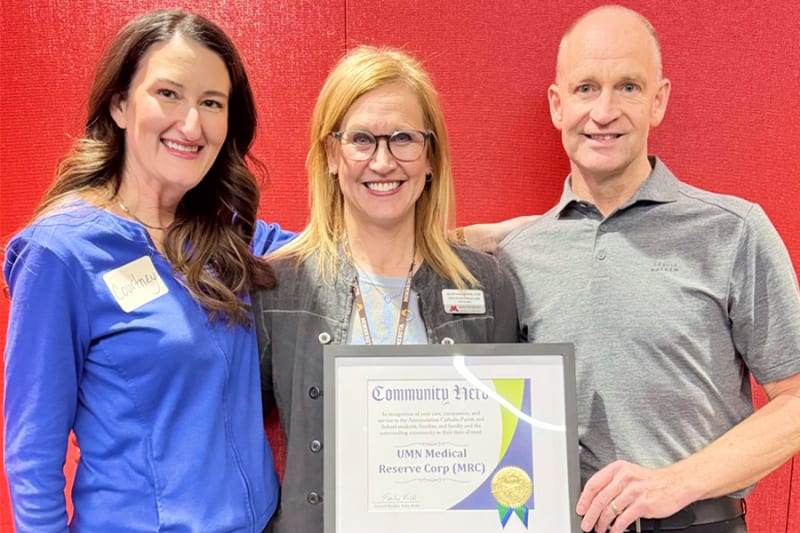
The Minneapolis City Council recognized the team's compassion and care with its Community Hero Award. The honor celebrates the group's service to the parish, school families, faculty, and surrounding neighborhood.
The Ripple Effect
What makes this team unique goes beyond their immediate response. The University's Medical Reserve Corps is one of only a handful of academic-based disaster response teams in the country, meaning volunteers bring the latest research on trauma care directly to communities in crisis.
"Disaster mental health best practices are very different from day-to-day approaches," explains Courtney Wetternach, who manages the program and teaches at the School of Public Health. Faculty members who lead deployments are experts in how people process trauma after sudden violence or natural disasters.
The academic connection creates a virtuous cycle of learning. Students gain real-world experience helping communities heal while professors document what works best and share those lessons at national conferences. Those insights then help other communities prepare for their own emergencies.
Professor Tai Mendenhall, who co-leads the disaster behavioral health program, sees the work as central to the university's mission. The team walks alongside communities not just in immediate crisis but throughout their "complex journeys in recovery, healing and growth."
The program continues training health sciences students, staff, and faculty to respond when the next emergency strikes, turning academic knowledge into compassionate action when communities need it most.
More Images
Based on reporting by Google News - Community Hero
This story was written by BrightWire based on verified news reports.
Spread the positivity!
Share this good news with someone who needs it