UAE and Saudi Arabia Pledge $2B for Global Water Access
Two Gulf nations are tackling the world's water crisis with billions in funding and innovative solutions that could bring clean water to millions. The UAE and Saudi Arabia are transforming water security from a regional concern into a global mission.
While 2.2 billion people worldwide lack clean drinking water, two Middle Eastern nations are stepping up with real money and proven solutions to help close that gap.
The United Arab Emirates and Saudi Arabia are positioning themselves as global water security leaders ahead of the 2026 UN Water Conference. Their combined efforts include billions in funding, breakthrough technologies, and ambitious infrastructure projects already delivering results.
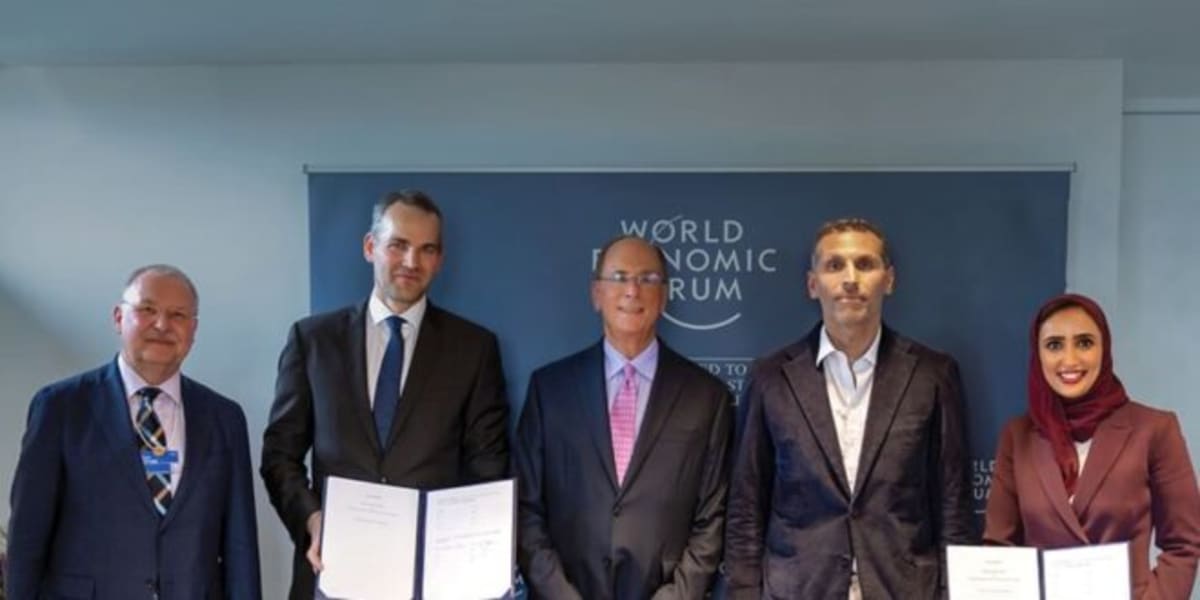
The UAE announced it will co-host the critical UN summit in December 2026 with Senegal, where world governments will review progress on clean water access goals. Abu Dhabi backed its diplomatic role with substance by launching the Abu Dhabi Global Water Platform in January, which aims to mobilize $2 billion in blended finance for water projects worldwide.
The money is already flowing to people who need it most. The UAE constructed a 7.5-kilometer water pipeline into Gaza that now produces 2 million gallons daily, serving over one million people. In Chad, UAE-funded water wells provide clean water to roughly 65,000 Sudanese refugees.
At COP28, the UAE pledged $150 million specifically to address water scarcity, then launched a $60 million Clean Rivers program targeting water challenges in Indonesia, the Philippines, and Brazil. These aren't just promises on paper. Since 2015, the UAE's Suqia initiative has delivered clean water to 15 million people across 37 countries through more than 1,000 sustainable projects.
Saudi Arabia is matching this ambition with its own global vision. Crown Prince Mohammed bin Salman announced the creation of the Global Water Organization, headquartered in Riyadh, designed to unify international efforts against water scarcity. The Kingdom will host the 11th World Water Forum in March 2027, the world's largest gathering focused on water solutions.
Recent UAE financing includes a $102 million loan for Tajikistan's Rogun Hydroelectric Power Station, which will store one billion cubic meters of water for power, irrigation, and drinking supply. Another project aims to provide potable water to 500,000 people in Mauritania by 2050.
The Ripple Effect
These investments represent more than infrastructure spending. They signal a fundamental shift in how water security connects to climate action, food systems, and regional stability. When communities gain reliable access to clean water, health improves, children attend school more consistently, and economic opportunities expand.
The Mohamed bin Zayed Water Initiative is advancing breakthrough technologies through innovation competitions focused on water efficiency, reuse, and desalination. The UAE recently deployed 14 mobile desalination units to Cyprus, providing 15,000 cubic meters of water daily to ease acute shortages.
Both nations bring unique advantages to this challenge: decades of desalination expertise, financial resources, and diplomatic platforms to mobilize global action. Their efforts could help millions gain access to something many take for granted but billions desperately need.
As the 2026 UN Water Conference approaches, the Gulf's water diplomacy offers a blueprint for turning strategic investment into tangible human progress.
Based on reporting by Regional: saudi arabia development (SA)
This story was written by BrightWire based on verified news reports.
Spread the positivity!
Share this good news with someone who needs it