UAE Triples Green Energy, Cuts 15M Tonnes of Emissions
The United Arab Emirates has grown its renewable energy capacity to over 7.7 gigawatts and saved $2 billion while slashing nearly 15 million tonnes of carbon emissions in just five years. As the nation celebrates its 29th National Environment Day, breakthrough projects from coral gardens to hydrogen-from-waste plants show how desert innovation is becoming a global climate solution.
The United Arab Emirates just proved that ambitious climate goals and economic prosperity can grow side by side.
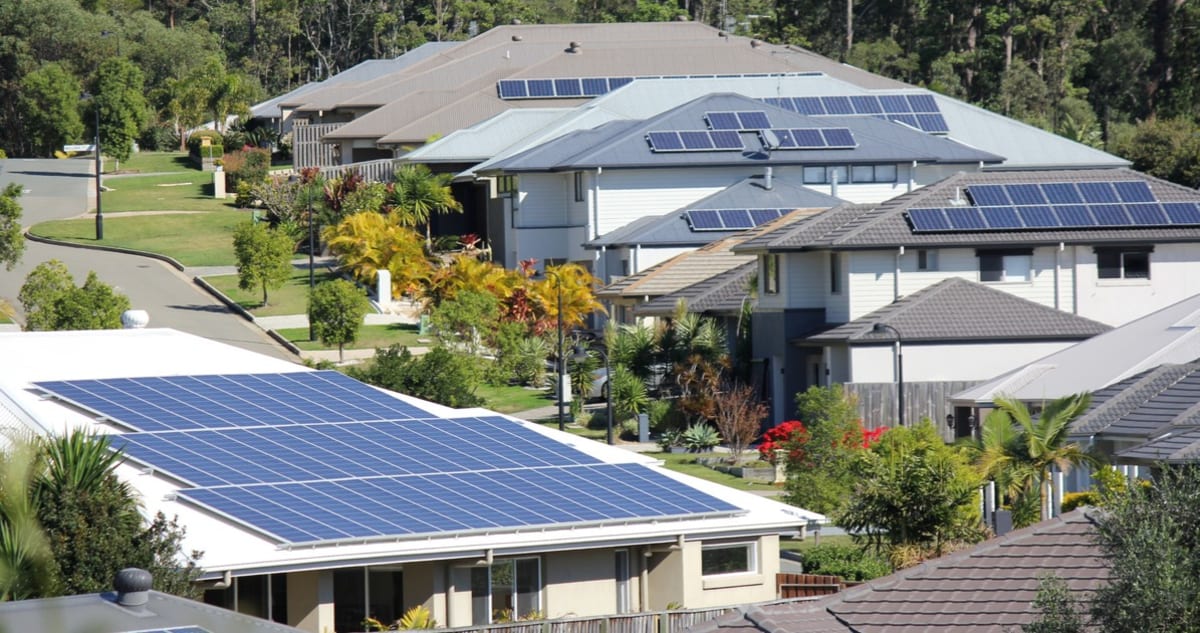
As the country marks its 29th National Environment Day, officials announced renewable energy capacity has surpassed 7.7 gigawatts and is projected to triple to 23 gigawatts by 2031. Even more impressive: efficiency improvements have eliminated 14.8 million tonnes of carbon emissions while saving more than $2 billion over the past five years.
The numbers tell only part of the story. Across the Emirates, scientists and engineers are pioneering solutions the world has never seen before.
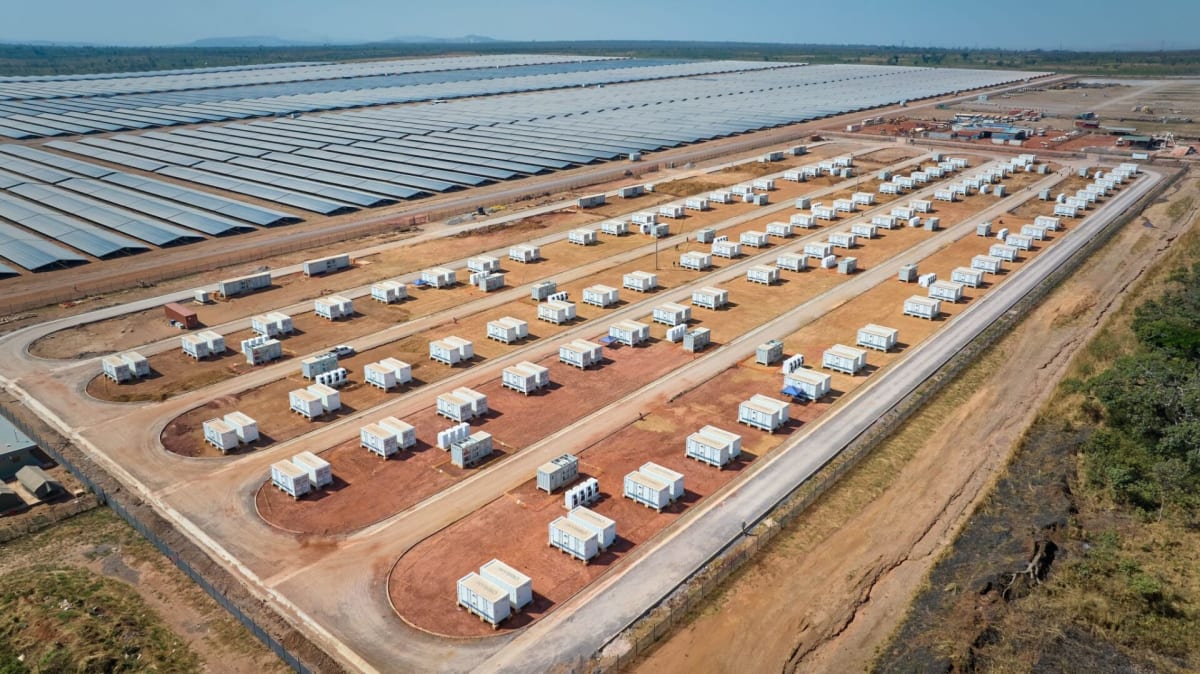
Abu Dhabi recently launched the world's first "round the clock" gigascale solar and battery storage project, ensuring renewable energy flows even after sunset. In Sharjah, BEEAH is building the Middle East's first commercial-scale Hydrogen-from-Waste plant, set to produce 7 tonnes daily by 2027.
The ocean is getting attention too. The Environment Agency Abu Dhabi achieved a stunning milestone when its Sustainable Fisheries Index jumped from just 8 percent in 2018 to 100 percent by the end of 2025.
Now the agency is installing 40,000 artificial reef modules across 1,200 square kilometers of coastal waters. These specially designed structures will host live coral fragments from local nurseries, creating underwater gardens that support marine biodiversity for generations.
On land, innovation is sprouting in unexpected places. The MENA region's first agricultural photovoltaic project at Al Foah Farm in Al Ain combines solar panels with sustainable farming, proving that food production and clean energy can share the same space.
Wildlife protection efforts are expanding beyond borders too. A new partnership between the Mohamed bin Zayed Species Conservation Fund and Mubadala will protect dugongs and seagrass habitats across five nations over the next two years.
The Ripple Effect
These achievements flow from a comprehensive policy framework including the UAE Net Zero by 2050 Strategy and the National Climate Change Plan. By updating laws on agricultural quarantine, endangered species protection, and plant biodiversity, the government has created legal foundations that turn environmental commitments into enforceable action.
The UAE's approach offers a blueprint for resource-rich nations worldwide. Instead of viewing environmental protection as a cost, the Emirates treats it as an investment that pays dividends in financial savings, technological leadership, and international reputation.
From coral nurseries to hydrogen plants, the country is demonstrating that desert nations can become renewable energy powerhouses. Each gigawatt of clean energy and tonne of avoided emissions proves that geography doesn't determine destiny.
When the sun rises on National Environment Day, it will illuminate solar panels, artificial reefs, and protected habitats built by a nation racing toward a cleaner future.
More Images



Based on reporting by Google News - Uae Innovation
This story was written by BrightWire based on verified news reports.
Spread the positivity!
Share this good news with someone who needs it