UBC Creates First Skin Cream That Edits Your Genes
Scientists have developed a topical treatment that corrects disease-causing genetic mutations directly in the skin, offering hope for a lasting cure to conditions previously managed for life. The breakthrough could transform treatment for rare disorders and common conditions like eczema.
For the first time, doctors may be able to cure genetic skin diseases with a cream applied directly to your skin.
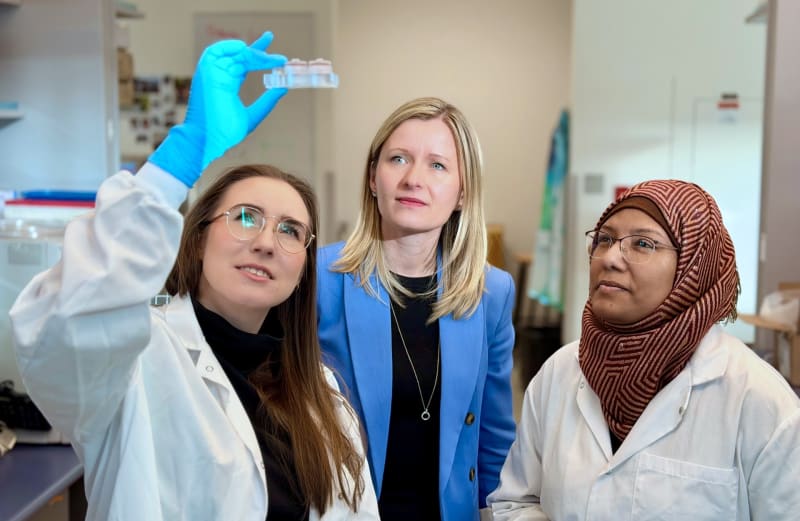
Researchers at the University of British Columbia have created the world's first gene-editing therapy that works topically. Published today in Cell Stem Cell, the breakthrough uses CRISPR technology to fix faulty genes right where the problem exists.
The treatment targets autosomal recessive congenital ichthyosis, a rare disorder affecting one in 100,000 people. Babies born with this condition face a lifetime of extremely dry, scaly skin, chronic inflammation, and constant infection risk.
Until now, patients could only manage symptoms. This new approach corrects the root genetic cause.
Dr. Sarah Hedtrich, the study's lead researcher and associate professor at UBC's school of biomedical engineering, calls it a potential game changer. "Our data suggests that a one-time treatment might even be enough to provide a lasting and durable cure," she said.
The therapy restored up to 30 percent of normal skin function in human skin models. Previous research shows this level could return skin to normal functioning for patients.
Getting gene-editing technology through the skin's protective barrier has stumped scientists for years. The UBC team solved this puzzle using lipid nanoparticles, the same microscopic fat bubbles that made COVID-19 vaccines possible.
First, doctors use a pain-free laser to create tiny openings in the outer skin layers. Then the nanoparticles carry the gene editor through these openings to reach skin stem cells below the surface.
Once inside, the editor corrects the DNA mutation. The skin begins functioning normally again.
The treatment stays localized in the skin with no off-target effects, meeting a critical safety milestone. The team worked closely with NanoVation Therapeutics, a Vancouver biotech company, to develop the delivery method.
Why This Inspires
This isn't just about one rare disease. Dr. Hedtrich describes their work as "a platform technology" that can be adapted to treat almost any genetic skin condition.
The same approach could help people with epidermolysis bullosa, a severe blistering disorder often called butterfly skin. It might even work for common conditions affecting millions, like eczema and psoriasis.
For patients with rare genetic skin disorders, this research represents something they've never had before: real hope for a cure. These conditions aren't just physically painful but deeply isolating and stigmatizing.
The team is already working with regulatory authorities to design the necessary safety and efficacy studies for human trials. Their goal is to move from lab to clinic as quickly as possible.
What makes this breakthrough especially exciting is how it builds on existing approved technologies. The laser technique is already clinically approved, and lipid nanoparticles have proven safe in millions of vaccine doses worldwide.
The researchers hope to begin first-in-human clinical trials soon, bringing this treatment to patients who currently have no therapeutic options beyond lifelong symptom management.
Based on reporting by Google News - Disease Cure
This story was written by BrightWire based on verified news reports.
Spread the positivity!
Share this good news with someone who needs it