UC Davis Cracks the Code on Pistachio Hull Protection
Scientists have discovered how to prevent pistachio hulls from splitting open before harvest, protecting California's $2 billion industry from devastating losses. The breakthrough could save farmers millions while keeping nuts safer for consumers.
California pistachio farmers are about to get some very good news from UC Davis scientists who just solved a puzzle that's been costing them millions of dollars.
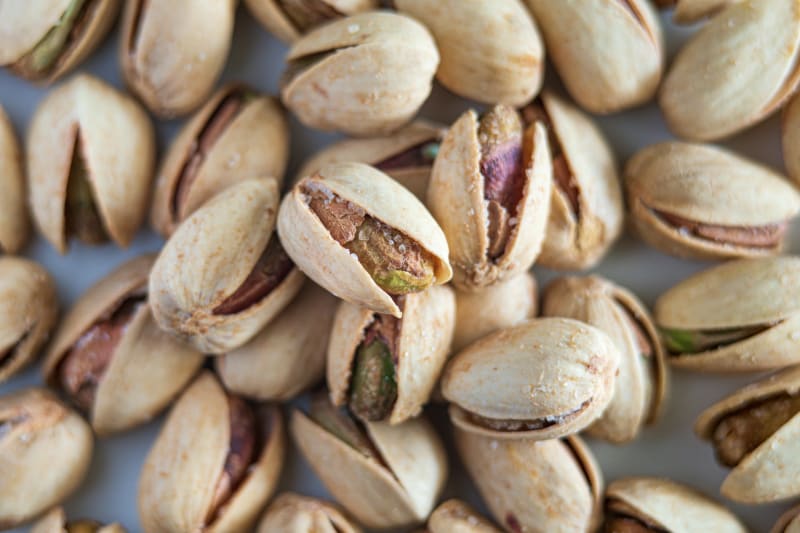
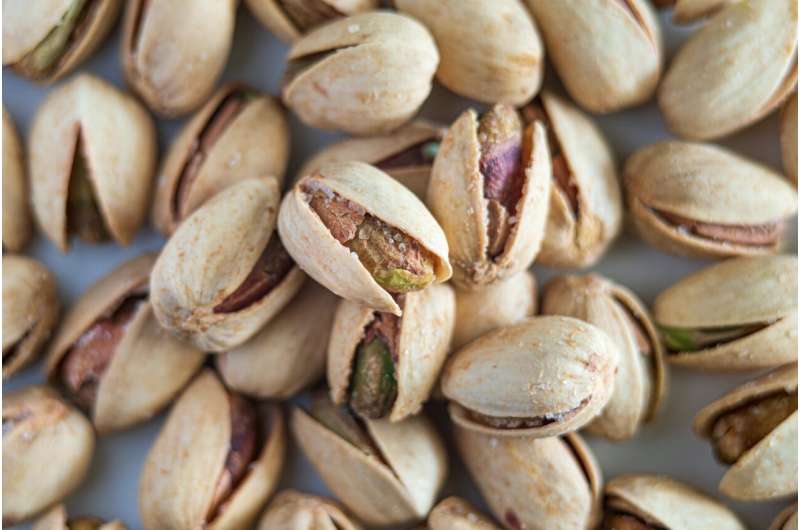
When pistachio hulls split open before harvest, insects and fungi sneak inside and ruin the nuts. While only 4% of crops typically suffer this fate, some varieties lose up to 40% of their harvest under certain conditions. That's a lot of wasted pistachios and lost income for farming families.
For the first time ever, researchers at UC Davis figured out exactly why hulls split and how to stop it. Recent Ph.D. graduate Shuxiao "Susan" Zhang discovered the genes that control how pistachio hulls break down as the fruit ripens.
The culprit? A substance called pectin that lives in cell walls. Think of pectin as the glue holding hull cells together. As pistachios ripen, the pectin changes and cells become unhitched from each other, causing cracks and tears that let pests inside.
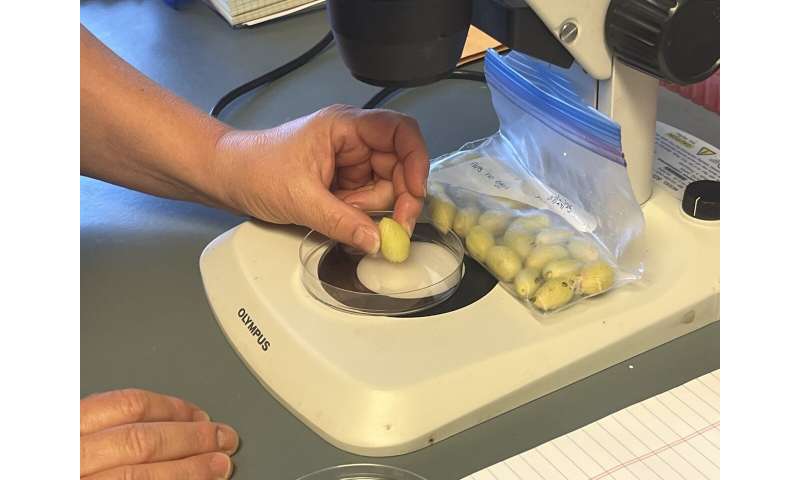
Zhang spent three years studying pistachio trees in commercial orchards near Fresno and at UC Davis experimental farms. She examined the most popular varieties grown in California, including Kerman, Golden Hills and Lost Hills, taking samples at different stages of development over several months.
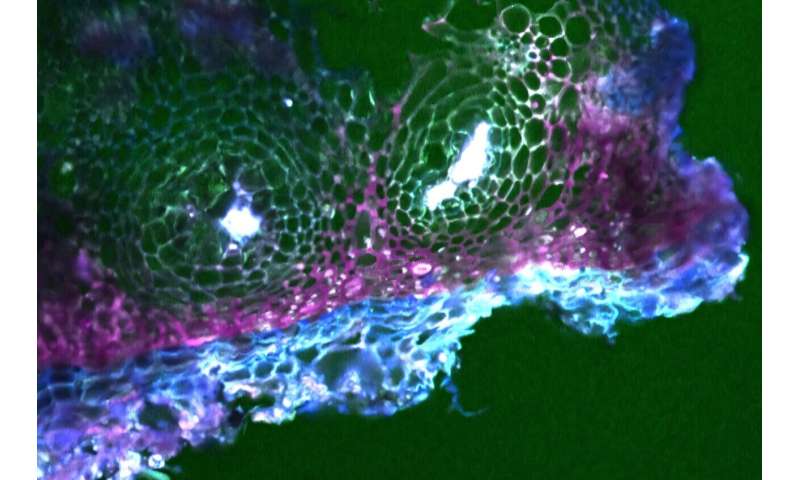
Using special microscopes and imaging techniques, Zhang discovered something fascinating. Cells in the inner layer of the hull expand as the fruit grows, while cells on the outer layer stay the same size. Combined with pectin changes, this uneven growth creates tension that eventually tears the hull apart.
Professor Georgia Drakakaki, who led the research team, emphasized the groundbreaking nature of the work. This marked the first time anyone studied pistachio hulls at both the cellular level and the genetic level simultaneously, revealing exactly which genes turn on and off as hulls develop and break down.
The research built on earlier work by UC Davis colleagues Grey Monroe and Barbara Blanco-Ulate, who mapped the complete genome of the Kerman pistachio variety and defined each stage of nut growth.
The Ripple Effect
This discovery gives plant breeders the knowledge they need to select pistachio varieties with stronger hulls that resist splitting. Farmers will lose fewer nuts to pests and contamination, which means more income for their families and safer products for consumers.
The research also creates a model that scientists can use to understand fruit splitting in other crops, potentially helping growers of tomatoes, cherries and other vulnerable fruits protect their harvests too.
Zhang's findings were published in the Journal of Experimental Botany, giving scientists worldwide access to this breakthrough. The pistachio industry can now move forward with concrete solutions instead of just watching profits disappear through cracked hulls.
California produces most of America's pistachios, and this research ensures the industry stays strong for generations of farming families to come.
More Images
Based on reporting by Phys.org
This story was written by BrightWire based on verified news reports.
Spread the positivity!
Share this good news with someone who needs it