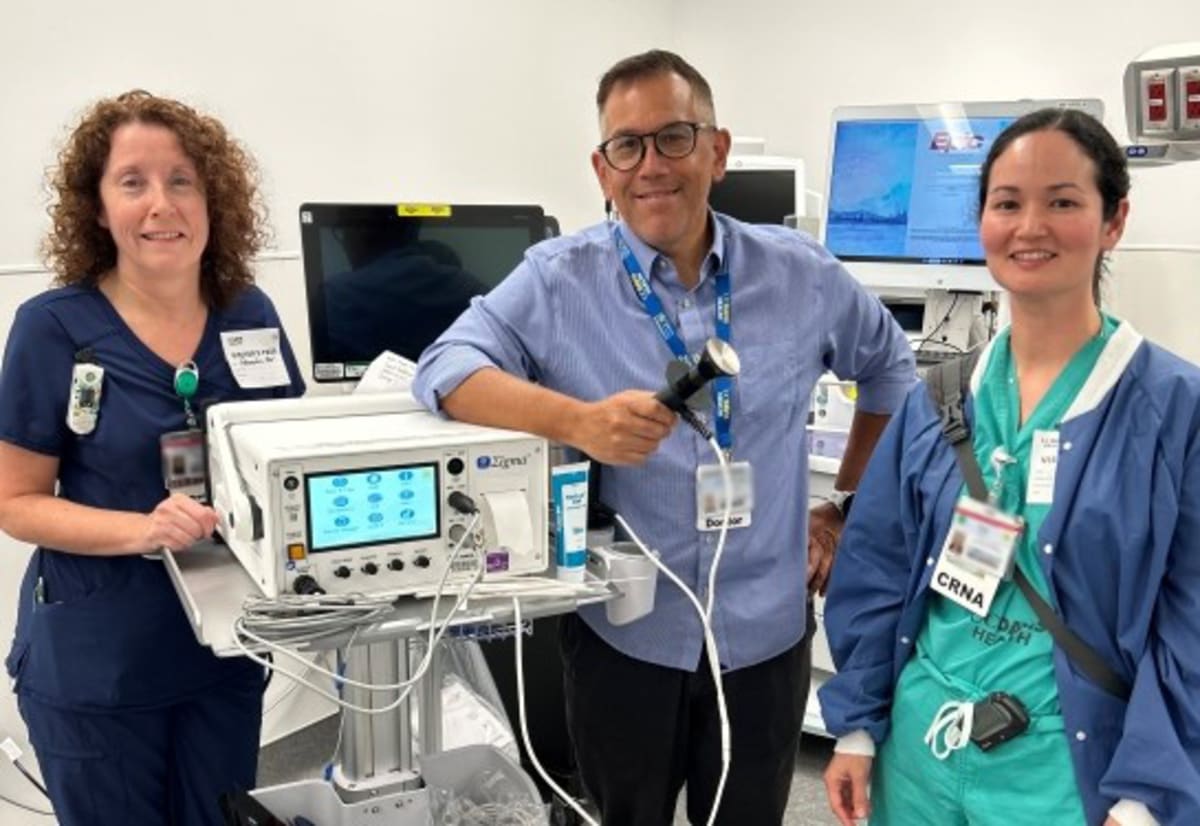
UC Davis Opens ECT Clinic for Severe Depression
UC Davis Health just launched a new clinic offering electroconvulsive therapy, giving people with treatment-resistant depression and severe mental illness access to a proven treatment that can restore quality of life. The Sacramento facility aims to reduce stigma while expanding care options for conditions that haven't improved with standard medications.
Thousands of people with severe depression have tried medication after medication without relief, but UC Davis Health just opened a clinic that offers new hope.
The hospital's new electroconvulsive therapy (ECT) clinic in Sacramento provides treatment for people with treatment-resistant depression, bipolar disorder, schizophrenia, and other serious mental illnesses that haven't improved with other therapies. For many patients, ECT can offer meaningful symptom relief when nothing else has worked.
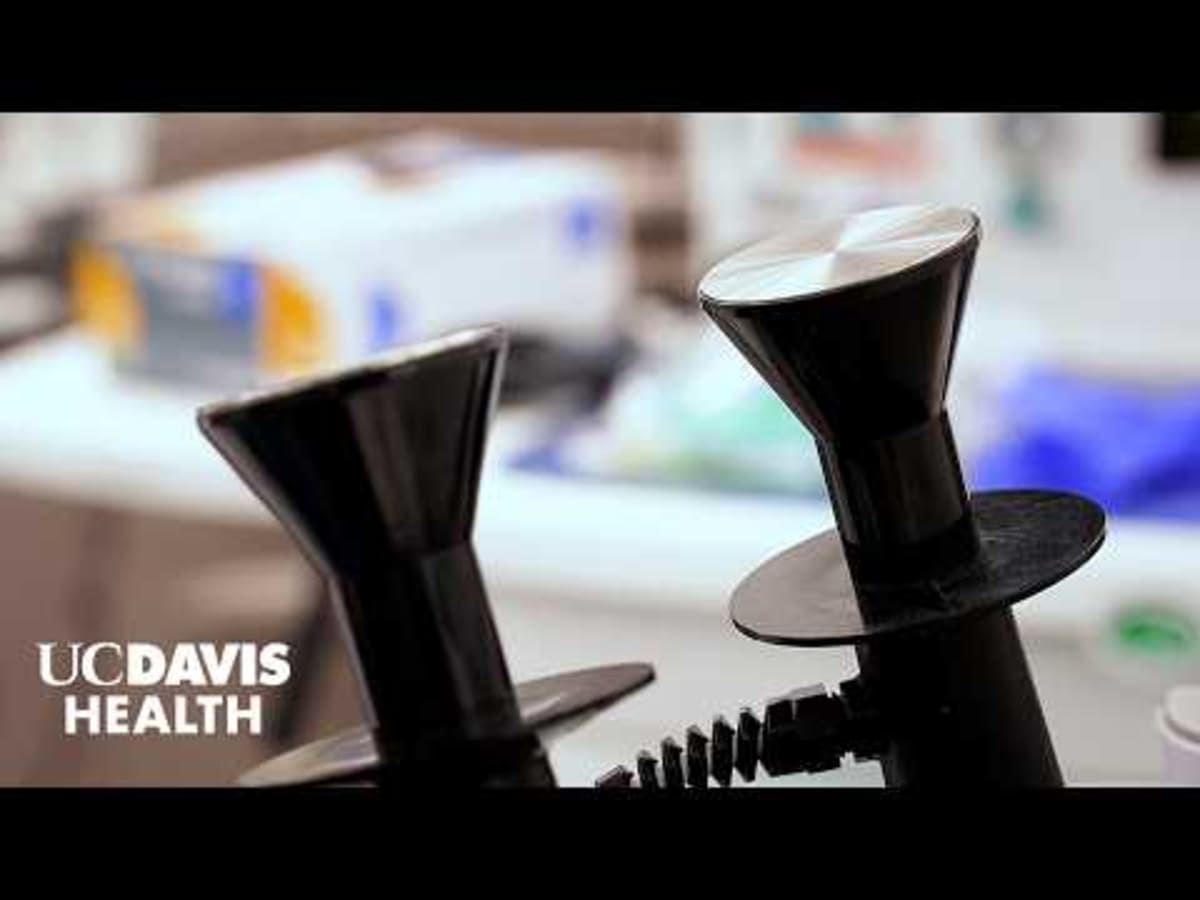
Dr. John Onate, the clinic's medical director, wants to clear up common misunderstandings about the treatment. During ECT, patients receive a brief, controlled electrical stimulus to the brain while under anesthesia. The entire procedure takes only a few minutes, and the amount of electricity used is small, equivalent to briefly turning on a small flashlight.
"ECT is very safe," Onate explains. "For some individuals who have not improved with other therapies, ECT can offer meaningful symptom relief and restore quality of life."
Patients typically receive treatments two to three times per week, with most completing between nine and 15 sessions. A multidisciplinary team carefully monitors each patient before, during, and after treatment.
The new clinic is part of a broader push by UC Davis to expand advanced psychiatric care. The Department of Psychiatry and Behavioral Sciences also operates an Advanced Psychiatric Therapeutics Clinic that offers transcranial magnetic stimulation and esketamine therapy for difficult-to-treat conditions.
The Ripple Effect
The clinic serves the greater Sacramento region, bringing life-changing treatment closer to home for families who have watched loved ones struggle despite years of conventional therapy. By offering ECT at an academic medical center with expertise across multiple specialties, UC Davis can provide comprehensive care that addresses both mental and physical health needs.
Research has shown ECT effectively treats severe treatment-resistant depression, bipolar disorder, catatonia that hasn't responded to other treatments, and treatment-resistant schizophrenia. The therapy has been used safely for decades, though stigma and misconceptions have limited access for many who could benefit.
Helen Kales, chair of the Department of Psychiatry and Behavioral Sciences, emphasizes the importance of evidence-based options. "We want patients to know that if multiple antidepressants and other medications have not helped, other treatments are available," she says.
The clinic accepts referrals for adults 18 and older with serious psychiatric conditions who haven't found relief through standard treatments. For people who have felt stuck in cycles of depression and hopelessness, knowing that effective alternatives exist can make all the difference.
More Images
Based on reporting by Google News - New Treatment
This story was written by BrightWire based on verified news reports.
Spread the positivity!
Share this good news with someone who needs it