UC Irvine Scientists Reverse Vision Loss in Aging Mice
Researchers discovered a simple fatty acid injection that restores vision in older mice by targeting an aging gene. The breakthrough could help millions facing age-related vision loss and macular degeneration.
Scientists just found a way to turn back the clock on aging eyes, and it could change how we treat vision loss in older adults.
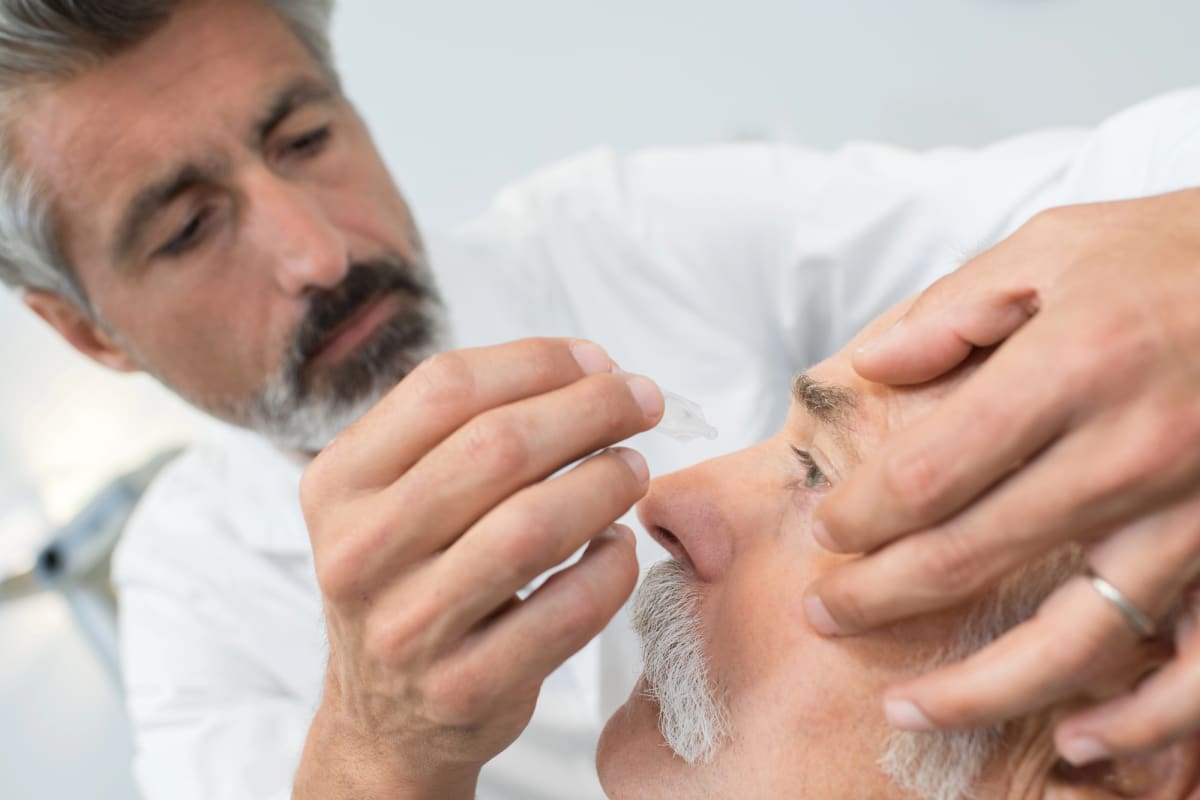
Researchers at UC Irvine discovered that injecting a specific fatty acid into the eyes of older mice reversed age-related vision decline. The treatment worked at the cellular level, actually reversing signs of aging in the retina.
"We show the potential for reversing age-related vision loss," says Dr. Dorota Skowronska-Krawczyk, associate professor at UC Irvine. Her team published their findings in Science Translational Medicine after collaborating with scientists from Poland and Germany.
The breakthrough centers on ELOVL2, a gene that's widely recognized as a marker of aging. As we get older, this gene becomes less active, reducing crucial fatty acids in our retinas. That's when vision starts to fade and the risk of age-related macular degeneration increases.
Previous research showed that boosting ELOVL2 activity improved vision in older mice. But this new study found a simpler approach: skip the gene manipulation and just supply the right fatty acid directly.
The team tested their theory by injecting older mice with a very-long-chain polyunsaturated fatty acid. Visual performance improved significantly. But here's the twist: it wasn't the omega-3 fatty acid DHA that everyone talks about for eye health.
"What is important is that we didn't see the same effect with DHA," Skowronska-Krawczyk explains. "Our work really confirms the fact that DHA alone cannot do the work, but we have this other fatty acid that is seemingly working and improving vision in aged animals."
The discovery goes beyond just improving eyesight. The treatment actually reversed aging features at the molecular level, suggesting it could help prevent serious conditions like macular degeneration before they start.
The research team also identified genetic variants in ELOVL2 that predict faster AMD progression. This means doctors could potentially identify people at higher risk and intervene early with targeted treatments.
Why This Inspires
This research offers real hope for the millions of people who struggle to read menus in dim restaurants or need their phone's flashlight to see clearly. Age-related vision loss affects nearly everyone over 60 to some degree, making everyday tasks frustrating and limiting independence.
But the implications stretch even further than eyesight. Skowronska-Krawczyk's team is already studying how the same lipid therapy might reverse aging in the immune system. Early findings suggest the treatment could counteract age-related changes in immune cells and may even play a role in blood cancers.
"Our first study explored a potential therapy to address vision loss," she says, "but with the information we've since learned about immune aging, we are hopeful the supplementation therapy will boost the immune system as well."
The research transforms ELOVL2 from just an aging marker into a genuine target for anti-aging treatments. Skowronska-Krawczyk is convinced it's one of the top aging genes scientists should focus on for developing therapies.
The next step is moving from mice to human trials, bringing us closer to a world where aging eyes don't have to mean failing vision.
Based on reporting by Science Daily
This story was written by BrightWire based on verified news reports.
Spread the positivity!
Share this good news with someone who needs it