UCF Researcher Gets $747K to Fight Diabetic Nerve Pain
A University of Central Florida scientist just received nearly three-quarters of a million dollars to develop a treatment for diabetic neuropathy that doesn't rely on addictive painkillers. His fresh approach targets the root cause instead of just masking symptoms.
For millions living with Type 1 diabetes, chronic nerve pain in their hands and feet isn't just uncomfortable. It can lead to unnoticed injuries, infections, and even amputations.
Dr. Jim Nichols at the University of Central Florida just received a $747,000 grant from the National Institutes of Health to change that reality. His research takes a completely different approach than existing treatments.
Instead of prescribing opioids or antidepressants that only mask pain, Dr. Nichols is investigating how insulin problems affect nerve signaling throughout the body. He believes the key lies in understanding how the brain processes sensation when insulin regulation goes wrong.
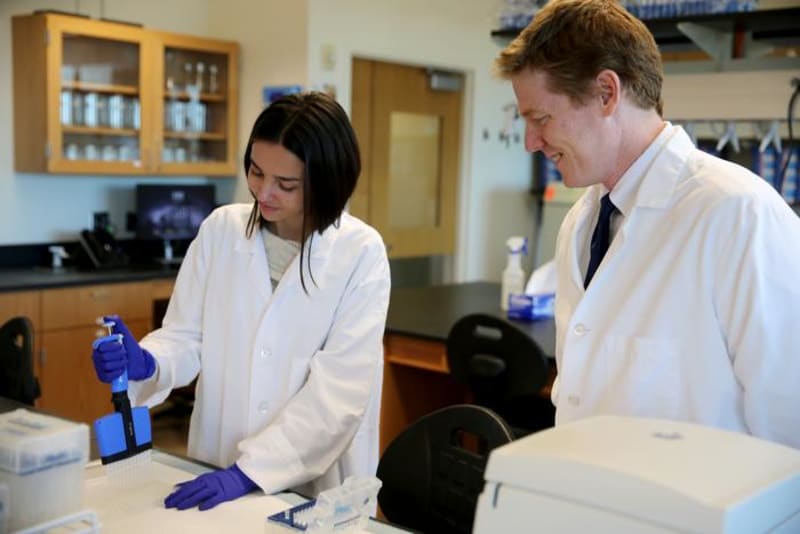
"We're diving into an area that's fresh," Dr. Nichols explained. His team will spend the next three years studying how neurons behave and finding ways to prevent nerve degeneration at its source.
The stakes are deeply personal for many on his research team. Graduate student Chisom Akaniru lost her mother to diabetic complications, and her father now shows signs of the same nerve damage they're trying to prevent.
"My mom was diabetic and she died from complications with it," Akaniru shared. "It could go a long way to have something that could really help neuropathic pain better."
Dr. Nichols brings impressive credentials to this challenge. He spent five years at MD Anderson Cancer Center exploring pain mechanisms before joining UCF in 2025, and his early findings showed enough promise to earn this substantial federal funding.
The research addresses a critical gap in diabetes care. Current pain treatments often fall short for neuropathy patients, leaving many to suffer without effective relief or turn to medications with serious side effects.
The Ripple Effect
This research could transform life for the estimated 50% of diabetes patients who develop neuropathy. Better nerve health means fewer emergency room visits, fewer amputations, and more people able to work and enjoy daily activities without debilitating pain.
Lab manager Hollie Hayes sees the bigger picture clearly. "My focus is, 'How can I help advance the science and help as many people as possible?'" she said.
Dr. Nichols encourages his students to embrace the messy process of discovery. "We fail fast and we fail safe here," he tells them, creating an environment where bold ideas can flourish without fear.
The three-year study will document exactly how neurons and surrounding cells behave in diabetic patients, opening doors to treatments that work with the body's natural systems rather than against them.
More Images
Based on reporting by Google News - New Treatment
This story was written by BrightWire based on verified news reports.
Spread the positivity!
Share this good news with someone who needs it